
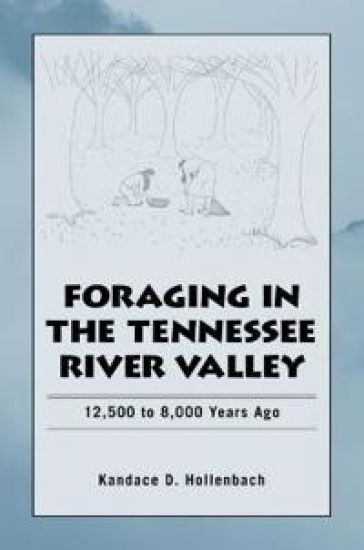
Foraging in the Tennessee River Valley, 12,500 to 8,000 Years Ago – hinnat ja saatavuus
Kirjafiili on kirjojen hintavertailu. Löydä halvin hinta 27 kirjakaupasta. Hintavertailu koskee ISBN-tunnusta 9780817355227 (nidottu).
Kirjan kuvaus
Plants are inarguably a significant component of the diets of foraging peoples in non-arctic environments. As such, the decisions and activities associated with the gathering and exploitation of plants are important to foragers'… Näytä koko kuvaus Piilota kuvaus
Plants are inarguably a significant component of the diets of foraging peoples in non-arctic environments. As such, the decisions and activities associated with the gathering and exploitation of plants are important to foragers' subsistence pursuits. Plant remains are particularly important for understanding gathering activities. In - as much as plant foods comprised a considerable portion of early foragers' diets, and the gathering and processing of these plant resources occupied a significant proportion of the population, namely women, children, and the elderly, an understanding of gathering activities and how they relate to use of the landscape is critical. Organic remains are poorly preserved in the acidic soils of the Southeast and are often limited or absent from open-air sites, but archaeological deposits protected within rockshelters provide an exception. Organic remains are consistently well preserved in their rain-protected deposits, and rockshelters are locations that groups repeatedly visited. Because of this repeated use and remarkable preservation, significant quantities of well-preserved faunal and botanical remains can be recovered from rockshelter deposits. In ""Foraging"", Hollenbach analyzes and compares botanical remains from archaeological excavations in four rockshelters in the Middle Tennessee River Valley. The artifact assemblages of rockshelter and open-air sites are similar, so it is reasonable to assume that faunal and botanical assemblages would be similar, if open-air sites had comparable preservation of organic remains. The rich organic data recovered from rockshelters therefore may be considered representative of general subsistence and settlement strategies, and can significantly inform our views of lifeways of Late Paleoindian and Early Archaic peoples. The data produced from this analysis provides a valuable baseline of plant food use by early foragers in the region, and establishes a model of Late Paleoindian and Early Archaic lifeways in the Southeast.
Kirjan tiedot
Vertaa kirjan ”Foraging in the Tennessee River Valley, 12,500 to 8,000 Years Ago” hintoja
Vertaa tuotteen hintaa ja arvioitua kokonaishintaa toimitettuna. Kaikki hinnat koskevat ISBN-tunnusta 9780817355227.
Hintoja ei päivitetty automaattisesti. Voit hakea ajantasaiset hinnat painamalla Hae hinnat.

Booky

Suomalainen

Kansallinen Kirjakauppa

Prisma

Finlandia Kirja

Fantasiapelit

Vinhan kirjakauppa

CDON

Kustantamo S&S

Kennys.ie

Kristillinenkirjakauppa.fi

Sacrum

Adlibris

BookOutlet.fi

Kirja.fi

Rosebud
Tälle kirjalle ei ole tällä hetkellä vahvistettua hintaa. Tarkista tilanne myöhemmin uudelleen.
Hintoja ei ole vielä päivitetty.
Hälytys tallennettu!
Ilmoitamme, kun hinta laskee.
Saat sähköpostin, kun hinta laskee asettamaasi rajaan tai sen alle.
Foraging in the Tennessee River Valley, 12,500 to 8,000 Years Ago – hintahistoria
Seuraamme kirjan Foraging in the Tennessee River Valley, 12,500 to 8,000 Years Ago hintakehitystä kirjakaupoissa. Taulukosta näet viime kuukausien alimmat hinnat.
Alin hinta kauppoittain
Kunkin kaupan alin hinta viimeisten 90 päivän aikana.
Hintahistoriaa ei ole vielä kerätty tälle kirjalle.
Hinnat ilman toimituskuluja.