Kirjojen hintavertailu – 12 859 818 kirjaa ja 27 kauppaa
Kirjailija
A. I. Keller
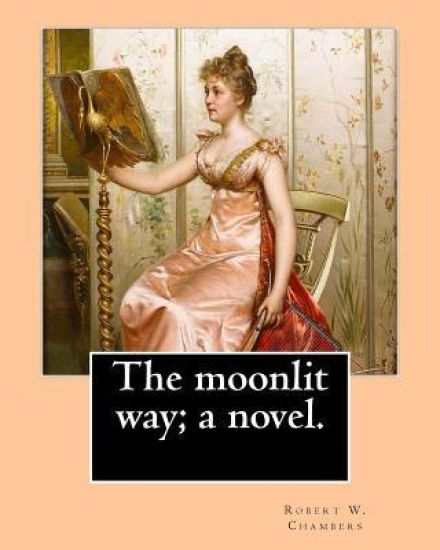
Kirjat ja teokset yhdessä paikassa: 9 kirjaa, julkaisuja vuosilta 2016–2017, suosituimpiin kuuluu The moonlit way; a novel. By: Robert W. Chambers, illustrated By: A. I. Keller: Arthur Ignatius Keller (1866 - 1924). Vertaile teosten hintoja ja tarkista saatavuus suomalaisista kirjakaupoista.
Arthur Ignatius Keller (1866 - 1924). The Artist A. I. Keller was born July 4th, 1866. He was the son of Matilda and Adam Keller, a designer and engraver who recognized and encouraged his son's artistic talent. Arthur's father was his first teacher. By the age of seventeen, he began his formal training at the National Academy of Design in New York, studying under Professor Lemuel Wilmarth. In 1890 Keller traveled to Munich, Germany to study under Ludwig von Loeffiz. After two years of study he returned to the United States. His father had tried to persuade Arthur to remain in Europe to study in France, as the influence of impressionism was gaining in popularity. But Arthur did not wish to experiment with a genre that was so different from the classical styles that he was developing. In a letter dated 1891 Arthur replied to his father, "This I positively know, namely, I hardly would ever think of entering the Art School in Paris. In fact, I'm already thinking of leaving for good to develop that grain of art which I have sowed here." Before leaving Munich, Keller received the Hallgarten Prize, and his painting "At Mass" was purchased by the Academy. Unfortunately, this painting was destroyed during an Allied bombing raid in WW II. Regarding Keller the artist, critic Walter Jack Duncan writes: "Keller, was a born artist. By instinct we recognize this at once. His simplest sketch, every stroke of his brush or pencil, is nervous with artistic energy. One feels it pulsating sturdily through all his multifarious work, through his graceful and sinuous drawings, his exquisite watercolors, his crowded and animated oils. His preliminary sketches especially, so fluent, natural, unaffected, flowing straight out of his facile pencil and confessing all it is possible to know of an artist's talent, prove beyond question that here was a man who was an artist in the full meaning of the word; as the actors used to say, an artist to the fingertips."............. William Dean Howells ( March 1, 1837 - May 11, 1920) was an American realist novelist, literary critic, and playwright, nicknamed "The Dean of American Letters". He was particularly known for his tenure as editor of The Atlantic Monthly, as well as for his own prolific writings, including the Christmas story "Christmas Every Day" and the novels The Rise of Silas Lapham and A Traveler from Altruria. Early life and family: William Dean Howells was born on March 1, 1837 in Martinsville, Ohio (now known as Martins Ferry, Ohio) to William Cooper Howells and Mary Dean Howells, the second of eight children. His father was a newspaper editor and printer who moved frequently around Ohio. In 1840, the family settled in Hamilton, Ohio, where his father oversaw a Whig newspaper and followed Swedenborgianism. Their nine years there were the longest period that they stayed in one place. The family had to live frugally, although the young Howells was encouraged by his parents in his literary interests. He began at an early age to help his father with typesetting and printing work, a job known at the time as a printer's devil. In 1852, his father arranged to have one of his poems published in the Ohio State Journal without telling him...............
Robert William Chambers (May 26, 1865 - December 16, 1933) was an American artist and fiction writer, best known for his book of short stories entitled The King in Yellow, published in 1895. He was born in Brooklyn, New York, to William P. Chambers (1827-1911), a corporate and bankruptcy lawyer, and Caroline Smith Boughton (1842-1913). His parents met when Caroline was twelve years old and William P. was interning with her father, Joseph Boughton, a prominent corporate lawyer. Eventually the two formed the law firm of Chambers and Boughton which continued to prosper even after Joseph's death in 1861. Robert's great-grandfather, William Chambers (birth unknown), a lieutenant in the British Royal Navy, was married to Amelia Saunders, (1765-1822), the great grand daughter of Tobias Saunders, of Westerly, Rhode Island. The couple moved from Westerly, to Greenfield, Massachusetts and then to Galway, New York, where their son, also William Chambers, (1798-1874) was born. The second William graduated from Union College at the age of 18, and then went to a college in Boston, where he studied to be a doctor. Upon graduating, he and his wife, Eliza P. Allen (1793-1880), a direct descendant of Roger Williams, the founder of Providence, Rhode Island were among the first settlers of Broadalbin, New York. His brother was architect Walter Boughton Chambers. Robert was first educated at the Brooklyn Polytechnic Institute, and then entered the Art Students' League at around the age of twenty, where the artist Charles Dana Gibson was his fellow student. Chambers studied at the cole des Beaux-Arts, and at Acad mie Julian, in Paris from 1886 to 1893, and his work was displayed at the Salon as early as 1889. On his return to New York, he succeeded in selling his illustrations to Life, Truth, and Vogue magazines. Then, for reasons unclear, he devoted his time to writing, producing his first novel, In the Quarter (written in 1887 in Munich). His most famous, and perhaps most meritorious, effort is The King in Yellow, a collection of Art Nouveau short stories published in 1895. This included several famous weird short stories which are connected by the theme of a fictitious drama of the same title, which drives those who read it insane. E. F. Bleiler described The King in Yellow as one of the most important works of American supernatural fiction. It was also strongly admired by H. P. Lovecraft and his circle... Arthur Ignatius Keller (1866 - 1924). A. I. Keller was born July 4th, 1866. He was the son of Matilda and Adam Keller, a designer and engraver who recognized and encouraged his son's artistic talent. Arthur's father was his first teacher. By the age of seventeen, he began his formal training at the National Academy of Design in New York, studying under Professor Lemuel Wilmarth. In 1890 Keller traveled to Munich, Germany to study under Ludwig von Loeffiz. After two years of study he returned to the United States. His father had tried to persuade Arthur to remain in Europe to study in France, as the influence of impressionism was gaining in popularity. But Arthur did not wish to experiment with a genre that was so different from the classical styles that he was developing. In a letter dated 1891 Arthur replied to his father, "This I positively know, namely, I hardly would ever think of entering the Art School in Paris. In fact, I'm already thinking of leaving for good to develop that grain of art which I have sowed here."....
Robert William Chambers (May 26, 1865 - December 16, 1933) was an American artist and fiction writer, best known for his book of short stories entitled The King in Yellow, published in 1895. He was born in Brooklyn, New York, to William P. Chambers (1827-1911), a corporate and bankruptcy lawyer, and Caroline Smith Boughton (1842-1913). His parents met when Caroline was twelve years old and William P. was interning with her father, Joseph Boughton, a prominent corporate lawyer. Eventually the two formed the law firm of Chambers and Boughton which continued to prosper even after Joseph's death in 1861. Robert's great-grandfather, William Chambers (birth unknown), a lieutenant in the British Royal Navy, was married to Amelia Saunders, (1765-1822), the great grand daughter of Tobias Saunders, of Westerly, Rhode Island. The couple moved from Westerly, to Greenfield, Massachusetts and then to Galway, New York, where their son, also William Chambers, (1798-1874) was born. The second William graduated from Union College at the age of 18, and then went to a college in Boston, where he studied to be a doctor. Upon graduating, he and his wife, Eliza P. Allen (1793-1880), a direct descendant of Roger Williams, the founder of Providence, Rhode Island were among the first settlers of Broadalbin, New York. His brother was architect Walter Boughton Chambers. Robert was first educated at the Brooklyn Polytechnic Institute, and then entered the Art Students' League at around the age of twenty, where the artist Charles Dana Gibson was his fellow student. Chambers studied at the cole des Beaux-Arts, and at Acad mie Julian, in Paris from 1886 to 1893, and his work was displayed at the Salon as early as 1889. On his return to New York, he succeeded in selling his illustrations to Life, Truth, and Vogue magazines. Then, for reasons unclear, he devoted his time to writing, producing his first novel, In the Quarter (written in 1887 in Munich). His most famous, and perhaps most meritorious, effort is The King in Yellow, a collection of Art Nouveau short stories published in 1895. This included several famous weird short stories which are connected by the theme of a fictitious drama of the same title, which drives those who read it insane. E. F. Bleiler described The King in Yellow as one of the most important works of American supernatural fiction. It was also strongly admired by H. P. Lovecraft and his circle..... Arthur Ignatius Keller (1866 - 1924). A. I. Keller was born July 4th, 1866. He was the son of Matilda and Adam Keller, a designer and engraver who recognized and encouraged his son's artistic talent. Arthur's father was his first teacher. By the age of seventeen, he began his formal training at the National Academy of Design in New York, studying under Professor Lemuel Wilmarth. In 1890 Keller traveled to Munich, Germany to study under Ludwig von Loeffiz. After two years of study he returned to the United States. His father had tried to persuade Arthur to remain in Europe to study in France, as the influence of impressionism was gaining in popularity. But Arthur did not wish to experiment with a genre that was so different from the classical styles that he was developing. In a letter dated 1891 Arthur replied to his father, "This I positively know, namely, I hardly would ever think of entering the Art School in Paris. In fact, I'm already thinking of leaving for good to develop that grain of art which I have sowed here." Before leaving Munich, Keller received the Hallgarten Prize, and his painting "At Mass" was purchased by the Academy.....
Robert William Chambers (May 26, 1865 - December 16, 1933) was an American artist and fiction writer, best known for his book of short stories entitled The King in Yellow, published in 1895. He was born in Brooklyn, New York, to William P. Chambers (1827-1911), a corporate and bankruptcy lawyer, and Caroline Smith Boughton (1842-1913). His parents met when Caroline was twelve years old and William P. was interning with her father, Joseph Boughton, a prominent corporate lawyer. Eventually the two formed the law firm of Chambers and Boughton which continued to prosper even after Joseph's death in 1861. Robert's great-grandfather, William Chambers (birth unknown), a lieutenant in the British Royal Navy, was married to Amelia Saunders, (1765-1822), the great grand daughter of Tobias Saunders, of Westerly, Rhode Island. The couple moved from Westerly, to Greenfield, Massachusetts and then to Galway, New York, where their son, also William Chambers, (1798-1874) was born. The second William graduated from Union College at the age of 18, and then went to a college in Boston, where he studied to be a doctor. Upon graduating, he and his wife, Eliza P. Allen (1793-1880), a direct descendant of Roger Williams, the founder of Providence, Rhode Island were among the first settlers of Broadalbin, New York. His brother was architect Walter Boughton Chambers. Robert was first educated at the Brooklyn Polytechnic Institute, and then entered the Art Students' League at around the age of twenty, where the artist Charles Dana Gibson was his fellow student. Chambers studied at the cole des Beaux-Arts, and at Acad mie Julian, in Paris from 1886 to 1893, and his work was displayed at the Salon as early as 1889. On his return to New York, he succeeded in selling his illustrations to Life, Truth, and Vogue magazines. Then, for reasons unclear, he devoted his time to writing, producing his first novel, In the Quarter (written in 1887 in Munich). His most famous, and perhaps most meritorious, effort is The King in Yellow, a collection of Art Nouveau short stories published in 1895. This included several famous weird short stories which are connected by the theme of a fictitious drama of the same title, which drives those who read it insane. E. F. Bleiler described The King in Yellow as one of the most important works of American supernatural fiction..... Arthur Ignatius Keller (1866 - 1924) A. I. Keller was born July 4th, 1866. He was the son of Matilda and Adam Keller, a designer and engraver who recognized and encouraged his son's artistic talent. Arthur's father was his first teacher. By the age of seventeen, he began his formal training at the National Academy of Design in New York, studying under Professor Lemuel Wilmarth. In 1890 Keller traveled to Munich, Germany to study under Ludwig von Loeffiz. After two years of study he returned to the United States. His father had tried to persuade Arthur to remain in Europe to study in France, as the influence of impressionism was gaining in popularity. But Arthur did not wish to experiment with a genre that was so different from the classical styles that he was developing.
Robert William Chambers (May 26, 1865 - December 16, 1933) was an American artist and fiction writer, best known for his book of short stories entitled The King in Yellow, published in 1895. He was born in Brooklyn, New York, to William P. Chambers (1827-1911), a corporate and bankruptcy lawyer, and Caroline Smith Boughton (1842-1913). His parents met when Caroline was twelve years old and William P. was interning with her father, Joseph Boughton, a prominent corporate lawyer. Eventually the two formed the law firm of Chambers and Boughton which continued to prosper even after Joseph's death in 1861. Robert's great-grandfather, William Chambers (birth unknown), a lieutenant in the British Royal Navy, was married to Amelia Saunders, (1765-1822), the great grand daughter of Tobias Saunders, of Westerly, Rhode Island. The couple moved from Westerly, to Greenfield, Massachusetts and then to Galway, New York, where their son, also William Chambers, (1798-1874) was born. The second William graduated from Union College at the age of 18, and then went to a college in Boston, where he studied to be a doctor. Upon graduating, he and his wife, Eliza P. Allen (1793-1880), a direct descendant of Roger Williams, the founder of Providence, Rhode Island were among the first settlers of Broadalbin, New York. His brother was architect Walter Boughton Chambers. Robert was first educated at the Brooklyn Polytechnic Institute, and then entered the Art Students' League at around the age of twenty, where the artist Charles Dana Gibson was his fellow student. Chambers studied at the cole des Beaux-Arts, and at Acad mie Julian, in Paris from 1886 to 1893, and his work was displayed at the Salon as early as 1889. On his return to New York, he succeeded in selling his illustrations to Life, Truth, and Vogue magazines. Then, for reasons unclear, he devoted his time to writing, producing his first novel, In the Quarter (written in 1887 in Munich). His most famous, and perhaps most meritorious, effort is The King in Yellow, a collection of Art Nouveau short stories published in 1895. This included several famous weird short stories which are connected by the theme of a fictitious drama of the same title, which drives those who read it insane. E. F. Bleiler described The King in Yellow as one of the most important works of American supernatural fiction. It was also strongly admired by H. P. Lovecraft and his circle... Arthur Ignatius Keller (1866 - 1924). A. I. Keller was born July 4th, 1866. He was the son of Matilda and Adam Keller, a designer and engraver who recognized and encouraged his son's artistic talent. Arthur's father was his first teacher. By the age of seventeen, he began his formal training at the National Academy of Design in New York, studying under Professor Lemuel Wilmarth. In 1890 Keller traveled to Munich, Germany to study under Ludwig von Loeffiz. After two years of study he returned to the United States. His father had tried to persuade Arthur to remain in Europe to study in France, as the influence of impressionism was gaining in popularity. But Arthur did not wish to experiment with a genre that was so different from the classical styles that he was developing. In a letter dated 1891 Arthur replied to his father, "This I positively know, namely, I hardly would ever think of entering the Art School in Paris. In fact, I'm already thinking of leaving for good to develop that grain of art which I have sowed here."....