Kirjojen hintavertailu – 12 903 724 kirjaa ja 27 kauppaa
Kirjailija
Aaditya Mattoo
Kirjat ja teokset yhdessä paikassa: 4 kirjaa, julkaisuja vuosilta 2013–2026, suosituimpiin kuuluu Shifting Sands. Vertaile teosten hintoja ja tarkista saatavuus suomalaisista kirjakaupoista.
East Asia's export-led, labor-intensive growth relied on open markets and abundant basic skills. Rising protection, rapid technological change, aging, and climate risks are eroding this model. The report assesses these shifts and proposes a three-pronged response: harness technology, pursue domestic reforms, and deepen international cooperation.
The report will examine how economies in East Asia and Pacific can reform their fiscal frameworks to support growth and ensure that it is inclusive and resilient.
Skills development in the East Asia and Pacific region is uneven: some countries build advanced skills while others struggle with basics, facing trade traps or innovation inertia. The report analyzes skills supply and demand, examining how enhanced workforce capacities can match evolving economic opportunities.
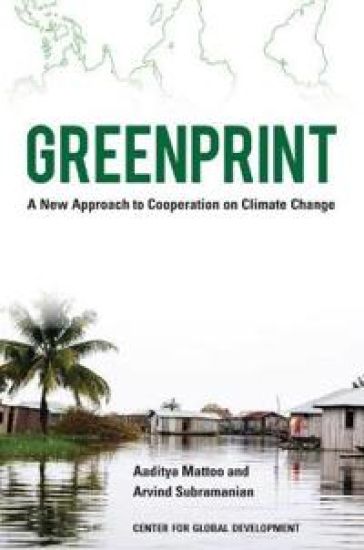
Beleaguered by mutual recrimination between rich and poor countries, squeezed by the zero-sum arithmetic of a shrinking global carbon budget, and overtaken by shifts in economic and hence bargaining power between these countries, international cooperation on climate change has floundered. Given these three factors - which Arvind Subramanian and Aaditya Mattoo call the “narrative,” “adding up,” and “new world” problems - the wonder is not the current impasse; it is, rather, the belief that progress might be possible at all. In this book, the authors argue that any chance of progress must address each of these problems in a radically different way. First, the old narrative of recrimination must cede to a narrative based on recognition of common interests. Second, leaders must shift the focus away from emissions cuts to technology generation. Third, the old “cash-for-cuts” approach must be abandoned for one that requires contributions from all countries calibrated in magnitude and form to their current level of development and future prospects.