Kirjojen hintavertailu – 12 903 735 kirjaa ja 27 kauppaa

Kirjailija

Aaron Jaffe

Kirjat ja teokset yhdessä paikassa: 10 kirjaa, julkaisuja vuosilta 2005–2020, suosituimpiin kuuluu Spoiler Alert. Vertaile teosten hintoja ja tarkista saatavuus suomalaisista kirjakaupoista.

10 kirjaa

Kirjojen julkaisuvuodet: 2005–2020.

Social Reproduction Theory and the Socialist Horizon
How do we integrate the theoretical underpinnings of Social Reproduction Theory (SRT) into our understanding of the social harms inflicted upon us? How can we use it to inform our struggles and affect societal change under capitalism? Integrating our understanding of productive and reproductive spheres and exploring the connection between identity-based oppression and class exploitation, SRT has emerged as a powerful Marxist frame for social analysis and political practice. In this book, Aaron Jaffe extracts SRT's radical potential, relying on recent struggles, including the International Women's Strike and the teachers' strikes, showing how we can use SRT to motivate socialist politics and strategy. Using Social Reproduction Theory to appreciate distinct forms of social domination, this unique and necessary book will have vital strategic implications for anti-capitalists, anti-racists, LGBT activists, disability activists and feminists.

Social Reproduction Theory and the Socialist Horizon
How do we integrate the theoretical underpinnings of Social Reproduction Theory (SRT) into our understanding of the social harms inflicted upon us? How can we use it to inform our struggles and affect societal change under capitalism? Integrating our understanding of productive and reproductive spheres and exploring the connection between identity-based oppression and class exploitation, SRT has emerged as a powerful Marxist frame for social analysis and political practice. In this book, Aaron Jaffe extracts SRT's radical potential, relying on recent struggles, including the International Women's Strike and the teachers' strikes, showing how we can use SRT to motivate socialist politics and strategy. Using Social Reproduction Theory to appreciate distinct forms of social domination, this unique and necessary book will have vital strategic implications for anti-capitalists, anti-racists, LGBT activists, disability activists and feminists.

Spoiler Alert

Spoiler Alert

Aaron Jaffe

University of Minnesota Press
2019
pokkari
All of this information at our fingertips-and we might not need any of itConcurrent with the compulsory connectivity of the digital age is the rise of the spoiler. The inevitability of information has changed the critical quality of modernity, leaving us with acute vertigo-a feeling that nothing new is left out there. Encompassing memes and trigger warnings, Vilem Flusser and Thomas Pynchon, Spoiler Alert wrangles with the state of surprise in post-historical times. Aaron Jaffe delivers a timely corrective to post-critical modes of reading that demonstrates the dangers of forfeiting critical suspicion. Forerunners: Ideas FirstShort books of thought-in-process scholarship, where intense analysis, questioning, and speculation take the lead
The Way Things Go

The Way Things Go

Aaron Jaffe

University of Minnesota Press
2014
sidottu
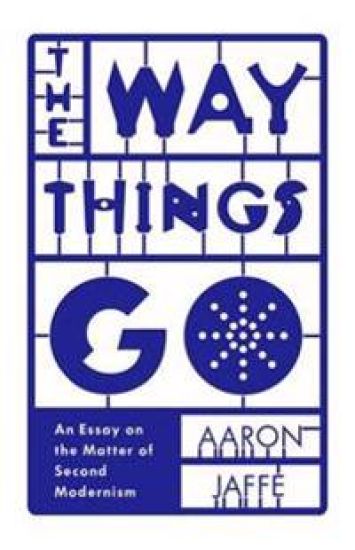
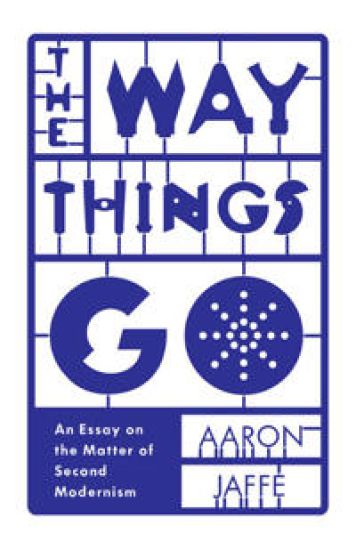
Buffed up to a metallic shine; loose fitting, lopsided, or kludgy; getting in the way or getting lost; collapsing in an explosion of dust caught on the warehouse CCTV. Modern things are going their own ways, and this book attempts to follow them. A course of thought about their comings and goings and cascading side effects, The Way Things Go offers a thesis demonstrated via a century-long countdown of stuff. Modernist critical theory and aesthetic method, it argues, are bound up with the inhuman fate of things as novelty becoming waste. Things are seldom at rest. Far more often they are going their own ways, entering and exiting our zones of attention, interest, and affection. Aaron Jaffe is concerned less with a humanist story of such things—offering anthropomorphizing narratives about recouping the items we use—as he is with the seemingly inscrutable, inhuman capacities of things for coarticulation and coherence. He examines the tension between this inscrutability on the one hand, and the ways things seem ready-made for understanding on the other hand, by means of exposition, thing-and-word-play, conceptual art, essayism, autopoesis, and prop comedy. Among other novelties and detritus, The Way Things Go delves into books, can openers, roller skates, fat, felt, soap, joy buzzers, hobbyhorses, felt erasers, sleds, magic rabbits, and urinals. But it stands apart from the recent flood of thing-talk, rebuking the romantic tendencies caught up in the pathetic nature of debris defining the conversation. Jaffe demonstrates that literary criticism is the one mode of analysis that can unpack the many things that, at first glance, seem so nonliterary.
The Way Things Go

The Way Things Go

Aaron Jaffe

University of Minnesota Press
2014
nidottu
Buffed up to a metallic shine; loose fitting, lopsided, or kludgy; getting in the way or getting lost; collapsing in an explosion of dust caught on the warehouse CCTV. Modern things are going their own ways, and this book attempts to follow them. A course of thought about their comings and goings and cascading side effects, The Way Things Go offers a thesis demonstrated via a century-long countdown of stuff. Modernist critical theory and aesthetic method, it argues, are bound up with the inhuman fate of things as novelty becoming waste. Things are seldom at rest. Far more often they are going their own ways, entering and exiting our zones of attention, interest, and affection. Aaron Jaffe is concerned less with a humanist story of such things-offering anthropomorphizing narratives about recouping the items we use-as he is with the seemingly inscrutable, inhuman capacities of things for coarticulation and coherence. He examines the tension between this inscrutability on the one hand, and the ways things seem ready-made for understanding on the other hand, by means of exposition, thing-and-word-play, conceptual art, essayism, autopoesis, and prop comedy. Among other novelties and detritus, The Way Things Go delves into books, can openers, roller skates, fat, felt, soap, joy buzzers, hobbyhorses, felt erasers, sleds, magic rabbits, and urinals. But it stands apart from the recent flood of thing-talk, rebuking the romantic tendencies caught up in the pathetic nature of debris defining the conversation. Jaffe demonstrates that literary criticism is the one mode of analysis that can unpack the many things that, at first glance, seem so nonliterary.
Modernism and the Culture of Celebrity

Modernism and the Culture of Celebrity

Aaron Jaffe

Cambridge University Press
2009
pokkari
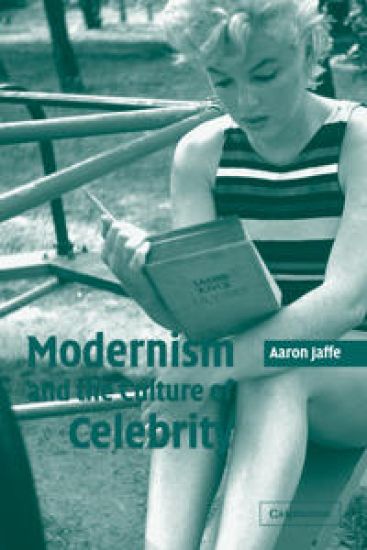
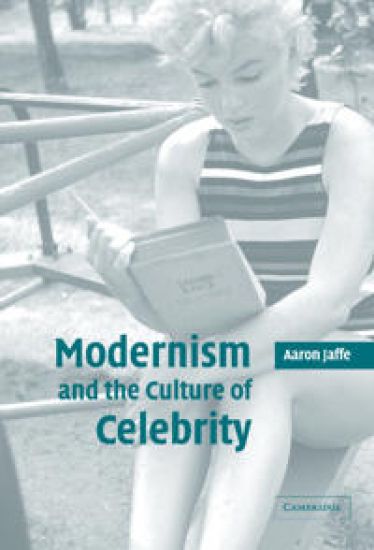
In this 2005 book, Aaron Jaffe investigates the relationship between two phenomena that arrived on the historical stage in the first decades of the twentieth century: modernist literature and celebrity culture. Jaffe systematically traces and theorises the deeper dependencies between these two influential forms of cultural value. He examines the paradox that modernist authors, while rejecting mass culture in favour of elite cultural forms, reflected the economy of celebrity culture in their strategies for creating a market for their work. Through collaboration, networking, reviewing and editing each other's works, T. S. Eliot, James Joyce, Ezra Pound and Wyndham Lewis, among others, constructed their literary reputations and publicised the project of modernism. Jaffe uses substantial archival research to show how literary fame was made by exploiting the very market forces that modernists claimed to reject. This innovative study also illuminates the cultural impact and continued relevance of the modernist project.
Modernism and the Culture of Celebrity

Modernism and the Culture of Celebrity

Aaron Jaffe

Cambridge University Press
2005
sidottu
In this 2005 book, Aaron Jaffe investigates the relationship between two phenomena that arrived on the historical stage in the first decades of the twentieth century: modernist literature and celebrity culture. Jaffe systematically traces and theorises the deeper dependencies between these two influential forms of cultural value. He examines the paradox that modernist authors, while rejecting mass culture in favour of elite cultural forms, reflected the economy of celebrity culture in their strategies for creating a market for their work. Through collaboration, networking, reviewing and editing each other's works, T. S. Eliot, James Joyce, Ezra Pound and Wyndham Lewis, among others, constructed their literary reputations and publicised the project of modernism. Jaffe uses substantial archival research to show how literary fame was made by exploiting the very market forces that modernists claimed to reject. This innovative study also illuminates the cultural impact and continued relevance of the modernist project.