
Kirjojen hintavertailu – 12 903 724 kirjaa ja 27 kauppaa

Kirjailija

Aaron Koh

Kirjat ja teokset yhdessä paikassa: 2 kirjaa, julkaisuja vuosilta 2017–2018, suosituimpiin kuuluu Class Choreographies. Vertaile teosten hintoja ja tarkista saatavuus suomalaisista kirjakaupoista.

2 kirjaa

Kirjojen julkaisuvuodet: 2017–2018.

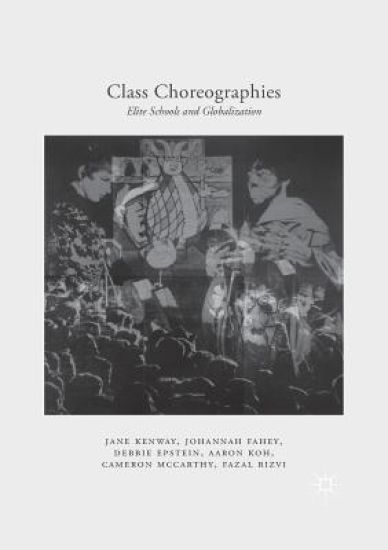
Class Choreographies

Class Choreographies

Jane Kenway; Johannah Fahey; Debbie Epstein; Aaron Koh; Cameron McCarthy; Fazal Rizvi

Palgrave Macmillan
2018
nidottu
Awarded Best Book prize by CIES Globalization and Education SIGAwarded 2nd Prize in the Society of Educational Studies Annual Book PrizeElite schools have always been social choreographers par excellence. The world over, they put together highly dexterous performances as they stage and restage changing relations of ruling. They are adept at aligning their social choreographies to shifting historical conditions and cultural tastes. In multiple theatres, they now regularly rehearse the irregular art of being global. Elite schools around the world are positioned at the intersecting pinnacles of various scales, systems and regimes of social, cultural, political and economic power. They have much in common but are also diverse. They illustrate how various modalities of power are enjoyed and put to work and how educational and social inequalities are shaped and shifted. They, thus, speak to the social zeitgeist. Thisbook dissects this intricate choreography.

Class Choreographies

Class Choreographies

Jane Kenway; Johannah Fahey; Debbie Epstein; Aaron Koh; Cameron McCarthy; Fazal Rizvi

Palgrave Macmillan
2017
sidottu
Awarded Best Book prize by CIES Globalization and Education SIGAwarded 2nd Prize in the Society of Educational Studies Annual Book PrizeElite schools have always been social choreographers par excellence. The world over, they put together highly dexterous performances as they stage and restage changing relations of ruling. They are adept at aligning their social choreographies to shifting historical conditions and cultural tastes. In multiple theatres, they now regularly rehearse the irregular art of being global. Elite schools around the world are positioned at the intersecting pinnacles of various scales, systems and regimes of social, cultural, political and economic power. They have much in common but are also diverse. They illustrate how various modalities of power are enjoyed and put to work and how educational and social inequalities are shaped and shifted. They, thus, speak to the social zeitgeist. Thisbook dissects this intricate choreography.