Kirjojen hintavertailu – 12 903 725 kirjaa ja 27 kauppaa

Kirjailija

Aaron Santesso

Kirjat ja teokset yhdessä paikassa: 3 kirjaa, julkaisuja vuosilta 2013–2027, suosituimpiin kuuluu The Watchman in Pieces. Vertaile teosten hintoja ja tarkista saatavuus suomalaisista kirjakaupoista.

3 kirjaa

Kirjojen julkaisuvuodet: 2013–2027.

The Watchman in Pieces

The Watchman in Pieces

David Rosen; Aaron Santesso

Yale University Press
2013
sidottu
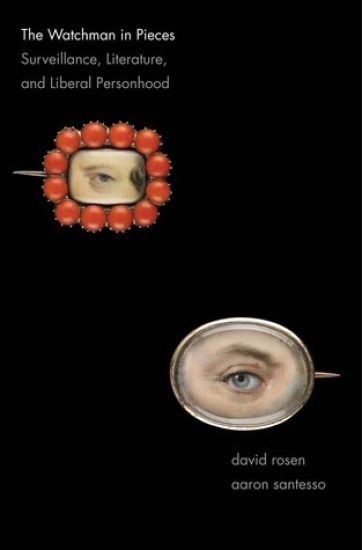
Spanning nearly 500 years of cultural and social history, this book examines the ways that literature and surveillance have developed together, as kindred modern practices. As ideas about personhood—what constitutes a self—have changed over time, so too have ideas about how to represent, shape, or invade the self. The authors show that, since the Renaissance, changes in observation strategies have driven innovations in literature; literature, in turn, has provided a laboratory and forum for the way we think about surveillance and privacy. Ultimately, they contend that the habits of mind cultivated by literature make rational and self-aware participation in contemporary surveillance environments possible. In a society increasingly dominated by interlocking surveillance systems, these habits of mind are consequently necessary for fully realized liberal citizenship.
Narrativized Space

Narrativized Space

Aaron Santesso

STANFORD UNIVERSITY PRESS
2027
pokkari
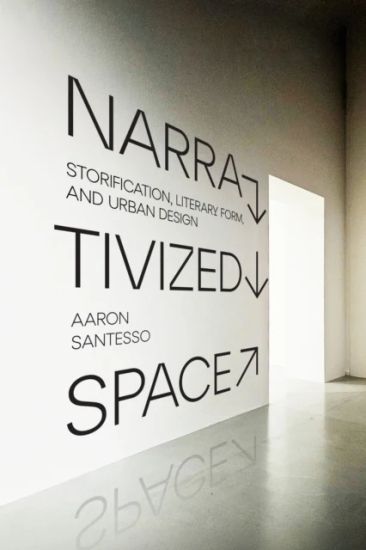
In Narrativized Space, Aaron Santesso examines a phenomenon that is at least passingly familiar to most of us: space arranged so as to create the feeling of moving through a story. This book analyzes the implementation of narrativized space, a demarcated and sequentialized area that gradually reveals an argument, claim, or story to the person passing through it. Santesso follows the history of this form from the eighteenth century to the modern day, especially as realized within four institutions: landscape gardens, zoos, museums, and amusement parks. As the book reveals, each institution shows a new step in the development of this phenomenon, and each is especially influenced by a particular literary genre. The design of twentieth-century zoo exhibits, for example, reflects the rising popularity of adventure stories, while the theme park has a special relationship with Fantasy and SciFi narratives. The implementation of narrativized space has special relevance to the modern city, and the book discusses both the past and the future of narrativized space as an urban planning strategy. An interdisciplinary work that moves between literary studies, geography, and urban studies, Narrativized Space shows how narrative theory and formalist analysis can offer insight into the operation of real-world story-structures, and makes a case for the value of literary-critical expertise to urban planning and design.
Narrativized Space

Narrativized Space

Aaron Santesso

STANFORD UNIVERSITY PRESS
2027
sidottu
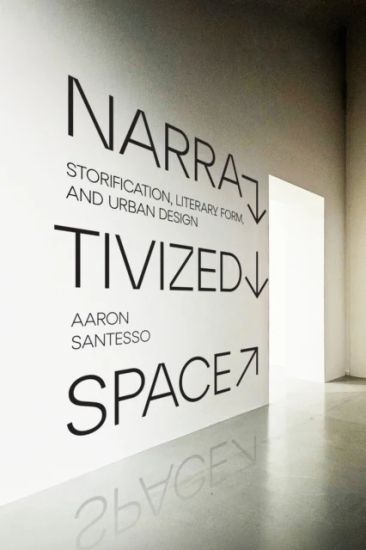
In Narrativized Space, Aaron Santesso examines a phenomenon that is at least passingly familiar to most of us: space arranged so as to create the feeling of moving through a story. This book analyzes the implementation of narrativized space, a demarcated and sequentialized area that gradually reveals an argument, claim, or story to the person passing through it. Santesso follows the history of this form from the eighteenth century to the modern day, especially as realized within four institutions: landscape gardens, zoos, museums, and amusement parks. As the book reveals, each institution shows a new step in the development of this phenomenon, and each is especially influenced by a particular literary genre. The design of twentieth-century zoo exhibits, for example, reflects the rising popularity of adventure stories, while the theme park has a special relationship with Fantasy and SciFi narratives. The implementation of narrativized space has special relevance to the modern city, and the book discusses both the past and the future of narrativized space as an urban planning strategy. An interdisciplinary work that moves between literary studies, geography, and urban studies, Narrativized Space shows how narrative theory and formalist analysis can offer insight into the operation of real-world story-structures, and makes a case for the value of literary-critical expertise to urban planning and design.