Kirjojen hintavertailu – 12 903 742 kirjaa ja 27 kauppaa
Kirjailija
Abdel Salam Sidahmed
Kirjat ja teokset yhdessä paikassa: 8 kirjaa, julkaisuja vuosilta 1996–2019, suosituimpiin kuuluu Islamic Fundamentalism. Vertaile teosten hintoja ja tarkista saatavuus suomalaisista kirjakaupoista.
The phenomenon of political Islam continues to dominate the political and social map of the Arab world, with the increasingly open struggle between ruling elites and Islamists becoming the main source of political instability in many states. This volume offers an in-depth analysis of the rise of Islamic and fundamentalist movements in the Middle Ea
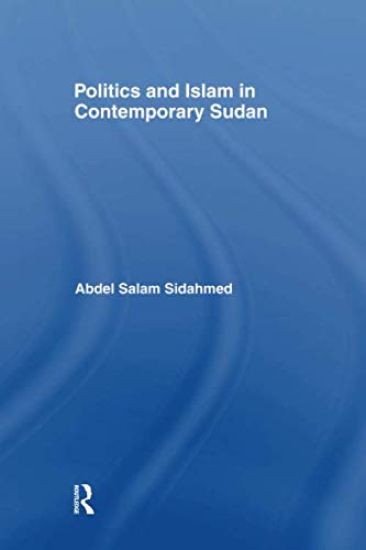
Why wasn't Islam the rallying point and battle cry of the anti-colonial movement in the Sudan? Why did the mainstream political parties and the first military regime maintain the 'secular' political structures of the colonial state? Why did the influential parties opt for an 'Islamic constitution' in the 1960s? Why did Nimeiry's regime change is course? This work attempts to answer these and related questions. Three key issues are addressed within the framework of the relationship between Islam, society and politics : the manifestation of Islam in the particular context of Sudanese society; the politicisation / repoliticisation of Islam and the Islamicisation of politics; and the mechanisms that influence the rise of a specific Islamicist force or enhance calls for Islamicisation.
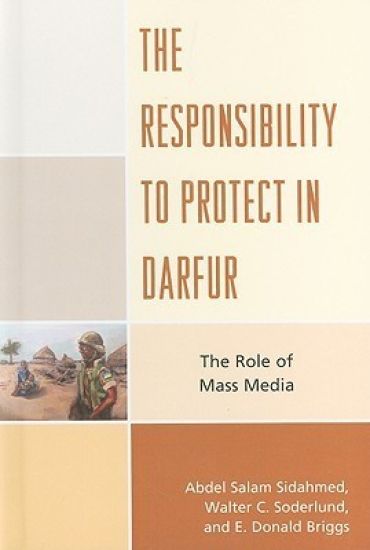
Long-simmering conflict in the Sudanese region of Darfur came to a boil in the spring of 2003 and became a focus of American media attention in September 2004. After the genocide in Rwanda the international community developed a new way to deal with genocide-the "Responsibility to Protect" doctrine which legitimized intervention in case of egregious loss of human life. Despite this new doctrine, it took over five years of conflict in Darfur before the U. N. began intervening. The Responsibility to Protect in Darfur: The Role of Mass Media, traces the development of international intervention in domestic conflict, culminating in the concept of "Responsibility to Protect" in 2001. The authors explain the background and complexity of the crisis besetting Darfur, and document U. S. media coverage of the crisis in terms of framing that would mobilize public opinion behind international intervention. The book traces evolution in international norms regarding state sovereignty and human rights that led to the articulation of "Responsibility to Protect" and its subsequent adoption by the international community in 2005. It provides an understanding of the complex nature of the Darfur crises, in a way that was seriously lacking in media coverage. The authors also analyze the affects media coverage of the crisis had on the world's reaction, particularly in the U. S. Specifically it looks at television coverage of the crisis, and the newspaper coverage, particularly through The New York Times. Finally, the authors ask if "Responsibility to Protect" was helpful in Darfur, and if it will be in the future for other countries.
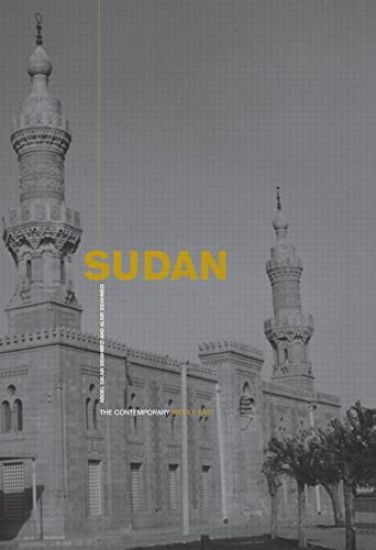
Stretching between the savannah and the equator, Sudan is a microcosm of Africa, with one leg in the Arab world and the other in Africa. Sudan's development, however, has failed to address the differences within the country between its diverse ethnic communities. This has resulted in political instability and a lack of national consensus, ultimately leading to long-term civil war. This useful book provides a comprehensive introduction to contemporary Sudan, outlining the evolution of the state with emphasis on its post-independence experience. It includes chapters on the history, politics, society, international relations and economy of the country.
Long-simmering conflict in the Sudanese region of Darfur came to a boil in the spring of 2003 and became a focus of American media attention in September 2004. After the genocide in Rwanda the international community developed a new way to deal with genocide-the "Responsibility to Protect" doctrine which legitimized intervention in case of egregious loss of human life. Despite this new doctrine, it took over five years of conflict in Darfur before the U. N. began intervening. The Responsibility to Protect in Darfur: The Role of Mass Media, traces the development of international intervention in domestic conflict, culminating in the concept of "Responsibility to Protect" in 2001. The authors explain the background and complexity of the crisis besetting Darfur, and document U. S. media coverage of the crisis in terms of framing that would mobilize public opinion behind international intervention. The book traces evolution in international norms regarding state sovereignty and human rights that led to the articulation of "Responsibility to Protect" and its subsequent adoption by the international community in 2005. It provides an understanding of the complex nature of the Darfur crises, in a way that was seriously lacking in media coverage. The authors also analyze the affects media coverage of the crisis had on the world's reaction, particularly in the U. S. Specifically it looks at television coverage of the crisis, and the newspaper coverage, particularly through The New York Times. Finally, the authors ask if "Responsibility to Protect" was helpful in Darfur, and if it will be in the future for other countries.
Stretching between the savannah and the equator, Sudan is a microcosm of Africa, with one leg in the Arab world and the other in Africa. Sudan's development, however, has failed to address the differences within the country between its diverse ethnic communities. This has resulted in political instability and a lack of national consensus, ultimately leading to long-term civil war. This useful book provides a comprehensive introduction to contemporary Sudan, outlining the evolution of the state with emphasis on its post-independence experience. It includes chapters on the history, politics, society, international relations and economy of the country.
Why wasn't Islam the rallying point and battle cry of the anti-colonial movement in the Sudan? Why did the mainstream political parties and the first military regime maintain the 'secular' political structures of the colonial state? Why did the influential parties opt for an 'Islamic constitution' in the 1960s? Why did Nimeiry's regime change is course? This work attempts to answer these and related questions. Three key issues are addressed within the framework of the relationship between Islam, society and politics : the manifestation of Islam in the particular context of Sudanese society; the politicisation / repoliticisation of Islam and the Islamicisation of politics; and the mechanisms that influence the rise of a specific Islamicist force or enhance calls for Islamicisation.
The phenomenon of political Islam continues to dominate the political and social map of the Arab world, with the increasingly open struggle between ruling elites and Islamists becoming the main source of political instability in many states. This volume offers an in-depth analysis of the rise of Islamic and fundamentalist movements in the Middle East and North Africa. Through detailed case studies, the contributors examine the various manifestations of political Islam, highlighting differences across movements and evaluating the varying circumstances in which they arise. They also assess the influence of such movements on the emerging post? Cold War order in the region and consider questions of a general nature, such as Islamic state theories and the impact of Islamicism on international relations.