Kirjojen hintavertailu – 12 903 735 kirjaa ja 27 kauppaa

Kirjailija

Abdul Qayyum

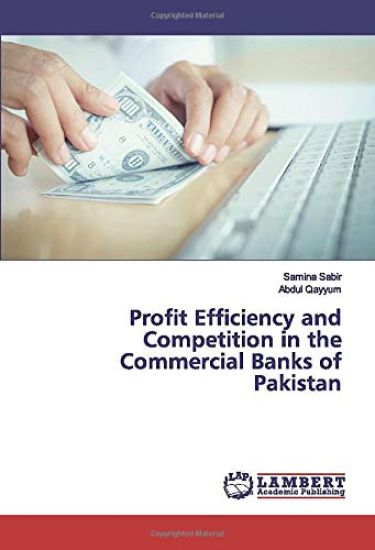
Kirjat ja teokset yhdessä paikassa: 6 kirjaa, julkaisuja vuosilta 2010–2023, suosituimpiin kuuluu Profit Efficiency and Competition in the Commercial Banks of Pakistan. Vertaile teosten hintoja ja tarkista saatavuus suomalaisista kirjakaupoista.

6 kirjaa

Kirjojen julkaisuvuodet: 2010–2023.

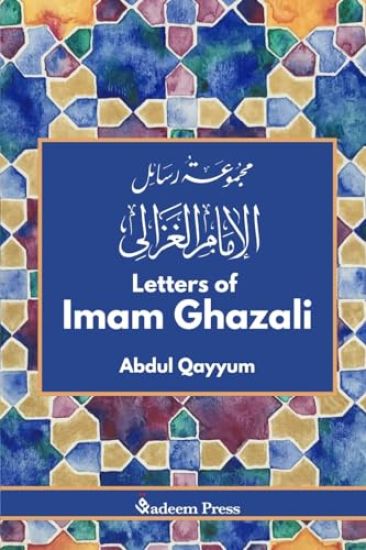
Rasail Ghazali

Rasail Ghazali

Abdul Qayyum

Maktaba Islamia
2023
sidottu
Compilation of over 26 letters that Imam Ghazali wrote responding to Leaders, scholars and laymen alike. Abu Hamid Muhammad, famous in the world of learning as al-Ghazali, was born in Persia in 450 AH (1058 A. D). in Persia. He graduated from the Nizamia Madressa at Nishapur, with distinction, a very famous educational institution in Nishapur. Later, he was appointed as a teacher at the Nizamia College in Baghdad, where he proved very successful in imparting knowledge to the scholars under his care. This valuable gift of sustaining the interest of his pupils and passing on his knowledge to them made him so famous that students from all parts of the country flocked to study under him. Imam al-Ghazali was fondly referred to as the "Hujjat-ul-lslam", Proof of Islam, He is honoured as a scholar and a saint by learned men all over the world. Al-Ghazali is generally acclaimed as the most influential thinker of the Classical period of Islam; in his autobiography The Deliverance from Error, the Imam describes his education and his intellectual crisis, which left him so paralysed by doubt that he gave up his academic pursuits and worldly interests and became a wandering ascetic. This was a process (period) of mystical transformation. Later, he resumed his teaching duties but again left these. An era of solitary life devoted to contemplation and writing then ensued, which led to the authorship of a number of everlasting books (Many of which have been translated into English). Imam al-Ghazali's life was spent in the self-sacrificing service of God and his fellowmen. He left behind him a fine example for all men to follow. He died in 505 AH.
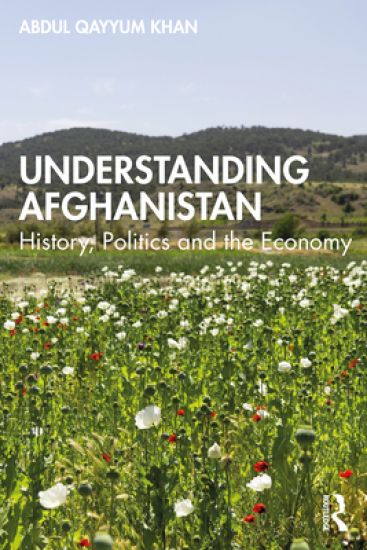
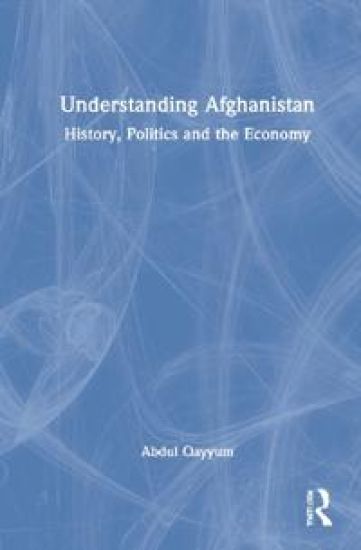
Understanding Afghanistan

Understanding Afghanistan

Abdul Qayyum

Taylor Francis Ltd
2021
nidottu
This book delves into the history of Afghanistan, its people, and its relationship with neighbors, to unravel the intricate politics and ethnolinguistic diversity of the country. It discusses the history of innumerable invasions which left imprints over the country and its people and created a complex fabric of different ethnic, linguistic, religious and cultural groups. The volume looks at the various empires which warred over the land including the Persian, Greek, Mongol, and Sassanid dynasties, as well as the later interferences by the British and the Russians and the emergence of the Taliban. It examines the correlations between war, power politics, religion, local governance, and the opium trade and economy in Afghanistan. The author through personal stories and anecdotes of his visits and journeys in Afghanistan provides a very rich and extensive view of Afghan politics, culture and history. The relationship between Afghanistan and Pakistan and Afghanistan’s unique position in the politics of the region is also a thread which runs through the entire book. This book will a great resource (and of interest) to researchers and students of politics, history, Central and South Asian Studies, war and international relations, political economy, and peace and reconciliation studies. It will also interest journalists, diplomats and international development organizations.
Understanding Afghanistan

Understanding Afghanistan

Abdul Qayyum

Routledge India
2021
sidottu
This book delves into the history of Afghanistan, its people, and its relationship with neighbors, to unravel the intricate politics and ethnolinguistic diversity of the country. It discusses the history of innumerable invasions which left imprints over the country and its people and created a complex fabric of different ethnic, linguistic, religious and cultural groups. The volume looks at the various empires which warred over the land including the Persian, Greek, Mongol, and Sassanid dynasties, as well as the later interferences by the British and the Russians and the emergence of the Taliban. It examines the correlations between war, power politics, religion, local governance, and the opium trade and economy in Afghanistan. The author through personal stories and anecdotes of his visits and journeys in Afghanistan provides a very rich and extensive view of Afghan politics, culture and history. The relationship between Afghanistan and Pakistan and Afghanistan’s unique position in the politics of the region is also a thread which runs through the entire book. This book will a great resource (and of interest) to researchers and students of politics, history, Central and South Asian Studies, war and international relations, political economy, and peace and reconciliation studies. It will also interest journalists, diplomats and international development organizations.