
Kirjailija
Abhijit V. Banerjee
Kirjat ja teokset yhdessä paikassa: 10 kirjaa, julkaisuja vuosilta 2012–2027, suosituimpiin kuuluu Just Economics. Vertaile teosten hintoja ja tarkista saatavuus suomalaisista kirjakaupoista.
Nimi esiintyy myös muodoissa: ABHIJIT V BANERJEE
10 kirjaa
Kirjojen julkaisuvuodet: 2012–2027.

Poor Economics
Abhijit V. Banerjee; Esther Duflo
PENGUIN BOOKS LTD
2025
pokkari
Halvin toimitettuna 18,70 €
Poor Economics: A Radical Rethinking of the Way to Fight Global Poverty
Abhijit V. Banerjee; Esther Duflo
PublicAffairs
2025
nidottu
Halvin toimitettuna 22,00 €
In this new edition of their classic work, the winners of the Nobel Prize in Economics upend the most common assumptions about how economics works, providing a "rich and humane" (Financial Times) examination of how poor people actually live Why do the poor borrow to save? Why do they miss out on free lifesaving immunizations but pay for unnecessary drugs? Why do children from poor families attend school but fail to learn anything? In Poor Economics, Abhijit V. Banerjee and Esther Duflo, two Nobel Prize-winning MIT professors, answer these questions based on years of field research from around the world. Together, they investigate what the lives and choices of the poor tell us about how to fight global poverty, from why microfinance is useful without being the miracle some hoped it would be to why the poor don't want health insurance. Throughout, they reveal that even as many magic bullets of yesterday have ended up as today's failed ideas, there is a path forward through this challenge. Updated with significant new material based on insights from the last decade of research, Poor Economics is a radical and hopeful rethinking of the economics of poverty and an intimate view of the life of the poor around the world.
GOOD ECONOMICS FOR HARD TIMES
ABHIJIT V BANERJEE
PublicAffairs
2022
nidottu
Halvin toimitettuna 24,90 €
The winners of the Nobel Prize show how economics, when done right, can help us solve the thorniest social and political problems of our day. Figuring out how to deal with today's critical economic problems is perhaps the great challenge of our time. Much greater than space travel or perhaps even the next revolutionary medical breakthrough, what is at stake is the whole idea of the good life as we have known it. Immigration and inequality, globalization and technological disruption, slowing growth and accelerating climate change--these are sources of great anxiety across the world, from New Delhi and Dakar to Paris and Washington, DC. The resources to address these challenges are there--what we lack are ideas that will help us jump the wall of disagreement and distrust that divides us. If we succeed, history will remember our era with gratitude; if we fail, the potential losses are incalculable. In this revolutionary book, renowned MIT economists Abhijit V. Banerjee and Esther Duflo take on this challenge, building on cutting-edge research in economics explained with lucidity and grace. Original, provocative, and urgent, Good Economics for Hard Times makes a persuasive case for an intelligent interventionism and a society built on compassion and respect. It is an extraordinary achievement, one that shines a light to help us appreciate and understand our precariously balanced world. In this ambitious, provocative book Abhijit V. Banerjee and Esther Duflo show how traditional western-centric thinking has failed to explain what is happening to people in a newly globalized world: in short Good Economics has been done badly. This precise but accessible book covers many of the most essential issues of our day--including migration, unemployment, growth, free trade, political polarization, and welfare. Banerjee and Duflo will confound and clarify the presumptions of our times, such as: Why migration doesn't follow the law of supply and demandWhy trade liberalization can drive unemployment up and wages downWhy macroeconomists like to bend the data to fit the modelWhy nobody can really explain why and when growth happensWhy economists' assumption that people don't change their minds has made has made polarization worseWhy quite often it doesn't take a village, especially if the villagers aren't that niceIn doing so, they seek to reclaim this essential terrain, and to offer readers an economist's view of the great issues of the day--one that is candid about the complexities, the zones of ignorance, and the areas of genuine disagreement.

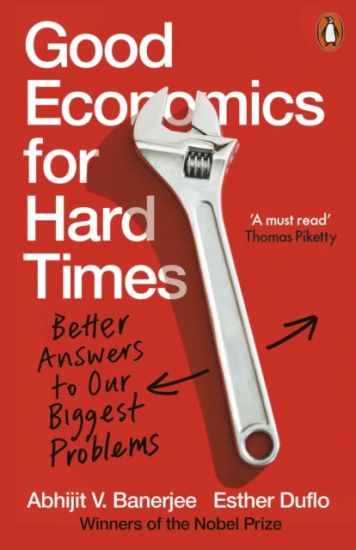
Good Economics for Hard Times
Abhijit V. Banerjee; Esther Duflo
Penguin
2020
pokkari
Halvin toimitettuna 18,70 €
In this revolutionary book, prize-winning economists Abhijit V. Banerjee and Esther Duflo show how economics, when done right, can help us solve the thorniest social and political problems of our day. From immigration to inequality, slowing growth to accelerating climate change, we have the resources to address the challenges we face but we are so often blinded by ideology. Original, provocative and urgent, Good Economics for Hard Times offers the newthinking that we need. It builds on cutting-edge research in economics - and years of exploring the most effective solutions to alleviate extreme poverty - to make a persuasive case for an intelligent interventionism and a society built on compassion and respect. A much-needed antidote to polarized discourse, this book shines a light to help us appreciate and understand our precariously balanced world.

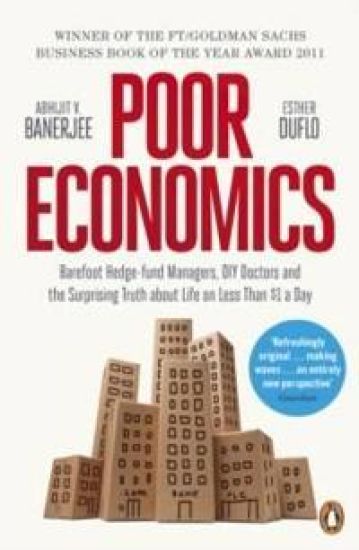
FROM THE WINNERS OF THE 2019 NOBEL PRIZE IN ECONOMICS'Refreshingly original, wonderfully insightful . . . an entirely new perspective' GuardianWhy would a man in Morocco who doesn't have enough to eat buy a television? Why do the poorest people in India spend 7 percent of their food budget on sugar? Does having lots of children actually make you poorer? This eye-opening book overturns the myths about what it is like to live on very little, revealing the unexpected decisions that millions of people make every day. Looking at some of the most paradoxical aspects of life below the poverty line - why the poor need to borrow in order to save, why incentives that seem effective to us may not be for them, and why, despite being more risk-taking than high financiers, they start businesses but rarely grow them - Banerjee and Duflo offer a new understanding of the surprising way the world really works. Winner of the FT Goldman Sachs Business Book of the Year Award 2011
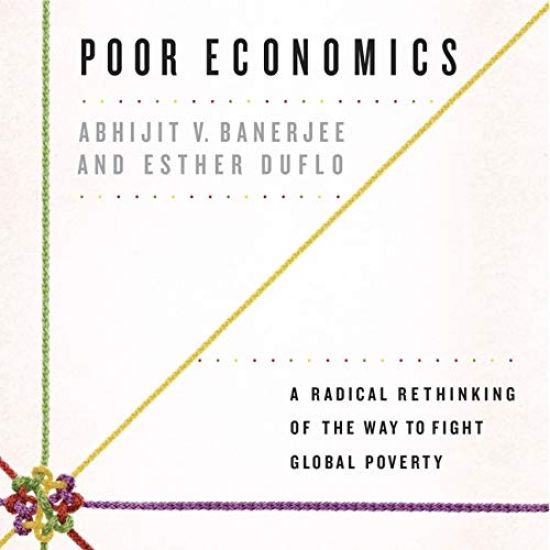
Poor Economics Lib/E: A Radical Rethinking of the Way to Fight Global Poverty
Abhijit V. Banerjee; Esther Duflo
Highbridge Audio
2012
cd