Kirjojen hintavertailu – 12 903 725 kirjaa ja 27 kauppaa

Kirjailija

Abraham Sutzkever

Kirjat ja teokset yhdessä paikassa: 5 kirjaa, julkaisuja vuosilta 2015–2025, suosituimpiin kuuluu From the Vilna Ghetto to Nuremberg. Vertaile teosten hintoja ja tarkista saatavuus suomalaisista kirjakaupoista.

5 kirjaa

Kirjojen julkaisuvuodet: 2015–2025.

From the Vilna Ghetto to Nuremberg

From the Vilna Ghetto to Nuremberg

Abraham Sutzkever; Avraham Novershtern

McGill-Queen's University Press
2021
sidottu
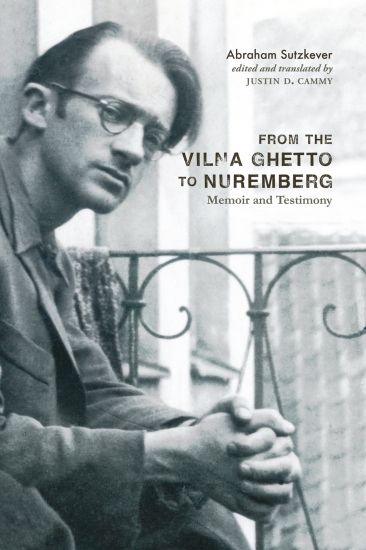
In 1944, the Yiddish poet Abraham Sutzkever was airlifted to Moscow from the forest where he had spent the winter among partisan fighters. There he was encouraged by Ilya Ehrenburg, the most famous Soviet Jewish writer of his day, to write a memoir of his two years in the Vilna Ghetto. Now, seventy-five years after it appeared in Yiddish in 1946, Justin Cammy provides a full English translation of one of the earliest published memoirs of the destruction of the city known throughout the Jewish world as the Jerusalem of Lithuania. Based on his own experiences, his conversations with survivors, and his consultation with materials hidden in the ghetto and recovered after the liberation of his hometown, Sutzkever’s memoir rests at the intersection of postwar Holocaust literature and history. He grappled with the responsibility to produce a document that would indict the perpetrators and provide an account of both the horrors and the resilience of Jewish life under Nazi rule. Cammy bases his translation on the two extant versions of the full text of the memoir and includes Sutzkever’s diary notes and full testimony at the Nuremberg Trials in 1946. Fascinating reminiscences of leading Soviet Yiddish cultural figures Sutzkever encountered during his time in Moscow – Ehrenburg, Yiddish modernist poet Peretz Markish, and director of the State Yiddish Theatre Shloyme Mikhoels – reveal the constraints of the political environment in which the memoir was composed. Both shocking and moving in its intensity, From the Vilna Ghetto to Nuremberg returns readers to a moment when the scale of the Holocaust was first coming into focus, through the eyes of one survivor who attempted to make sense of daily life, resistance, and death in the ghetto. A Yiddish Book Center Translation

Elephants by Night

Elephants by Night

Abraham Sutzkever; Justin Cammy

The Naydus Press
2025
nidottu
How was Abraham Sutzkever, the most famous Yiddish poet to survive the ghettos of Europe, inspired by an invitation to speak in South Africa? How did he transform his travels into a celebration of the creative impulse at a moment when Yiddish literature was saturated with memory and mourning? Elephants by Night offers a timeless meditation on the intersection of place, memory, and renewal. The original Yiddish text is presented on facing pages with the English translation.
Ode to the Dove

Ode to the Dove

Abraham Sutzkever

Ben Yehuda Press
2023
pokkari

Halvin toimitettuna 25,20 €

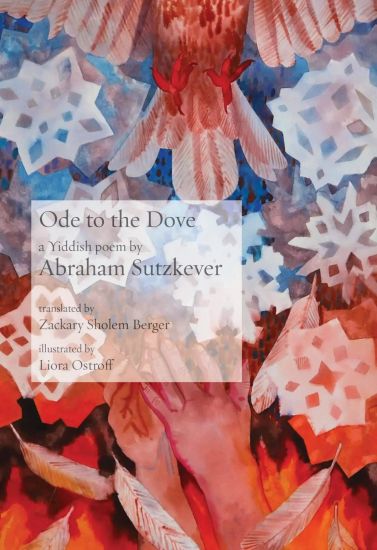
"The greatest poet of the Holocaust" - The New York TimesAvrom Sutzkever (1913-2010) was an acclaimed Yiddish poet, a freedom fighter, and a witness in the Nuremberg trials. His epic poem Ode to the Dove is now available in English for the first time in its entirety, translated by Zackary Sholem Berger, with illustrations by Liora Ostroff. Sutzkever's visionary imagery moves from the past to the future, from Dante to Chagall, from the streets that stone themselves to the Reed Sea. He seeks the dove compelling him to write, wishing to feed her silver syllables. But what happens at the end of world-spanning travels, when the poet and the dove finally meet?
From the Vilna Ghetto to Nuremberg

From the Vilna Ghetto to Nuremberg

Abraham Sutzkever; Avraham Novershtern

McGill-Queen's University Press
2021
nidottu
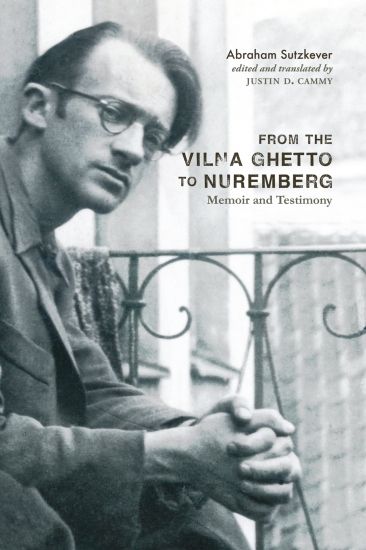
In 1944, the Yiddish poet Abraham Sutzkever was airlifted to Moscow from the forest where he had spent the winter among partisan fighters. There he was encouraged by Ilya Ehrenburg, the most famous Soviet Jewish writer of his day, to write a memoir of his two years in the Vilna Ghetto. Now, seventy-five years after it appeared in Yiddish in 1946, Justin Cammy provides a full English translation of one of the earliest published memoirs of the destruction of the city known throughout the Jewish world as the Jerusalem of Lithuania. Based on his own experiences, his conversations with survivors, and his consultation with materials hidden in the ghetto and recovered after the liberation of his hometown, Sutzkever’s memoir rests at the intersection of postwar Holocaust literature and history. He grappled with the responsibility to produce a document that would indict the perpetrators and provide an account of both the horrors and the resilience of Jewish life under Nazi rule. Cammy bases his translation on the two extant versions of the full text of the memoir and includes Sutzkever’s diary notes and full testimony at the Nuremberg Trials in 1946. Fascinating reminiscences of leading Soviet Yiddish cultural figures Sutzkever encountered during his time in Moscow – Ehrenburg, Yiddish modernist poet Peretz Markish, and director of the State Yiddish Theatre Shloyme Mikhoels – reveal the constraints of the political environment in which the memoir was composed. Both shocking and moving in its intensity, From the Vilna Ghetto to Nuremberg returns readers to a moment when the scale of the Holocaust was first coming into focus, through the eyes of one survivor who attempted to make sense of daily life, resistance, and death in the ghetto. A Yiddish Book Center Translation