Kirjojen hintavertailu – 12 859 829 kirjaa ja 27 kauppaa
Kirjailija
Abu Nuwas
Kirjat ja teokset yhdessä paikassa: 7 kirjaa, julkaisuja vuosilta 2013–2024, suosituimpiin kuuluu A Demon Spirit. Vertaile teosten hintoja ja tarkista saatavuus suomalaisista kirjakaupoista.
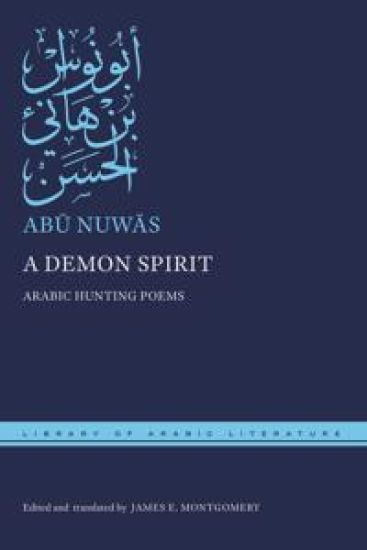
Verses on hunter and quarry from a giant of Arabic poetry Arguably the greatest poet of the Arabic language, Abu Nuwas was renowned for his innovations in poetic genre and style and was a larger-than-life figure even among his contemporaries in Abbasid Baghdad. In A Demon Spirit, acclaimed translator and scholar James E. Montgomery renders this literary giant's hunting poetry, or ?ardiyyat, translated for the first time in vivid English. Abu Nuwas's poems radiate brilliance, ingenuity, and lyrical attentiveness to both nature and body. These hunting poems convey the crackling energy of ruthless predators and wily prey, the worryingly uncertain outcome of perilous pursuits, and the mythic perfection of warriors both human and animal—all the while overturning genre structures and power dynamics with unforgettable imagery expressed in smooth, natural language. A bilingual Arabic-English edition.
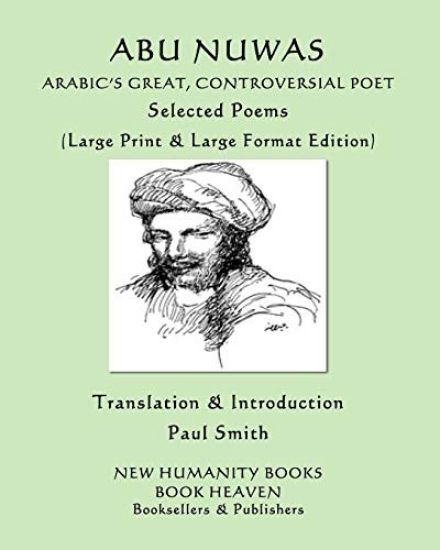
ABU NUWAS: ARABIC'S GREAT, CONTROVERSIAL POET Selected Poems (Large Print & Large Format Edition) Translation & Introduction Paul Smith Abu Nuwas (757-814) was the most famous and infamous poet who composed in Arabic of the Abbasid era. His style was extravagant and his compositions reflected the licentious manners of the upper classes of his day. By the time he reached manhood he had settled in Baghdad and was composing poetry. Gradually he attracted the attention of Harun al-Rashid and was given quarters at court. His ability as a poet no doubt was one reason for Abu Nuwas' success with the caliph, but after a while he became known as a reprobate and participated in less reputable pastimes with the ruler. He spent time in Egypt but soon returned to Baghdad to live out his remaining years. It is said he lived the last part of his life as a Sufi and some of his poems reflect this. He is popular today, perhaps more so than he ever was, as a kind of comic anti-hero in many Muslim countries. His poems consist of qit'as (of which he was the first master) ghazals and qasidas. All forms are here in the meaning & rhyme structure, the largest in print. Introduction: Life, Times & Poetry and forms he composed in: 2 appendixes of some of the stories about him in Arabian Nights and elsewhere. Large Print 18pt., Large Format 8" x 10" 363 pages. Paul Smith (b.1945) is a poet, author and translator of many books of Sufi poets from the Persian, Arabic, Urdu, Turkish, Pashtu and other languages... including Hafiz, Sadi, Nizami, 'Attar, Sana'i, Jahan Khatun, Obeyd Zakani, Nesimi, Kabir, Anvari, Ansari, Jami, Khayyam, Rudaki, Bulleh Shah, Shah Latif, Mansur Hallaj, Jigar, Seemab and many others, as well as poetry, fiction, plays, children's books, biographies and 12 screenplays. amazon.com/author/smithpa
THE WINE POEMS OF ABU NUWAS (Khamriyyat) Translation & Introduction Paul Smith Abu Nuwas (757-814) was the most famous and infamous poet who composed in Arabic of the Abbasid era. His style was extravagant and his compositions reflected the licentious manners of the upper classes of his day. His father was Arab and his mother was Persian. As a youth he was sold into slavery; a wealthy benefactor later set him free. By the time he reached manhood he had settled in Baghdad and was composing poetry. It was at this time, because of his long hair, he acquired the name Abu Nuwas (Father of Ringlets). Gradually he attracted the attention of Harun al-Rashid and was given quarters at court. His ability as a poet no doubt was one reason for Abu Nuwas' success with the caliph, but after a while he became known as a reprobate and participated in less reputable pastimes with the ruler. He spent time in Egypt but soon returned to Baghdad to live out his remaining years. It is said he lived the last part of his life as a Sufi and some of his poems reflect this. He is popular today, perhaps more so than he ever was, as a kind of comic anti-hero in many Muslim countries. His poems consist of qit'as (of which he was the first master) ghazals and qasidas. His most famous, most loved poems were his wine poems (khamriyyat) that influence many poets to come including Obeyd Zakani & the great Hafiz & other Sufi Poets (over 100 here translated). He also wrote praises, mockeries, jokes, complaints, love of men & women, laments, asceticism A selection of them are here translated. All are in the correct rhyme structure. Introduction on his Life, Times & Poetry. Large Format Paperback 7" x 10" 210 pages. COMMENTS ON PAUL SMITH'S TRANSLATION OF HAFIZ'S 'DIVAN'." It is not a joke... the English version of ALL the ghazals of Hafiz is a great feat and of paramount importance. I am astonished. " Dr. Mir Mohammad Taghavi (Dr. of Literature) Tehran." Superb translations. 99% Hafiz 1% Paul Smith." Ali Akbar Shapurzman, translator works in English into Persian and knower of Hafiz's Divan off by heart. Paul Smith (b.1945) is a poet, author and translator of many books of Sufi poets of the Persian, Arabic, Urdu, Turkish, Pashtu and other languages... including Hafiz, Sadi, Nizami, Rumi, 'Attar, Sana'i, Jahan Khatun, Obeyd Zakani, Mu'in, Amir Khusrau, Nesimi, Kabir, Anvari, Ansari, Jami, Omar Khayyam, Rudaki, Yunus Emre, Mahsati, Lalla Ded, Bulleh Shah, Shah Latif, Makhfi, Iqbal, Dara Shikoh, Ghalib, Seemab, Jigar and many others, as well as his own poetry, fiction, plays, biographies, children's books and a dozen screenplays.amazon.com/author/smithpa
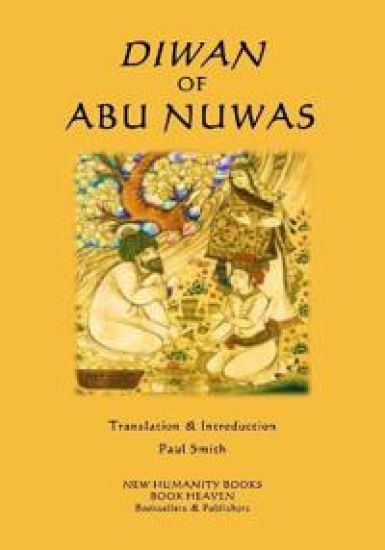
DIWAN OF ABU NUWAS Translation & Introduction Paul Smith Abu Nuwas (757-814) was the most famous and infamous poet who composed in Arabic of the Abbasid era. His style was extravagant and his compositions reflected the licentious manners of the upper classes of his day. His father was Arab and his mother was Persian. As a youth he was sold into slavery; a wealthy benefactor later set him free. By the time he reached manhood he had settled in Baghdad and was composing poetry. It was at this time, because of his long hair, he acquired the name Abu Nuwas (Father of Ringlets). Gradually he attracted the attention of Harun al-Rashid and was given quarters at court. His ability as a poet no doubt was one reason for Abu Nuwas' success with the caliph, but after a while he became known as a reprobate and participated in less reputable pastimes with the ruler. He spent time in Egypt but soon returned to Baghdad to live out his remaining years. It is said he lived the last part of his life as a Sufi and some of his poems reflect this. He is popular today, perhaps more so than he ever was, as a kind of comic anti-hero in many Muslim countries. His poems consist of qit'as (of which he was the first master) ghazals and qasidas. His poems could be classified into: wine poems (over a 100 here translated), praises (of nobles and caliphs & famous people), mockeries, jokes, complaints, love of men and women, hunting, laments, asceticism. All forms are here in the meaning & rhyme structure, the largest in print. Introduction: Life, Times & Poetry and forms he composed in: 2 appendixes of some of the stories about him in Arabian Nights and elsewhere. Large Format Paperback 7" x 10" 307 pages. COMMENTS ON PAUL SMITH'S TRANSLATION OF HAFIZ'S 'DIVAN'." It is not a joke... the English version of ALL the ghazals of Hafiz is a great feat and of paramount importance. I am astonished. " Dr. Mir Mohammad Taghavi (Dr. of Literature) Tehran." Superb translations. 99% Hafiz 1% Paul Smith." Ali Akbar Shapurzman, translator works in English into Persian and knower of Hafiz's Divan off by heart. Paul Smith (b.1945) is a poet, author and translator of many books of Sufi poets of the Persian, Arabic, Urdu, Turkish, Pashtu and other languages... including Hafiz, Sadi, Nizami, Rumi, 'Attar, Sana'i, Jahan Khatun, Obeyd Zakani, Mu'in, Amir Khusrau, Nesimi, Kabir, Anvari, Ansari, Jami, Omar Khayyam, Rudaki, Yunus Emre, Mahsati, Lalla Ded, Bulleh Shah, Shah Latif, Makhfi, Iqbal, Dara Shikoh, Ghalib, Seemab, Jigar and many others, as well as his own poetry, fiction, plays, biographies, children's books and a dozen screenplays. amazon.com/author/smithpa
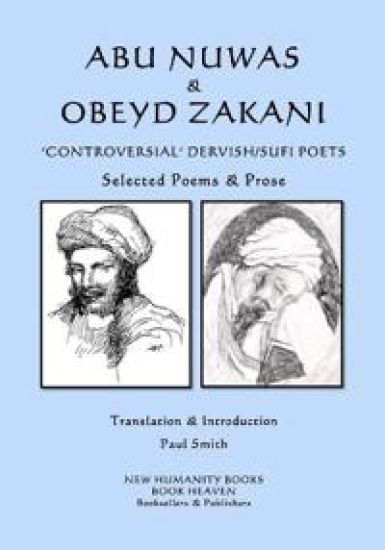
ABU NUWAS & OBEYD ZAKANI 'CONTROVERSIAL' DERVISH/SUFI POETS Selected Poems & Prose Translation & Introduction Paul Smith Abu Nuwas (757-814) was the most famous and infamous poet who composed in Arabic of the Abbasid era. His style was extravagant and his compositions reflected the licentious manners of the upper classes of his day. As a youth he was sold into slavery; a wealthy benefactor later set him free. As a man he finally settled in Baghdad and was composing poetry. Because of his long hair, he acquired the name Abu Nuwas (Father of Ringlets). Gradually he attracted the attention of Harun al-Rashid and was given quarters at court. His ability as a poet no doubt was one reason for Abu Nuwas' success with the caliph, but after a while he became known as a reprobate and participated in less reputable pastimes with the ruler. He spent time in Egypt but soon returned to Baghdad to live out his remaining years. He is popular today, perhaps more so than he ever was, as a kind of comic anti-hero. His poems consist of qit'as (of which he was the first master) ghazals and qasidas. His poems could be classified into: praises, mockeries, jokes, complaints, love of men and women, wine, hunting, laments, asceticism. All forms are here in the true meaning & rhyme structure. Introduction: Life, Times & Poetry and forms both composed in and two appendixes of some stories about him in the Arabian Nights and elsewhere. Obeyd Zakani (1300-1371) is an important a figure in Persian and Sufi literature and poetry. His satire, humorous stories, ribald and obscene poems, social commentary, mystical ghazals, prose, ruba'is, qit'as and his famous epic qasida 'Cat & Mouse' are popular today and are more relevant than ever. He is considered to be one of the world's greatest satirist and social-commentator whose life and mystical poems had a great influence on his student and friend Hafiz and many others and he (like his predecessor Abu Nuwas is as controversial today as they ever were. This is the largest selection of his works available in English. The rhyme-structure has been kept as well as the beauty and meaning of these sometimes rude, funny and mystical poems and prose. Introduction on his Life & Times & Writing. Appendix, Selected Bibliography, Many illustrations. Large Format Paperback 7" x 10" 571 pages. Paul Smith (b. 1945) is a poet, author and translator of many books of Sufi poets of the Persian, Arabic, Urdu, Turkish, Pashtu and other languages... including Hafiz, Sadi, Nizami, Rumi, 'Attar, Sana'i, Jahan Khatun, Obeyd Zakani, Mu'in, Amir Khusrau, Nesimi, Kabir, Anvari, Ansari, Jami, Omar Khayyam, Rudaki, Yunus Emre, Mahsati, Lalla Ded, Bulleh Shah, Shah Latif, Makhfi, Iqbal, Dara Shikoh, Ghalib and many others, as well as his own poetry, fiction, plays, biographies, children's books and a dozen screenplays. Published by New Humanity Books amazon.com/author/smithpa
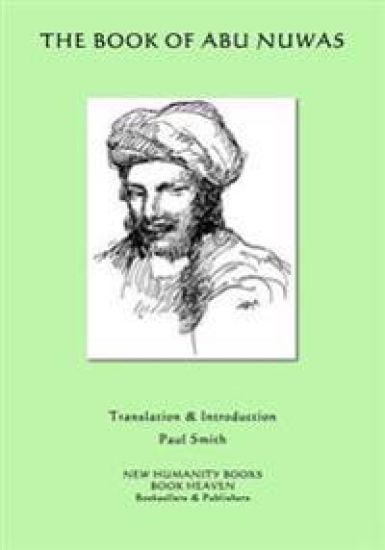
THE BOOK OF ABU NUWAS Translation & Introduction Paul Smith Abu Nuwas (757-814) was the most famous and infamous poet who composed in Arabic of the Abbasid era. His style was extravagant and his compositions reflected the licentious manners of the upper classes of his day. His father was Arab and his mother was Persian. As a youth he was sold into slavery; a wealthy benefactor later set him free. By the time he reached manhood he had settled in Baghdad and was composing poetry. It was at this time, because of his long hair, he acquired the name Abu Nuwas (Father of Ringlets). Gradually he attracted the attention of Harun al-Rashid and was given quarters at court. His ability as a poet no doubt was one reason for Abu Nuwas' success with the caliph, but after a while he became known as a reprobate and participated in less reputable pastimes with the ruler. He spent time in Egypt but soon returned to Baghdad to live out his remaining years. It is said he lived the last part of his life as a Sufi and some of his poems reflect this. He is popular today, perhaps more so than he ever was, as a kind of comic anti-hero in many Muslim countries. His poems consist of qit'as (of which he was the first master) ghazals and qasidas. His poems could be classified into: wine poems (over a 100 here translated), praises (of nobles and caliphs & famous people), mockeries, jokes, complaints, love of men and women, hunting, laments, asceticism. All forms are here in the meaning & rhyme structure, the largest in print. Introduction: Life, Times & Poetry and forms he composed in: 2 appendixes of some of the stories about him in Arabian Nights and elsewhere. Large Format Paperback 7" x 10" 307 pages. COMMENTS ON PAUL SMITH'S TRANSLATION OF HAFIZ'S 'DIVAN'." It is not a joke... the English version of ALL the ghazals of Hafiz is a great feat and of paramount importance. I am astonished. " Dr. Mir Mohammad Taghavi (Dr. of Literature) Tehran." Superb translations. 99% Hafiz 1% Paul Smith." Ali Akbar Shapurzman, translator works in English into Persian and knower of Hafiz's Divan off by heart. Paul Smith (b.1945) is a poet, author and translator of many books of Sufi poets of the Persian, Arabic, Urdu, Turkish, Pashtu and other languages... including Hafiz, Sadi, Nizami, Rumi, 'Attar, Sana'i, Jahan Khatun, Obeyd Zakani, Mu'in, Amir Khusrau, Nesimi, Kabir, Anvari, Ansari, Jami, Omar Khayyam, Rudaki, Yunus Emre, Mahsati, Lalla Ded, Bulleh Shah, Shah Latif, Makhfi, Iqbal, Dara Shikoh, Ghalib, Seemab, Jigar and many others, as well as his own poetry, fiction, plays, biographies, children's books and a dozen screenplays. amazon.com/author/smithpa Published bt New Humanity Books
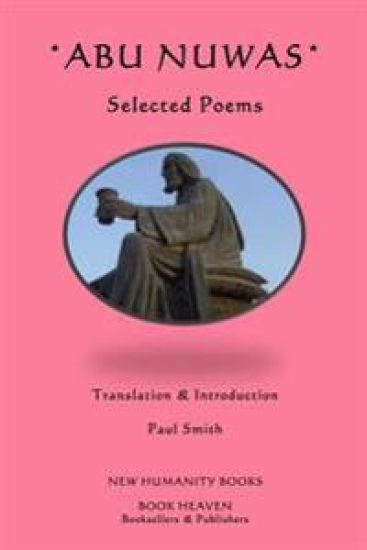
ABU NUWAS: Selected Poems Translation & Introduction by Paul Smith Abu Nuwas (757-814) was the most famous and infamous poet who composed in Arabic of the Abbasid era. His style was extravagant and his compositions reflected the licentious manners of the upper classes of his day. His father was Arab and his mother was Persian. As a youth he was sold into slavery; a wealthy benefactor later set him free. By the time he reached manhood he had settled in Baghdad and was composing poetry. It was at this time, because of his long hair, he acquired the name Abu Nuwas (Father of Ringlets). Gradually he attracted the attention of Harun al-Rashid and was given quarters at court. His ability as a poet no doubt was one reason for Abu Nuwas' success with the caliph, but after a while he became known as a reprobate and participated in less reputable pastimes with the ruler. He spent time in Egypt but soon returned to Baghdad to live out his remaining years. It is said he lived the last part of his life as a Sufi and some of his poems reflect this. He is popular today, perhaps more so than he ever was, as a kind of comic anti-hero in many Muslim countries. His poems consist of qit'as (of which he was the first master) ghazals and qasidas. His poems could be classified into: praises (of nobles and caliphs & famous people), mockeries, jokes, complaints, love of men and women, wine, hunting, laments, asceticism. All forms are here in the true meaning & rhyme structure. Introduction on his Life, Times & Poetry and forms he composed in and an appendix of some of the stories about him in the Arabian Nights. 154 pages. COMMENTS ON PAUL SMITH'S TRANSLATION OF HAFIZ'S 'DIVAN'." It is not a joke... the English version of ALL the ghazals of Hafiz is a great feat and of paramount importance. I am astonished. " Dr. Mir Mohammad Taghavi (Dr. of Literature) Tehran." Superb translations. 99% Hafiz 1% Paul Smith." Ali Akbar Shapurzman, translator works in English into Persian and knower of Hafiz's Divan off by heart. Paul Smith is a poet, author and translator of many books of Sufi poets of the Persian, Arabic, Urdu, Turkish, Pashtu and other languages... including Hafiz, Sadi, Nizami, Rumi, 'Attar, Sana'i, Jahan Khatun, Obeyd Zakani, Mu'in, Amir Khusrau, Nesimi, Kabir, Anvari, Ansari, Jami, Omar Khayyam, Rudaki, Yunus Emre, Mahsati, Lalla Ded, Bulleh Shah, Shah Latif, Makhfi and many others, as well as his own poetry, fiction, plays, biographies, children's books and a dozen screenplays. amazon.com/author/smithpa Published bt New Humanity Books