Kirjojen hintavertailu – 12 859 829 kirjaa ja 27 kauppaa

Kirjailija

Adam Chapnick

Kirjat ja teokset yhdessä paikassa: 10 kirjaa, julkaisuja vuosilta 2005–2023, suosituimpiin kuuluu Academic Writing for Military Personnel. Vertaile teosten hintoja ja tarkista saatavuus suomalaisista kirjakaupoista.

10 kirjaa

Kirjojen julkaisuvuodet: 2005–2023.

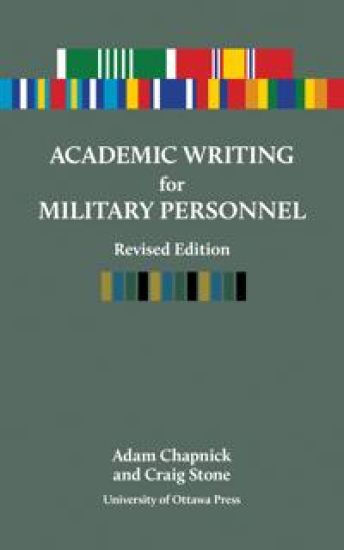
Academic Writing for Military Personnel, revised edition

Academic Writing for Military Personnel, revised edition

Adam Chapnick; Craig Stone

University of Ottawa Press
2023
nidottu
Academic Writing for Military Personnel is a manual for writing clear and effective academic prose. Authored by an experienced writing instructor and a retired military officer, both of whom teach in a professional military education institution, it is designed for members of the armed forces who are entering, or perhaps re-entering, the academic community, and having spent much of their careers either writing in the professional military context or not writing at all. _x000D_ _x000D_ The book not only teaches officers how to write convincingly, but also explains why a sound grasp of academic writing can enhance their effectiveness in their regular duties, particularly as they reach the more senior levels of service. Chapters focus on the value of written communication skills, the difference between professional (staff) and academic writing, the research process, the writing process, academic professionalism, and common writing problems and challenges. A particularly innovative final chapter discusses how officers can use the knowledge that they have acquired through their professional experiences in the academic context. Specific examples – chosen with a military audience in mind – are integrated throughout the text to provide the reader with relevant and practical guidance._x000D_ _x000D_ The revised edition incorporates new examples from a more diverse set of authors, takes into account recent changes in communication technologies, and reflects new advancements in the scholarship of teaching and learning._x000D_ _x000D_ As the only comprehensive guide to effective academic writing designed specifically for military personnel, this book will be a crucial addition to the libraries of junior and senior officers in militaries worldwide._x000D_ _x000D_ Available formats: trade paperback, accessible PDF, and accessible ePub
Canada on the United Nations Security Council

Canada on the United Nations Security Council

Adam Chapnick

University of British Columbia Press
2020
pokkari
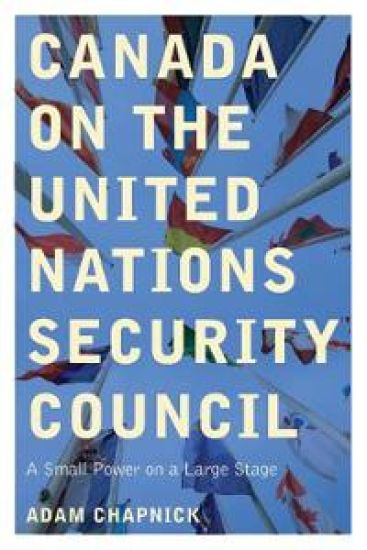
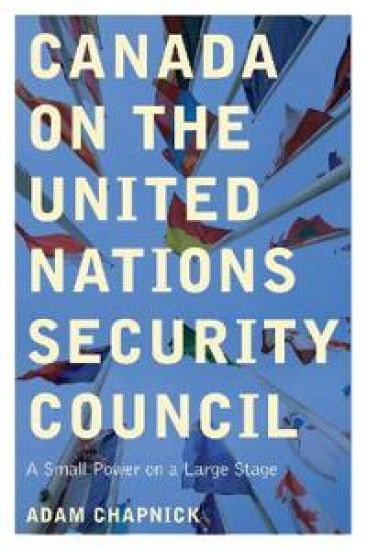
As the twentieth century ended, Canada was completing its sixth term on the United Nations Security Council, more terms than all but three other non-permanent members. A decade later, Ottawa's attempt to return to the council was dramatically rejected by its global peers, leaving Canadians – and international observers – shocked and disappointed. This book tells the story of that defeat and what it means for future campaigns, describing and analyzing Canada's attempts since 1946, both successful and unsuccessful, to gain a seat as a non-permanent member. It also reveals that while the Canadian commitment to the United Nations itself has always been strong, Ottawa's attitude towards the Security Council, and to service upon it, has been much less consistent. Impeccably researched and clearly written, Canada on the United Nations Security Council is the definitive history of the Canadian experience on the world's most powerful stage.
Canada on the United Nations Security Council

Canada on the United Nations Security Council

Adam Chapnick

University of British Columbia Press
2019
sidottu
As the twentieth century ended, Canada was completing its sixth term on the United Nations Security Council, more terms than all but three other non-permanent members. A decade later, Ottawa's attempt to return to the council was dramatically rejected by its global peers, leaving Canadians – and international observers – shocked and disappointed. This book tells the story of that defeat and what it means for future campaigns, describing and analyzing Canada's attempts since 1946, both successful and unsuccessful, to gain a seat as a non-permanent member. It also reveals that while the Canadian commitment to the United Nations itself has always been strong, Ottawa's attitude towards the Security Council, and to service upon it, has been much less consistent. Impeccably researched and clearly written, Canada on the United Nations Security Council is the definitive history of the Canadian experience on the world's most powerful stage.
Academic Writing for Military Personnel

Academic Writing for Military Personnel

Adam Chapnick; Craig Stone

University of Ottawa Press
2009
pokkari
"Academic Writing for Military Personnel" is written for members of the military who are either new to or re-entering the academic community and who need to familiarize themselves with academic writing. The authors, an experienced writing instructor and a retired military officer, show how persuasive academic writing enhances officers' effectiveness in their regular duties, especially as they reach more senior levels of service. They explain the differences between staff writing and academic writing, and outline some of the common errors military personnel make when transitioning from one to the other. The book's chapters outline the value of strong written communication skills, the research process, the writing process, academic referencing, and frequent grammatical and syntactical errors. Specific examples chosen with a military audience in mind are integrated throughout the book to provide the reader with relevant and practical guidance. The book concludes with a discussion on how officers can use the knowledge they have acquired through their professional experiences in their academic work. As the only comprehensive guide to effective academic writing designed specifically for military personnel, this book will be a crucial addition to the libraries of junior and senior officers in militaries worldwide.
Canada's Voice

Canada's Voice

Adam Chapnick

University of British Columbia Press
2009
pokkari
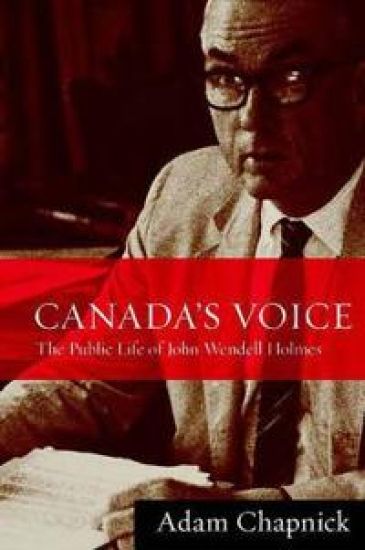
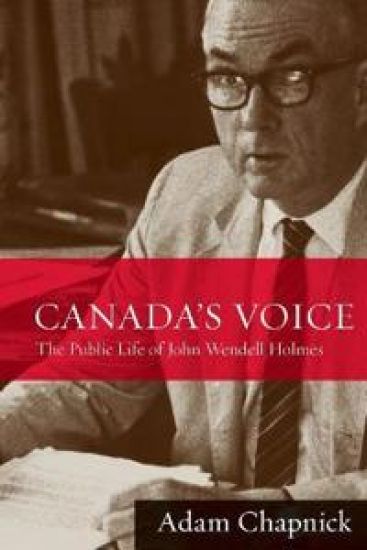
It is hard to imagine a person who embodied the ideals of postwar Canadian foreign policy more than diplomat and scholar John Wendell Holmes. Holmes joined the foreign service in 1943, headed the Canadian Institute of International Affairs from 1960 to 1973, and, as a professor of international relations, mentored a generation of students and scholars. Canada's Voice draws upon family letters, archival records, and more than 150 personal interviews to chronicle how Holmes influenced the way diplomats, scholars, and statespeople abroad viewed Canada and its citizens and how Canadians saw themselves on the world stage. Accessible and engrossing, this is the only comprehensive biography of a man who helped shape foreign policy during Canada's golden age as a middle power.
Canada's Voice

Canada's Voice

Adam Chapnick

University of British Columbia Press
2009
sidottu
It is hard to imagine a person who embodied the ideals of postwar Canadian foreign policy more than diplomat and scholar John Wendell Holmes. Holmes joined the foreign service in 1943, headed the Canadian Institute of International Affairs from 1960 to 1973, and, as a professor of international relations, mentored a generation of students and scholars. Canada's Voice draws upon family letters, archival records, and more than 150 personal interviews to chronicle how Holmes influenced the way diplomats, scholars, and statespeople abroad viewed Canada and its citizens and how Canadians saw themselves on the world stage. Accessible and engrossing, this is the only comprehensive biography of a man who helped shape foreign policy during Canada's golden age as a middle power.
Canadas of the Mind

Canadas of the Mind

Norman Hillmer; Adam Chapnick

McGill-Queen's University Press
2007
sidottu
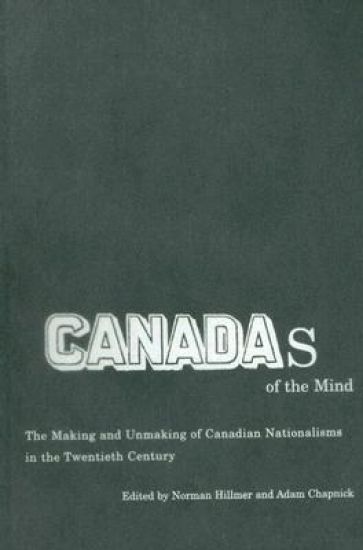
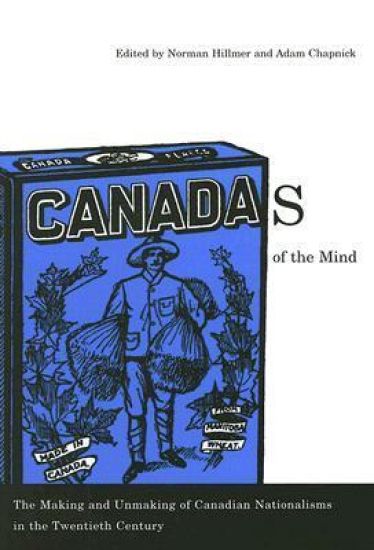
An interdisciplinary exploration of the meanings, uses, and contradictions of nationalism, critical to contemporary understandings of Canada and Canadians.
Canadas of the Mind

Canadas of the Mind

Norman Hillmer; Adam Chapnick

McGill-Queen's University Press
2007
nidottu
An interdisciplinary exploration of the meanings, uses, and contradictions of nationalism, critical to contemporary understandings of Canada and Canadians.
The Middle Power Project

The Middle Power Project

Adam Chapnick

University of British Columbia Press
2006
pokkari
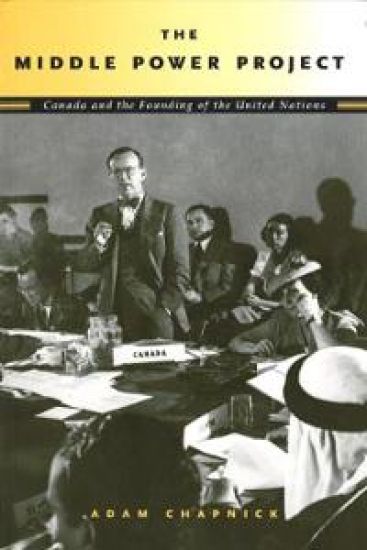
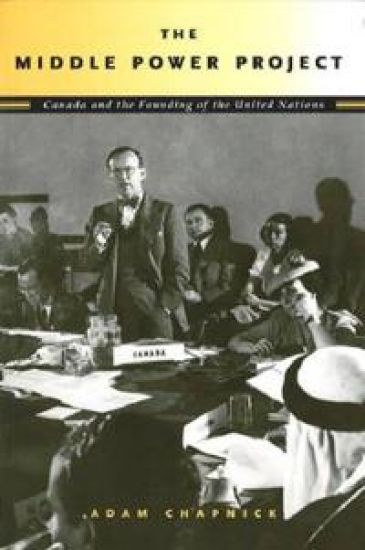
The Middle Power Project describes a defining period of Canadian and international history. During the Second World War, Canada transformed itself from British dominion to self-proclaimed middle power. It became an active, enthusiastic, and idealistic participant in the creation of one of the longest lasting global institutions of recent times – the United Nations. This was, in many historians' opinions, the beginning of a golden age in Canadian diplomacy. Chapnick suggests that the golden age may not have been so lustrous. During the UN negotiations, Canadian policymakers were more cautious than idealistic. The civil service was inexperienced and often internally divided. Canada's significant contributions were generally limited to the much neglected economic and social fields. Nevertheless, creating the UN changed what it meant to be Canadian. Rightly or wrongly, from the establishment of the UN onwards, Canadians would see themselves as leading internationalists. Based on materials not previously available to Canadian scholars, The Middle Power Project presents a critical reassessment of the traditional and widely accepted account of Canada's role and interests in the formation of the United Nations. It will be be read carefully by historians and political scientists, and will be appreciated by general readers with an interest in Canadian and international history.
The Middle Power Project

The Middle Power Project

Adam Chapnick

University of British Columbia Press
2005
sidottu
The Middle Power Project describes a defining period of Canadian and international history. During the Second World War, Canada transformed itself from British dominion to self-proclaimed middle power. It became an active, enthusiastic, and idealistic participant in the creation of one of the longest lasting global institutions of recent times – the United Nations. This was, in many historians' opinions, the beginning of a golden age in Canadian diplomacy. Chapnick suggests that the golden age may not have been so lustrous. During the UN negotiations, Canadian policymakers were more cautious than idealistic. The civil service was inexperienced and often internally divided. Canada's significant contributions were generally limited to the much neglected economic and social fields. Nevertheless, creating the UN changed what it meant to be Canadian. Rightly or wrongly, from the establishment of the UN onwards, Canadians would see themselves as leading internationalists. Based on materials not previously available to Canadian scholars, The Middle Power Project presents a critical reassessment of the traditional and widely accepted account of Canada's role and interests in the formation of the United Nations. It will be be read carefully by historians and political scientists, and will be appreciated by general readers with an interest in Canadian and international history.