
Kirjojen hintavertailu – 12 903 725 kirjaa ja 27 kauppaa

Kirjailija

Adam Crittenden

Kirjat ja teokset yhdessä paikassa: 2 kirjaa, julkaisuja vuosilta 2016–2023, suosituimpiin kuuluu Writing the Self-Elegy. Vertaile teosten hintoja ja tarkista saatavuus suomalaisista kirjakaupoista.

2 kirjaa

Kirjojen julkaisuvuodet: 2016–2023.

Writing the Self-Elegy

Writing the Self-Elegy

Teresa Leo; Jennifer McCauley; John Chavez; Kasey Jueds; Catherine Kyle; Adam Crittenden; Rigoberto Gonzalez; Kyle McCord; Jane Wong; Naomi Ortiz; Denise Leto; Carol Berg; Kristy Bowen; Floydd Michael Elliot; Jehanne Dubrow; Carl Phillips; Bruce Bond; Kevin Prufer; Rusty Morrison; Sheila Black; Lauren Berry; Anne Kaier; TC Tolbert; Raymond Luczak; Stephanie Heit; Juliet Cook; Tanaya Winder

SOUTHERN ILLINOIS UNIVERSITY PRESS
2023
nidottu
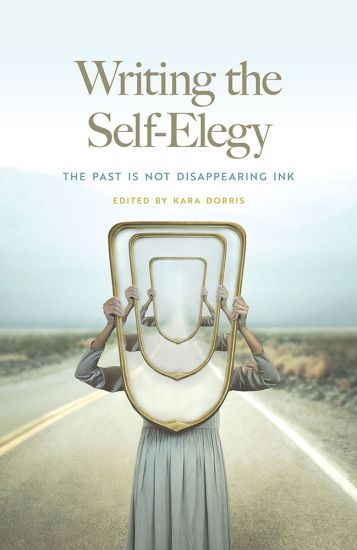
An innovative roadmap to facing our past and present selves Honest, aching, and intimate, self-elegies are unique poems focusing on loss rather than death, mourning versions of the self that are forgotten or that never existed. Within their lyrical frame, multiple selves can coexist—wise and nai¨ve, angry and resigned—along with multiple timelines, each possible path stemming from one small choice that both creates new selves and negates potential selves. Giving voice to pain while complicating personal truths, self-elegies are an ideal poetic form for our time, compelling us to question our close-minded certainties, heal divides, and rethink our relation to others. In Writing the Self-Elegy, poet Kara Dorris introduces us to this prismatic tradition and its potential to forge new worlds. The self-elegies she includes in this anthology mix autobiography and poetics, blending craft with race, gender, sexuality, ability and disability, and place—all of the private and public elements that build individual and social identity. These poems reflect our complicated present while connecting us to our past, acting as lenses for understanding, and defining the self while facilitating reinvention. The twenty-eight poets included in this volume each practice self-elegy differently, realizing the full range of the form. In addition to a short essay that encapsulates the core value of the genre and its structural power, each poet’s contribution concludes with writing prompts that will be an inspiration inside the classroom and out. This is an anthology readers will keep close and share, exemplifying a style of writing that is as playful as it is interrogative and that restores the self in its confrontation with grief.
Blood Eagle

Blood Eagle

Adam Crittenden

Gold Wake Press Collective
2016
nidottu
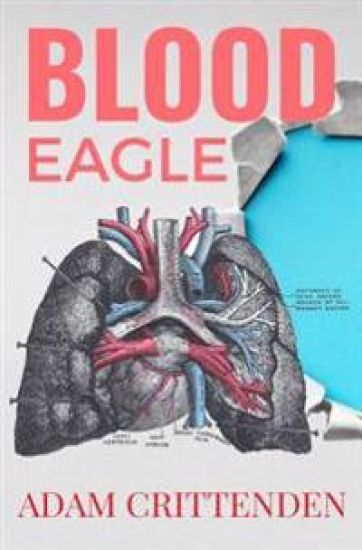
Joshua McKinney: "I had not thought death had undone so many," Dante said upon entering the underworld; six centuries later, Eliot quoted him in The Waste Land. In Blood Eagle, Adam Crittenden traces the reverberation of such awe through the underworld of our own time, where bodies are vivisected, beset by parasites, and torn asunder by personal apocalypse. At times both surreal and mundane, Crittenden's dark lyrics navigate through strip clubs and apartment caves, dance parties and Disneyland, witnessing the detritus of late empire, a culture ready "for divination, but not ready / for the divination to be true." In this powerful, often unsettling book, Crittenden seeks the truth through unflinching engagement with word, world, and mind. With Blood Eagle, he becomes our guide in a quest for what is really real." Peter Grandbois: In Blood Eagle, Adam Crittenden's moving and complex collection, the narrator cries, "What I wouldn't give for a little death," which in the world of Crittenden's fascinating poems means: what I wouldn't give to feel, what I wouldn't give to understand, what I wouldn't give to be human, for how can we be human when "all we've ever done is pretend." These poems read as if written "on the glass with bloody fingernails." They are painful, sometimes frightening, and always interesting. Carmen Gim nez-Smith: Adam Crittenden's answer to 21st century vulnerability is intertextuality, remaking capital-P poetry after his literary forebears. The poems of BLOOD EAGLE embrace artifice in order to burst through it into a poetics of difficult intimacy. Of a Davy Crockett reenactor, the speaker supposes "once he's upset, he gets more upset / with himself," and his lover quickly corrects his assumption. Still, this "human piece / of glitter" takes comfort in abrupt reminders of his destiny to make mistakes, and remains seduced by the world's wildness and resiliency.