Kirjojen hintavertailu – 12 903 742 kirjaa ja 27 kauppaa

Kirjailija

Adam D. Dixon

Kirjat ja teokset yhdessä paikassa: 7 kirjaa, julkaisuja vuosilta 2013–2026, suosituimpiin kuuluu Sovereign Wealth Funds. Vertaile teosten hintoja ja tarkista saatavuus suomalaisista kirjakaupoista.

7 kirjaa

Kirjojen julkaisuvuodet: 2013–2026.

Sovereign Wealth Funds

Sovereign Wealth Funds

Gordon L. Clark; Adam D. Dixon; Ashby H.B. Monk

Princeton University Press
2013
sidottu
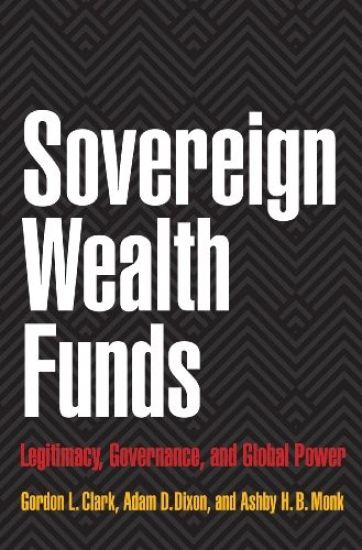
The worldwide rise of sovereign wealth funds is emblematic of the ongoing transformation of nation-state economic prospects. Sovereign Wealth Funds maps the global footprints of these financial institutions, examining their governance and investment management, and issues of domestic and international legitimacy. Through a variety of case studies--from the China Investment Corporation to the funds of several Gulf states--the authors show that the forces propelling the adoption and development of sovereign wealth funds vary by country. The authors also show that many of these investment institutions have identifiable commonalities of form and function that match the core institutions of Western financial markets. The authors suggest that the international legitimacy of sovereign wealth funds is based on the degree to which their design and governance match Western expectations about investment management. Undercutting commonplace assumptions about the emerging world of the twenty-first century, the authors demonstrate that even small countries with large and globally oriented sovereign wealth funds are likely to play a significant role in international relations. Sovereign Wealth Funds considers how such financial organizations have altered not only the face of finance, but also the international geopolitical landscape.
Fronesis 90-91. Staten

Fronesis 90-91. Staten

Branko Milanovic; Philip Abrams; James C. Scott; Ilias Alami; Adam D. Dixon; Margaret Pearson; Meg Rithmire; Kellee S. Tsai; Evelina Johansson Wilén; Hugo Lundberg; Mikael Omstedt; Vanja Carlsson; Andreas Asplén Lundstedt

Arkiv förlag/A-Z förlag
2026
Vihko
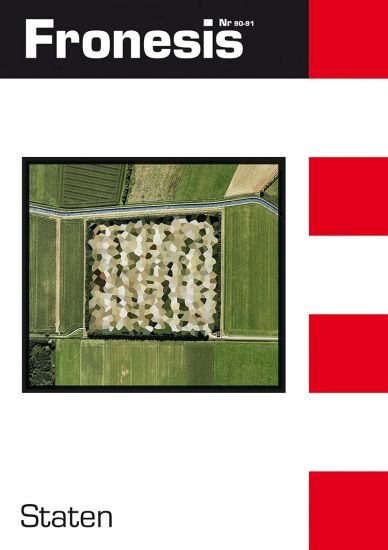
Samhällskriser som pandemin, inflationschocker, en alltmer ansträngd välfärd och geopolitiska spänningar har under de senaste åren omförhandlat relationen mellan staten och andra samhällsaktörer. Nyliberalismen ifrågasätts och statliga interventioner ökar, men inte genom utbyggd välfärd. I stället växer den repressiva statsapparaten och satsningar på försvar, polis och gränskontroll expanderar snabbt. Globaliseringens tillbakagång och stormakters omfattande stöd till inhemska företag markerar samtidigt nationalstatens återkomst. Internationella institutioner som FN och WTO försvagas, medan tech- och finanssektorns politiska inflytande snarare har stärkts. Dagens politiska konflikter handlar därför allt mindre om valet mellan offentligt och privat. I stället har motsättningarna flyttat in i staten själv: det råder bred samsyn om att staten bör spela en stark roll, men oenighet om vad denna roll ska innebära. Frågan är inte längre om staten ska vara stark, utan hur. I Fronesis nummer 90–91 riktas blicken mot denna utveckling och mot de motsägelsefulla riktningar den tar. Statens förändrade roller undersöks ur två övergripande perspektiv. Det ena rör statens kapacitet att organisera, kontrollera och forma vardagslivet. Det andra gäller statens natur och relation till kapitalismen. Sedan den globala finanskrisen 2008 har intresset för statens roll, kapacitet och begränsningar vuxit inom såväl samhällsdebatt som forskning. Med detta nummer vill Fronesis bidra till den pågående renässansen för diskussioner om staten och kapitalet genom texter som ur historiska och samtida perspektiv utforskar statens räckvidd, dess gränser och dess relation till ekonomi, lag och folk. Den serbisk-amerikanske ekonomen Branko Milanovic analyserar övergången från nyliberal globalisering till en mer merkantilistisk världsordning. De amerikanska statsvetarna Margaret Pearson, Meg Rithmire och Kellee S. Tsai undersöker Kinas politiska ekonomi som en auktoritär form av statskapitalism. Förvaltningsforskaren Andreas Asplén Lundstedt analyserar folkbokföringens historia som både välfärdsinstrument och kontrollverktyg i den moderna staten. Genusvetaren Evelina Johansson Wilén undersöker hur samtidens debatt om låga födelsetal präglas av moral, skuld och politiska konflikter kring reproduktion. Juristen Hugo Lundberg diskuterar staten som en historiskt specifik form för kapitalismens sociala relationer. I numret medverkar även James C. Scott, Mikael Omstedt, Ilias Alami, Adam D. Dixon, Vanja Carlsson och Philip Abrams.
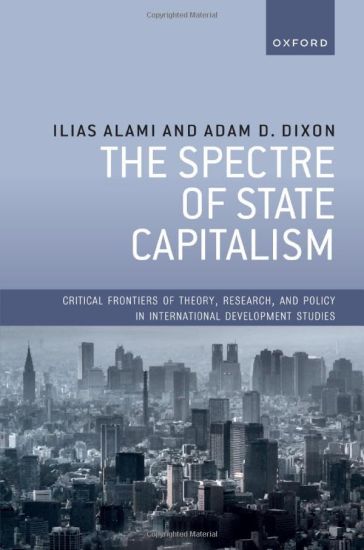
The Spectre of State Capitalism

The Spectre of State Capitalism

Ilias Alami; Adam D. Dixon

Oxford University Press
2024
sidottu

Halvin toimitettuna 149,40 €

The state is back, and it means business. Since the turn of the 21st century, state-owned enterprises, sovereign funds, and policy banks have vastly expanded their control over assets and markets. Concurrently, governments have experimented with increasingly assertive modalities of statism, from techno-industrial policies and spatial development strategies to economic nationalism and trade and investment restrictions. This book argues that we are currently witnessing a historic arc in the trajectories of state intervention, characterized by a drastic reconfiguration of the state's role as promoter, supervisor, shareholder-investor, and direct owner of capital across the world economy. It offers a comprehensive analysis of this “new state capitalism”, as commentators increasingly refer to it, and maps out its key empirical manifestations across a range of geographies, cases, and issue areas. Alami and Dixon show that the new state capitalism is rooted in deep geopolitical economic and financial processes pertaining to the secular development of global capitalism, as much as it is the product of the geoeconomic agency of states and the global corporate strategies of leading firms. The book demonstrates that the proliferation of muscular modalities of statist interventionism and the increasing concentration of capital in the hands of states indicate foundational shifts in global capitalism. This includes a growing fusion of private and state capital, and the development of flexible and liquid forms of property that collapse the distinction between state and private ownership, control, and management. This has fundamental implications for the nature and operations of global capitalism and world politics. This is an open access title available under the terms of a CC BY-NC-ND 4.0 International licence. It is free to read on the Oxford Academic platform and offered as a free PDF download from OUP and selected open access locations.
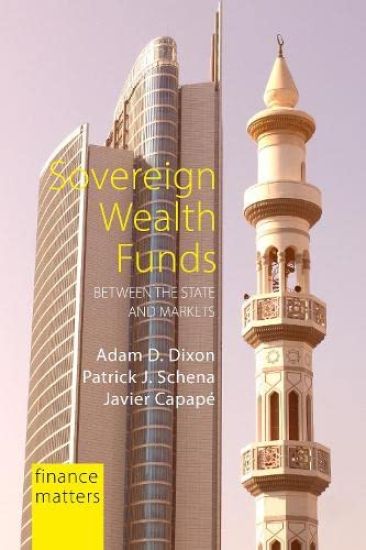
Sovereign Wealth Funds

Sovereign Wealth Funds

Adam D. Dixon; Patrick J. Schena; Javier Capapé

Agenda Publishing
2022
sidottu
What constitutes a sovereign wealth fund is contested. In general, however, it is a state-sponsored institutional investor that is answerable only to the state and makes investments according to the interests and mandate of that state. Different types of funds have emerged in the context of particular economic conjunctures, and over the last decade the number of sovereign wealth funds has grown substantially, with total assets exceeding $7 trillion. This trend is set to continue, as more and more countries look to establish an SWF. The place of SWFs in global financial markets may appear settled, but this does not mean that concerns about "state capital" and its place in financial markets has gone away. This short book offers an incisive discussion of the development of this class of investor, how they have become legitimate actors in global financial markets, and their role as providers of capital and in economic development at home and abroad.
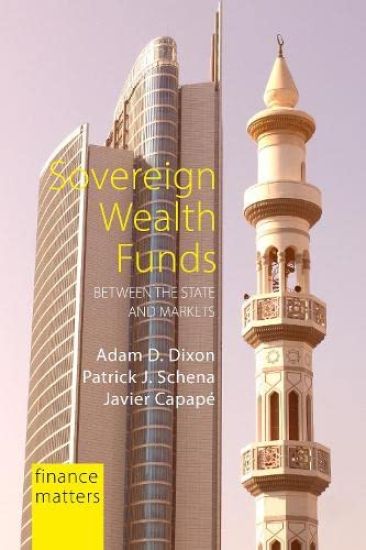
Sovereign Wealth Funds

Sovereign Wealth Funds

Adam D. Dixon; Patrick J. Schena; Javier Capapé

Agenda Publishing
2022
nidottu
What constitutes a sovereign wealth fund is contested. In general, however, it is a state-sponsored institutional investor that is answerable only to the state and makes investments according to the interests and mandate of that state. Different types of funds have emerged in the context of particular economic conjunctures, and over the last decade the number of sovereign wealth funds has grown substantially, with total assets exceeding $7 trillion. This trend is set to continue, as more and more countries look to establish an SWF. The place of SWFs in global financial markets may appear settled, but this does not mean that concerns about "state capital" and its place in financial markets has gone away. This short book offers an incisive discussion of the development of this class of investor, how they have become legitimate actors in global financial markets, and their role as providers of capital and in economic development at home and abroad.
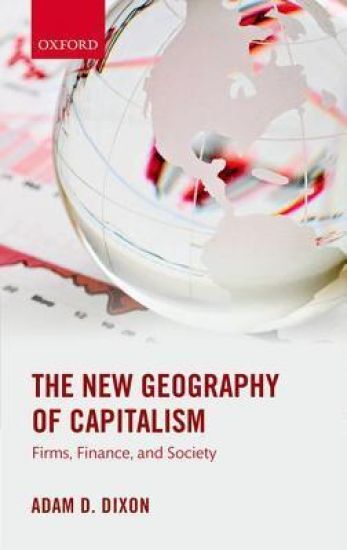
The New Geography of Capitalism

The New Geography of Capitalism

Adam D. Dixon

Oxford University Press
2014
sidottu
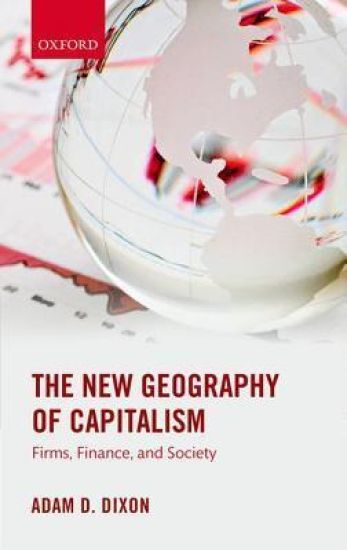
Globalization is a dominant feature and force in the contemporary world, impacting all areas of business, economics, and society. This accessibly written overview of contemporary capitalism shows how the development of global supply chains, the global division of labour, and, in particular, the globalization of financial markets have become the drivers of this process, and assesses the consequences. Not only does this affect the way firms operate, it also presents challenges for the nation state. The changing geography of capitalism underpinned by an expanding global division of labour and the integration of financial markets has undercut the bordering logics necessary for the maintenance of national systems of production, national varieties of capitalism, and national systems of social protection. Reviewing a range of debates and theories across the contemporary social sciences - varieties of capitalism, financialization, global production networks - the book shows how the insights of economic geography can be usefully brought to bear in understanding current trends, and the changing relationships between global financial markets, multinational firms, and contemporary welfare states. Wide-ranging, accessibly written, and inter-disciplinary, this short book is a most useful guide for researchers and students across the social sciences.
The New Geography of Capitalism

The New Geography of Capitalism

Adam D. Dixon

Oxford University Press
2014
nidottu
Globalization is a dominant feature and force in the contemporary world, impacting all areas of business, economics, and society. This accessibly written overview of contemporary capitalism shows how the development of global supply chains, the global division of labour, and, in particular, the globalization of financial markets have become the drivers of this process, and assesses the consequences. Not only does this affect the way firms operate, it also presents challenges for the nation state. The changing geography of capitalism underpinned by an expanding global division of labour and the integration of financial markets has undercut the bordering logics necessary for the maintenance of national systems of production, national varieties of capitalism, and national systems of social protection. Reviewing a range of debates and theories across the contemporary social sciences - varieties of capitalism, financialization, global production networks - the book shows how the insights of economic geography can be usefully brought to bear in understanding current trends, and the changing relationships between global financial markets, multinational firms, and contemporary welfare states. Wide-ranging, accessibly written, and inter-disciplinary, this short book is a most useful guide for researchers and students across the social sciences.