Kirjojen hintavertailu – 12 876 611 kirjaa ja 26 kauppaa

Kirjailija

Adam Gaiser

Kirjat ja teokset yhdessä paikassa: 4 kirjaa, julkaisuja vuosilta 2010–2026, suosituimpiin kuuluu Jews, Christians, Muslims. Vertaile teosten hintoja ja tarkista saatavuus suomalaisista kirjakaupoista.

4 kirjaa

Kirjojen julkaisuvuodet: 2010–2026.

Jews, Christians, Muslims

Jews, Christians, Muslims

John Corrigan; Carlos M. N. Eire; Judith R. Baskin; Adam Gaiser; Megan Leverage

TAYLOR FRANCIS LTD
2026
sidottu
Jews, Christians, Muslims: A Comparative Introduction to Monotheistic Religions compares Judaism, Christianity, and Islam using seven common themes which are equally relevant to each tradition. Designed to provoke critical thinking, this text addresses the cultural frameworks of religious meanings and explores the similarities and differences among Judaism, Christianity, and Islam as it explains the ongoing process of interpretation in each religion. The following themes are covered in each religion: Scripture and Tradition Monotheism Authority Worship and Ritual Ethics Material Culture The Political Order Gender, Sex and Family This third edition is fully updated throughout with a new introduction exploring religious diversity, new discussions of gender, sex, and family integrated into previous sections, detailed analysis of religious ethics covering topics such as war, the environment, and capital punishment, discussion of global aspects of monotheism such as missionizing, imperialism, and postcolonialism, and new images and inset text boxes to help guide students and instructors. The book is an ideal resource for anyone wanting an accessible and comprehensive introduction to Western and World Religions.
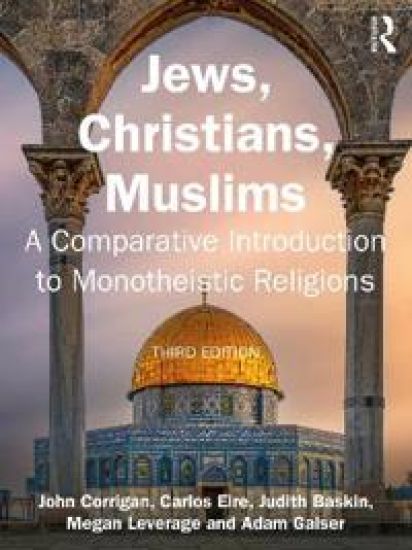
Jews, Christians, Muslims

Jews, Christians, Muslims

John Corrigan; Carlos M. N. Eire; Judith R. Baskin; Adam Gaiser; Megan Leverage

TAYLOR FRANCIS LTD
2026
nidottu
Jews, Christians, Muslims: A Comparative Introduction to Monotheistic Religions compares Judaism, Christianity, and Islam using seven common themes which are equally relevant to each tradition. Designed to provoke critical thinking, this text addresses the cultural frameworks of religious meanings and explores the similarities and differences among Judaism, Christianity, and Islam as it explains the ongoing process of interpretation in each religion. The following themes are covered in each religion: Scripture and Tradition Monotheism Authority Worship and Ritual Ethics Material Culture The Political Order Gender, Sex and Family This third edition is fully updated throughout with a new introduction exploring religious diversity, new discussions of gender, sex, and family integrated into previous sections, detailed analysis of religious ethics covering topics such as war, the environment, and capital punishment, discussion of global aspects of monotheism such as missionizing, imperialism, and postcolonialism, and new images and inset text boxes to help guide students and instructors. The book is an ideal resource for anyone wanting an accessible and comprehensive introduction to Western and World Religions.
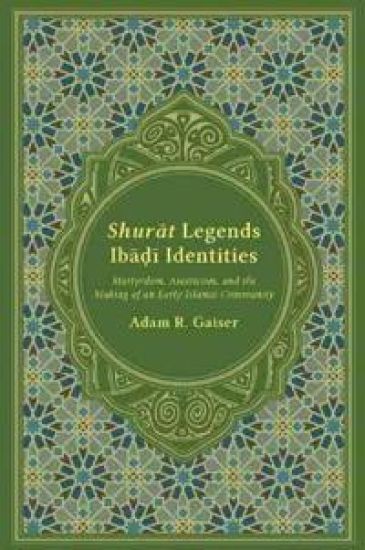
Shurat Legends, Iba?i Identities

Shurat Legends, Iba?i Identities

Adam Gaiser

University of South Carolina Press
2016
sidottu
In Shurat Legends, Ibadi Identities, Adam Gaiser explores the origins and early development of Islamic notions of martyrdom and of martyrdom literature. He examines the catalogs or lists of martyrs (martyrologies) of the early shurat (Kharijites) in the context of late antiquity, showing that shurat literature, as it can be reconstructed, shares continuity with the martyrologies of earlier Christians and other religious groups, especially in Iraq, and that this powerful literature was transmitted by seventh– century shurat through their successors, the Ibadiyya. Gaiser examines the sources of poems and narratives as quasi-historical accounts and their application in literary creations designed to meet particular communal needs, in particular, the need to establish and shape identity. Gaiser shows how these accounts accumulated traits—such as all-night prayer vigils, stoic acceptance of death, and miracles-—of a wider ascetic and apocalyptic literature in the eighth century, including martyrdom narratives of Eastern Christianity. By establishing focal points of piety around which a communal identity could be fashioned, such accounts proved suitable for use in missionary activity in North Africa and the Arabian Peninsula. Gaiser also documents the reshaping of these narratives for more quietist purposes: emphasizing moderated rather than violent action, diplomacy, and respect for other Islamic sects as also being monotheistic, rather than condemning them as sinful. Along with refashioning narratives, Gaiser details the Ibadi efforts to compile collections into genealogies, both biographical dictionaries and lineages of the true faith linking individuals and communities to local saints and martyrs. He also shows how this more nuanced history led to the formation of rules and authorities governing the shurat. Employing rarely examined manuscript materials to shed light on such processes as identity formation and communal boundary maintenance, Gaiser traces the course by which this martyrdom literature and its potentially dangerous implications came to be institutionalized, contained, and controlled.
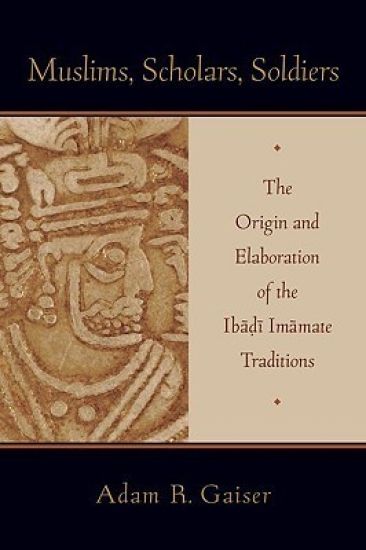
Muslims, Scholars, Soldiers

Muslims, Scholars, Soldiers

Adam Gaiser

Oxford University Press Inc
2010
sidottu
A study of the origin and development of the Ibadi Imamate ideal into its medieval Arabian and North African articulations, this study traces the distinctive features of the Ibadi imama to precedents among the early Kharijites, Rashidun Caliphs and pre-Islamic Arabs. Using the four ¨states of religion¨ (masalik al-din) as an organizing principle for its chapters, the book examines the four associated Imam-types that are appropriate to such states - the Imam al-Zuhur (Imam of Manifestation), Imam al-Difa'a (Imam of Defense), Imam al-Shari (the ¨Seller¨ Imam who triumphed over his enemies or ¨sold¨ himself to God in the attempt) and Imam al-Kitman (Imam of Secrecy) - and locates each Imam-type within a trajectory of Ibadi development. Some distinctive features of the Ibadi Imamate tradition, such as the shari Imam who selflessly fought for the establishment of the Ibadi polity, are shown to be rooted in the early Kharijite martyrdom narratives that were appropriated by the Ibadiyya and later transformed into systematic doctrines. Still others, such as the ¨weak¨ Imam who accepted provisional authority under the control of the 'ulama` hearken back to pre-Islamic patterns of limited authority that subsequently found their way into early Islamic political norms. Working from a perspective that challenges the ëxceptional¨ interpretation of Kharijite and Ibadite doctrine and practice, this study seeks to root much of Ibadi political theory in the same early traditions of Islamic political practice that later provided legitimacy to Sunni Muslim political theorists. The result is a historically grounded and complex presentation of the development of political doctrine among the sole remaining relative of the early Kharijites.