Kirjojen hintavertailu – 12 903 725 kirjaa ja 27 kauppaa
Kirjailija
Adi Kuntsman
Kirjat ja teokset yhdessä paikassa: 6 kirjaa, julkaisuja vuosilta 2012–2024, suosituimpiin kuuluu Digital Technologies, Smart Cities, and the Environment. Vertaile teosten hintoja ja tarkista saatavuus suomalaisista kirjakaupoista.
The concept of smart cities holds environmental promises: that digital technologies will reduce carbon emissions, air pollution and waste, and help address climate change. Drawing on academic scholarship and two case studies from Manchester and Helsinki, this timely and accessible book examines what happens when these promises are broken, as they prioritise technological innovation rather than environmental care. The book reveals that smart cities’ vision of sustainable digital future obfuscates the environmental harms and social injustices that digitisation inflicts. The framework of “broken promises”, coined by the authors, centres environmental questions in analysing imaginaries and practices of smart cities. This is a must read for anyone interested in the connections between digital technologies and environment justice.
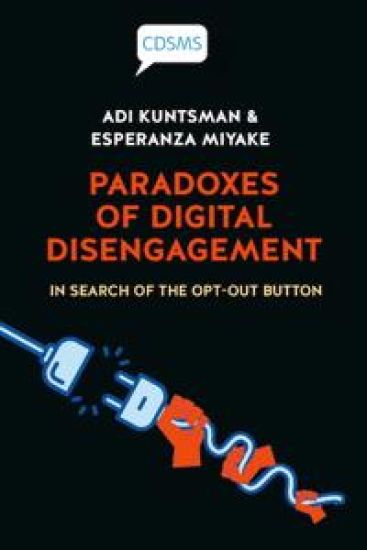
“The digital now thoroughly saturates our everyday lives to the point where it seems we are drowning. But is it possible to swim on our terms? This book thoughtfully examines this question, critically teasing apart the structures of power that permeate digital relations and charting pathways to a more just digital world. Essential reading for those who want to move beyond personal digital detoxes to challenge and transform our digital society and economy.” - Professor Rob Kitchin, author of The Data Revolution and Data Lives“The seductions of tech have ushered in the encroachment of technological solutions into policing, law enforcement and ever-widening systems of social regulation across the UK and Europe. This book marks a critical intervention – by conceptualising our understanding of the ways in which data and digital harms are systemically expended against the powerless. It is a must read for those of us who are concerned to resist the (digital) exclusion of the marginalised, and the (digital) banishment of the vulnerable.” - Dr Patrick Williams, author of Data-Driven Policing: The Hardwiring of Discriminatory Policing Practices Across Europe“While imaginaries of techno futures constructed by the Digital Lords of contemporary societies become self-fulfilling prophecies, we struggle to imagine a present and future free from digital coercion and exclusion. In their powerful interdisciplinary analysis, Adi Kuntsman and Esperanza Miyake delve into the personal, social, political and environmental costs of compulsory digitality. Rejecting a self-defeating naturalisation of digitality and digital inevitability Paradoxes of Digital Disengagement compellingly shows how collective digital justice is imperative in this future/present where the machine rules and people can become marginalized and excluded. A much-needed scholarly intervention that can inspire our collective thinking, research and praxis.” - Dr Benedetta Brevini, author of Is AI Good for the Planet? Life is increasingly governed and mediated through digital and smart technologies, platforms, big data and algorithms. However, the reasons, practices and impact of how the digital is used by different institutions are often deeply linked to social oppression and injustice. Similarly, the ability to resist these digital impositions is based on inequality and privilege. Challenging the ways in which we are increasingly dependent on the digital, this book raises a set of provocative and urgent questions: in a world of compulsory digitality is there an opt out button? Where, when, how, why and to whom is it available? Answering these questions has become even more relevant since the COVID-19 pandemic. In response, the book puts forward the concept of ‘digital disengagement’ which is explored across six key areas of digitisation: health; citizenship; education; consumer culture; labour; and the environment. Part I examines the difficulty of opting out of compulsory digitality in a world where most things are digital by default. From health apps, algorithmic decision-making to learning analytics, opting out comes with a set of troubling consequences. Part II turns to several examples of disconnection and disengagement. The chapters reveal how phenomena like digital detoxes, time-management apps and online ‘green’ spaces are co-opted by the very digital systems one is trying to resist. The book critiques issues relating to digital surveillance, algorithmic discrimination and biased tech, corporatisation and monetisation of data, exploitative digital labour, digitalised self-discipline and destruction of the environment. As an interdisciplinary piece of work, the book will be useful to any scholar and activist in Digital, Internet and Social Media Studies; Digital Sociology and Social Policy; Digital Health; Media, Popular and Communication Studies; Consumer culture; and Environment Studies.
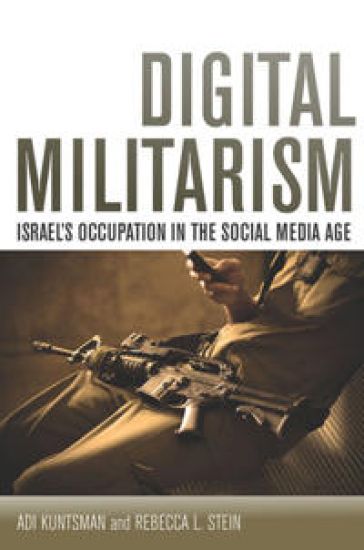
Israel's occupation has been transformed in the social media age. Over the last decade, military rule in the Palestinian territories grew more bloody and entrenched. In the same period, Israelis became some of the world's most active social media users. In Israel today, violent politics are interwoven with global networking practices, protocols, and aesthetics. Israeli soldiers carry smartphones into the field of military operations, sharing mobile uploads in real-time. Official Israeli military spokesmen announce wars on Twitter. And civilians encounter state violence first on their newsfeeds and mobile screens. Across the globe, the ordinary tools of social networking have become indispensable instruments of warfare and violent conflict. This book traces the rise of Israeli digital militarism in this global context—both the reach of social media into Israeli military theaters and the occupation's impact on everyday Israeli social media culture. Today, social media functions as a crucial theater in which the Israeli military occupation is supported and sustained.
Israel's occupation has been transformed in the social media age. Over the last decade, military rule in the Palestinian territories grew more bloody and entrenched. In the same period, Israelis became some of the world's most active social media users. In Israel today, violent politics are interwoven with global networking practices, protocols, and aesthetics. Israeli soldiers carry smartphones into the field of military operations, sharing mobile uploads in real-time. Official Israeli military spokesmen announce wars on Twitter. And civilians encounter state violence first on their newsfeeds and mobile screens. Across the globe, the ordinary tools of social networking have become indispensable instruments of warfare and violent conflict. This book traces the rise of Israeli digital militarism in this global context—both the reach of social media into Israeli military theaters and the occupation's impact on everyday Israeli social media culture. Today, social media functions as a crucial theater in which the Israeli military occupation is supported and sustained.
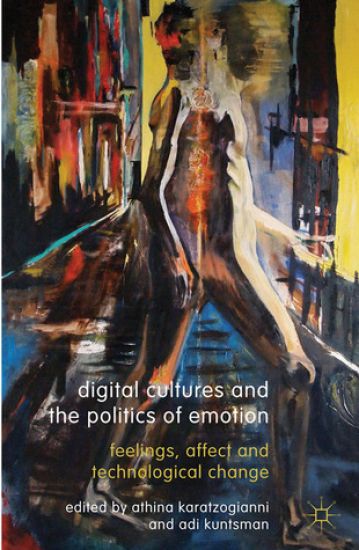
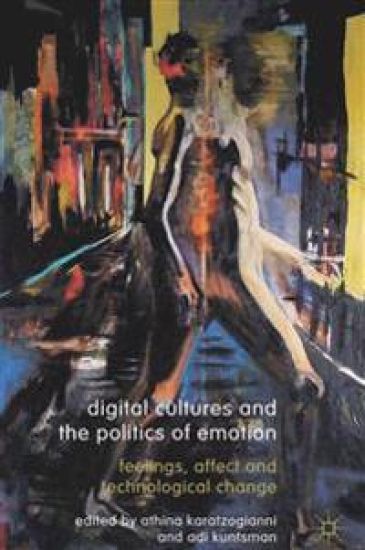
Fifteen thought-provoking essays engage in an innovative dialogue between cultural studies of affect, feelings and emotions, and digital cultures, new media and technology. The volume provides a fascinating dialogue that cuts across disciplines, media platforms and geographic and linguistic boundaries.
Fifteen thought-provoking essays engage in an innovative dialogue between cultural studies of affect, feelings and emotions, and digital cultures, new media and technology. The volume provides a fascinating dialogue that cuts across disciplines, media platforms and geographic and linguistic boundaries.