Kirjojen hintavertailu – 12 903 735 kirjaa ja 27 kauppaa
Kirjailija
Adrian Hughes
Kirjat ja teokset yhdessä paikassa: 6 kirjaa, julkaisuja vuosilta 2017–2026, suosituimpiin kuuluu Quirky Llandudno. Vertaile teosten hintoja ja tarkista saatavuus suomalaisista kirjakaupoista.
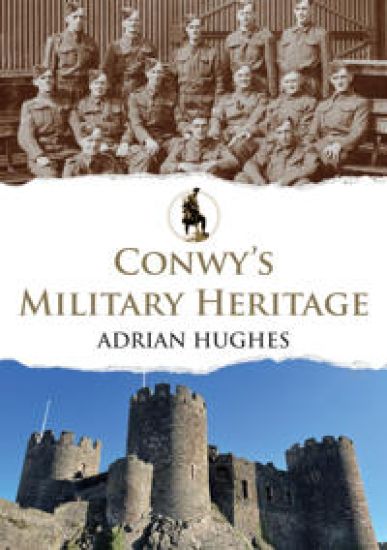
Conwy has been involved in military conflict for over 2,000 years. The Iron Age hill fort of Caer Seion defended the area from the sixth century BC. Many slingshot stones have been discovered here, attesting to troubled times. In 881 the Welsh defeated an Anglo-Saxon army led by Aethelred of Mercia. The most spectacular outcome of Conwy’s strategic military significance at the mouth of the River Conwy was Edward I’s mighty castle, creating a walled town. In 1399 Richard II sought refuge in Conwy Castle against the future Henry IV’s forces and the castle was besieged again during the English Civil War by Parliamentary forces. An army camp was established at Morfa in the nineteenth century, becoming home to the Salford Pals and the Royal Engineers in the First World War and a Polish resettlement camp after the First World War. During the war, the sulphur mine at Caer Coch was the country’s largest producer of sulphur, vital for munitions. Conwy also played a vital role in the Second World War as Mulberry Harbours, crucial for the Normandy landings, were initially designed and then assembled here, and Ratcliffe Engineering built parts for Beaufighter and Halifax aircraft. The town was also a centre of prisoner-of-war camps in the area and despite some accounts of conflict between townsfolk and prisoners, relations were generally harmonious and some ex-prisoners married and settled in the area after the war. This book will be of interest to all those who would like to know more about Conwy’s remarkable military history.
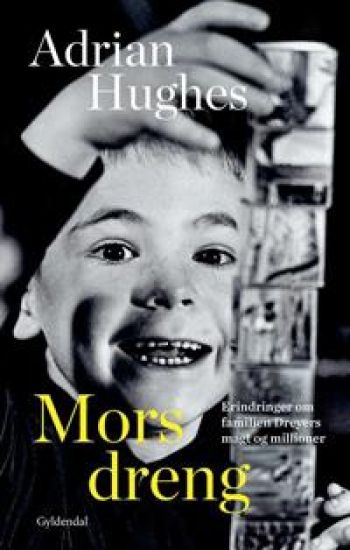
Adrian Hughes’ morfar, byggematadoren Thorvald Dreyer, er Frederiksbergs svar på Citizen Kane. Adrians mor voksede op som millionærbarn, men endte sit liv ensom, bitter og alkoholiseret og svinede sine egne børn til i sit afskedsbrev. For at forstå sin mor går Adrian Hughes på jagt i morfarens liv og finder forfalskede graviditeter, hemmelige adoptioner og mystiske dødsfald i glamourøse omgivelser. Det er historien om intriger, følelsesmæssig kulde, voldsomt had og kampen om en formue, der endte i en fond. I sommeren 2021 hørte flere end 350.000 podcasten Mors afskedsbrev af Adrian Hughes. I bogen MORS DRENG lægger han flere lag på historien med billeder fra familiens albums og med nye kilder.
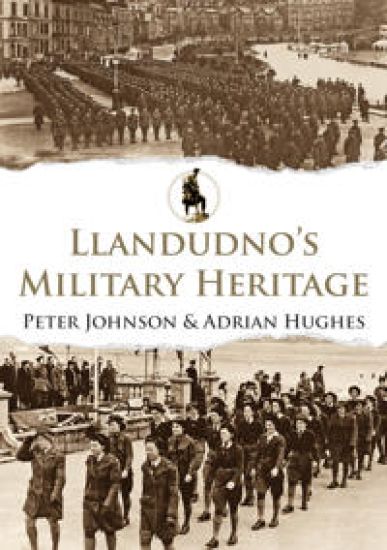
The north Wales seaside resort of Llandudno developed in the 1850s from a scatter of small settlements on the slopes of the Great Orme. The Iron Age defences of Pen Dinas hill fort and the presence of Roman coin hoards suggest local military conflict, and skirmishes are recorded from the time of the Vikings. In later centuries the focus for military activity stretches a mile or so down the Conwy Valley to the castles of Deganwy and battles between Welsh and English. Llandudno became embroiled in the invasion of Edward I when he gave the Bishop of Bangor land on the Great Orme to build a ‘palace’. This was sacked in Owain Glyndwr’s revolt of the early 1400s. With the rise of Britain’s empire copper was mined, partly to provide cladding for the wooden-hulled ships of her navy. By the twentieth century significant military training establishments were based in the area, as were prisoner-of-war camps and convalescent homes for military personnel. In 1915 a German U-boat attempted to pick up escaped POWs in Llandudno Bay, and the town was chosen as the new location for the Royal Artillery’s Coast Artillery School and the Inland Revenue. In Llandudno’s Military Heritage authors Peter Johnson and Adrian Hughes cover all this and more, showing the impact that the military has had on this north Wales town, its combatants and its citizens over the centuries.
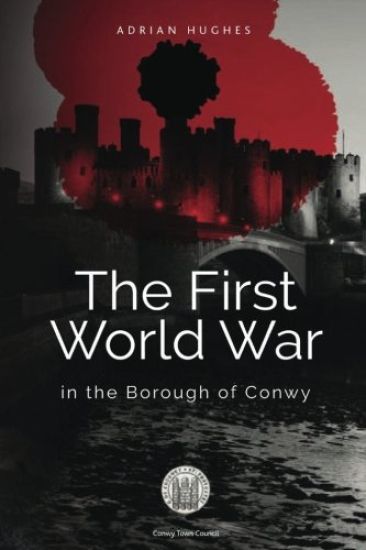
Full colour version: In the four years it lasted the Great War caused the deaths of eight million men. It saw the collapse of three empires - Germany, Austro-Hungary and Russia. This was the first industrial war, with major technological advances, mass production and the general mobilisation of all human and economic resources. it is not surprising that the war had a major impact on our semi-rural bilingual community in north-west Wales. We are grateful to Deganwy resident Adrian Hughes for his detailed research published here. He has not given us an 'officers' war', but a sober account of the war's impact on both enlisted men and civilians and shows how the conflict impacted on our local landscape. This booklet is based on a talk given by Adrian Hughes in Llandudno Junction in September 2017. Now is a fitting time to reflect on the many ways in which Deganwy, Conwy and Llandudno Junction contributed to the war effort and were affected by it. In memory of those local young men who lost their lives, we have taken the opportunity of this anniversary to make their names and some of their stories known and available to all. The names of young men from the borough of Conwy do not appear together on any plaque or memorial, and are printed here lest we forget. Those who died were, of course, brothers, husbands, fathers, sons. Adrian Hughes's work illustrates the complex and conflicting nature of war, its capacity to elicit destructive instincts, as well as great examples of co-operation, courage, heroism, and camaraderie.* The proceeds from sale of this booklet will be divided between the Poppy Appeal and Conwy Citizens Advice. Bill Chapman JP, Mayor of Conwy, November 2017.
Black and White (greyscale) version: In the four years it lasted the Great War caused the deaths of eight million men. It saw the collapse of three empires - Germany, Austro-Hungary and Russia. This was the first industrial war, with major technological advances, mass production and the general mobilisation of all human and economic resources. it is not surprising that the war had a major impact on our semi-rural bilingual community in north-west Wales. We are grateful to Deganwy resident Adrian Hughes for his detailed research published here. He has not given us an 'officers' war', but a sober account of the war's impact on both enlisted men and civilians and shows how the conflict impacted on our local landscape. This booklet is based on a talk given by Adrian Hughes in Llandudno Junction in September 2017. Now is a fitting time to reflect on the many ways in which Deganwy, Conwy and Llandudno Junction contributed to the war effort and were affected by it. In memory of those local young men who lost their lives, we have taken the opportunity of this anniversary to make their names and some of their stories known and available to all. The names of young men from the borough of Conwy do not appear together on any plaque or memorial, and are printed here lest we forget. Those who died were, of course, brothers, husbands, fathers, sons. Adrian Hughes's work illustrates the complex and conflicting nature of war, its capacity to elicit destructive instincts, as well as great examples of co-operation, courage, heroism, and camaraderie.* The proceeds from sale of this booklet will be divided between the Poppy Appeal and Conwy Citizens Advice. Bill Chapman JP, Mayor of Conwy, November 2017.