Kirjojen hintavertailu – 12 903 725 kirjaa ja 27 kauppaa
Kirjailija
Agneta Schreurs
Kirjat ja teokset yhdessä paikassa: 3 kirjaa, julkaisuja vuosilta 2001–2019, suosituimpiin kuuluu Psychotherapy and Spirituality. Vertaile teosten hintoja ja tarkista saatavuus suomalaisista kirjakaupoista.
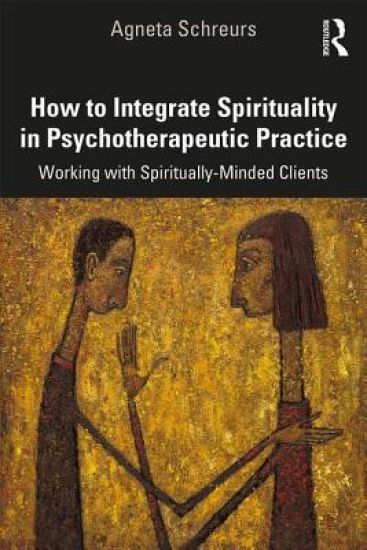
How to Integrate Spirituality in Psychotherapeutic Practice: Working with Spiritually Minded Clients enables mental health professionals to acquire the skills they need to diagnose and treat religious or spiritually minded clients. Research and practical experience show that religion and spirituality of clients can be very important in psychotherapy. Given the great diversity in the area of religion and spirituality, it is not easy to understand the complicated interconnections between the psychological complaints and the spirituality and/or religion of a client. By providing an understanding of various types of spirituality, as well as theory, case histories, and clinical information using DSM diagnoses, this book will help therapists to design effective interventions. It takes account of the plurality in psychotherapeutic methods, as well as in spiritual/religious views, practices, and use of terms. How to Integrate Spirituality in Psychotherapeutic Practice is directed to a readership of practitioners who have decided to integrate the religious/spiritual dimension into their practice. It primarily addresses psychotherapists and mental health counsellors practising in general mental health residential units and day-to-day consultation clinics, as well as religious therapists, pastoral psychotherapists, pastoral counsellors, and the clergy.
How to Integrate Spirituality in Psychotherapeutic Practice: Working with Spiritually Minded Clients enables mental health professionals to acquire the skills they need to diagnose and treat religious or spiritually minded clients. Research and practical experience show that religion and spirituality of clients can be very important in psychotherapy. Given the great diversity in the area of religion and spirituality, it is not easy to understand the complicated interconnections between the psychological complaints and the spirituality and/or religion of a client. By providing an understanding of various types of spirituality, as well as theory, case histories, and clinical information using DSM diagnoses, this book will help therapists to design effective interventions. It takes account of the plurality in psychotherapeutic methods, as well as in spiritual/religious views, practices, and use of terms. How to Integrate Spirituality in Psychotherapeutic Practice is directed to a readership of practitioners who have decided to integrate the religious/spiritual dimension into their practice. It primarily addresses psychotherapists and mental health counsellors practising in general mental health residential units and day-to-day consultation clinics, as well as religious therapists, pastoral psychotherapists, pastoral counsellors, and the clergy.
Organizing her text into four parts, Schreurs invites the attentive reader to engage the book's insights on the existential and relational levels. Rich with vignettes, this intriguing work may speak to both believers and nonbelievers... The book, rich with bibliography and endnotes, will prove valuable to graduate students in psychology and theology alike.'- Theological Studies'This clear and engaging book is essential reading for all therapists who feel out of their depth when patients raise spiritual concerns.' - Religion & Theology'Somewhat more practical in its emphasis on integrating the spiritual dimension in therapeutic practice is Agneta Schreurs' Psychotherapy and Spirituality (Jessica Kingsley). Informed from a Christian theological background and the therapeutic orientation of group analysis this book sets out to study the interface between psychotherapy and spirituality. It focuses on understanding and differentiating the nature of religious/spiritual issues that may arise for people in the present western cultural and historical context of psychotherapy and also considers how these may be approached by the therapist. A number of complex conceptual issues are examined and these are frequently illustrated with vignettes from the therapeutic material. Although restricted in its orientation to the western Christian tradition the book elaborates a wide range of fundamental issues and provides a good starting point for further reading in related fields.- Journal of Critical Psychology, Counselling & Psychotherapy'Schreurs presents a variety of vignettes, mostly - but not exclusively - about clinical situations, and invites the reader to explore his or her responses. In the process she reveals the differences, similarities and, most intriguingly, the overlaps between the spiritual and the therapeutic: specifically group analytic paradigms. Such a synthesis is long overdue. This is a book that all mental health practitioners should read.'- Mental HealthThis detailed study of the interface between psychotherapy and spirituality introduces professionally trained psychotherapists and mental health specialists to the subject of spirituality and the influence it may have in a therapeutic context. The majority of psychotherapists receive no formal training in the psychology of religion and many studies report that most psychotherapists either avoid the theme of religion, or handle it with insufficient skill, feeling uncomfortable and ill-equipped to deal with the spiritual concerns of patients. Psychotherapy and Spirituality contributes to the development of professional know-how in the field of spirituality in a straightforward and practical way, avoiding complex doctrinal terminology. Schreurs focuses primarily on the connections between group analysis and mainstream Christianity, while bearing in mind the wider implications of other therapeutic schools and other spiritual traditions. She presents a range of therapeutic situations, analogies and case-studies in which spiritual concerns may arise, and explores them from a spiritual and a psychological perspective, showing where and how they connect and differ. This clear and engaging book is essential reading for all therapists who feel out of their depth when patients raise spiritual concerns.