Kirjojen hintavertailu – 12 903 725 kirjaa ja 27 kauppaa

Kirjailija

Ahsan Ullah

Kirjat ja teokset yhdessä paikassa: 10 kirjaa, julkaisuja vuosilta 2008–2023, suosituimpiin kuuluu Comparação entre os diferentes protocolos de mobilidade em camadas de transporte. Vertaile teosten hintoja ja tarkista saatavuus suomalaisista kirjakaupoista.

10 kirjaa

Kirjojen julkaisuvuodet: 2008–2023.

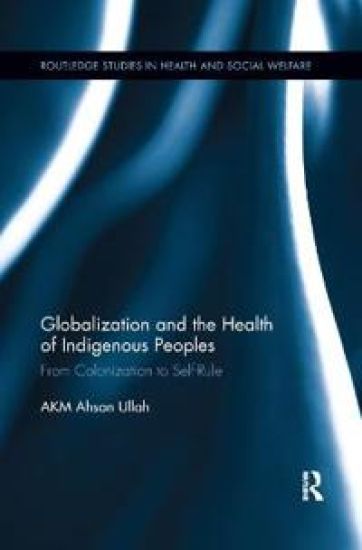
Globalization and the Health of Indigenous Peoples
In 70 countries worldwide, there is an estimated 370 million indigenous peoples, and their rich diversity of cultures, religions, traditions, languages and histories has been significant source of our scholarships. However, the health status of this population group is far below than that of non-indigenous populations by all standards. Could the persisting reluctance to understand the influence of self-governance, globalization and social determinants of health in the lives of these people be deemed as a contributor to the poor health of indigenous peoples? Within this volume, Ullah explores the gap in health status between indigenous and non-indigenous peoples by providing a comparative assessment of socio-economic and health indicators for indigenous peoples, government policies, and the ways in which indigenous peoples have been resisting and adapting to state policies. A timely book for a growing field of study, Globalization and the Health of Indigenous Peoples is a must read for academics, policy-makers, and practitioners who are interested in indigenous studies and in understanding the role that globalization plays for the improvement of indigenous peoples’ health across the world.

Globalization and the Health of Indigenous Peoples
In 70 countries worldwide, there is an estimated 370 million indigenous peoples, and their rich diversity of cultures, religions, traditions, languages and histories has been significant source of our scholarships. However, the health status of this population group is far below than that of non-indigenous populations by all standards. Could the persisting reluctance to understand the influence of self-governance, globalization and social determinants of health in the lives of these people be deemed as a contributor to the poor health of indigenous peoples? Within this volume, Ullah explores the gap in health status between indigenous and non-indigenous peoples by providing a comparative assessment of socio-economic and health indicators for indigenous peoples, government policies, and the ways in which indigenous peoples have been resisting and adapting to state policies. A timely book for a growing field of study, Globalization and the Health of Indigenous Peoples is a must read for academics, policy-makers, and practitioners who are interested in indigenous studies and in understanding the role that globalization plays for the improvement of indigenous peoples’ health across the world.