Kirjojen hintavertailu – 12 903 725 kirjaa ja 27 kauppaa

Kirjailija

Alan A. Aja

Kirjat ja teokset yhdessä paikassa: 3 kirjaa, julkaisuja vuosilta 2016–2023, suosituimpiin kuuluu Afro-Latinos in the U.S. Economy. Vertaile teosten hintoja ja tarkista saatavuus suomalaisista kirjakaupoista.

3 kirjaa

Kirjojen julkaisuvuodet: 2016–2023.

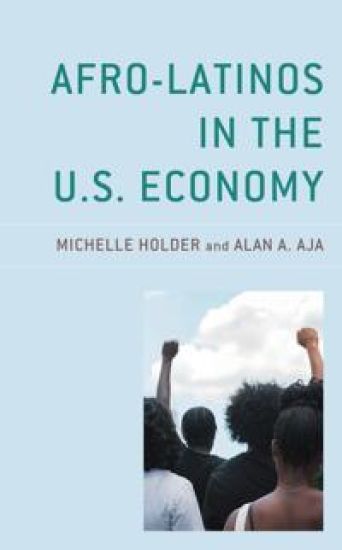
Afro-Latinos in the U.S. Economy

Afro-Latinos in the U.S. Economy

Michelle Holder; Alan A. Aja

BLOOMSBURY PUBLISHING PLC
2023
nidottu
Afro-Latinos in the U. S. Economy outlines the current position and status of Afro-Latinxs in the economy of the United States. Very little research has thus far been disseminated in the field of economics on the contributions of Afro-Latinxs regarding income and wealth, labor market status, occupational mobility, and educational attainment. On the other hand, cultural studies, literary criticism, and social science fields have produced more research on Afro-Latinxs; the discipline of economics is, thus, significantly behind the curve in exploring the economic dimensions of this group. While the Afro-Latinx community constitutes a comparatively small segment of the U. S. population, and is often viewed as the nexus between two of the country’s largest minority groups—African Americans and Latinxs, who comprise 13 percent and 17 percent, respectively, of the U. S. population—Holder and Aja outline how the group’s unique economic position is different than non-black Latinxs. Despite possessing higher levels of education relative to the Latinx community as a whole, U. S. Afro-Latinxs do not experience expected returns in income and earnings, underscoring the role anti-Blackness plays in everyday life regardless of ancestral origin. The goal of this book is to provide a foundation in the economic dimensions of Afro-Latinxs in the U. S. which can be used to both complement and supplement research conducted on this group in other major disciplines. “
Afro-Latinos in the U.S. Economy

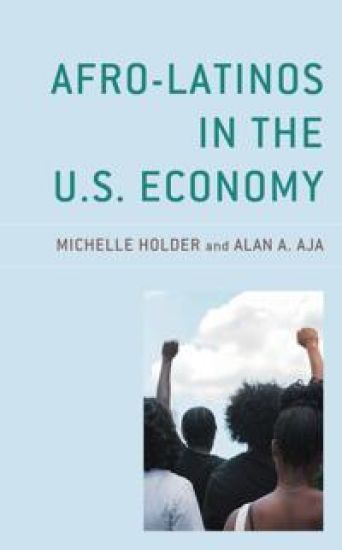
Afro-Latinos in the U.S. Economy

Michelle Holder; Alan A. Aja

Lexington Books
2021
sidottu
Afro-Latinos in the U. S. Economy outlines the current position and status of Afro-Latinos in the economy of the United States. Very little research has thus far been disseminated in the field of economics on the contributions of Afro-Latinos to the U. S. economy with regard to income and wealth generation, labor market status, occupational mobility, and educational attainment. On the other hand, the fields of anthropology, sociology, political science and cultural studies have produced a wealth of research on Afro-Latinos in the U. S.; the discipline of economics is, thus, significantly behind the curve in exploring the economic dimensions of this group. While Afro-Latinos constitute a comparatively small segment of the U. S. population, they form the nexus between this country’s two largest minority groups—African Americans and Latinos, who, comprise 13 percent and 17 percent, respectively, of the U. S. population. The goal of this book is to provide a foundation in the economic dimensions of Afro-Latinos in the U. S. which can be used to both complement and supplement research conducted on this group in other major social science disciplines.
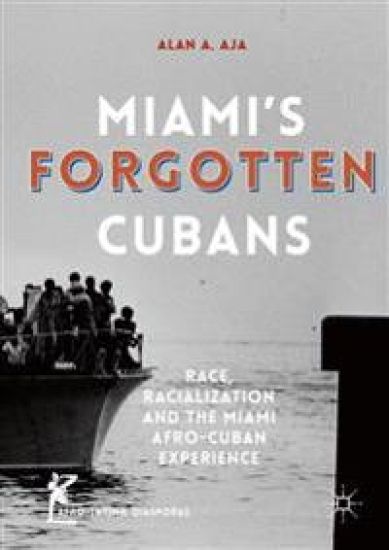
Miami’s Forgotten Cubans

Miami’s Forgotten Cubans

Alan A. Aja

Palgrave Macmillan
2016
sidottu
This book explores the reception experiences of post-1958 Afro-Cubans in South Florida in relation to their similarly situated “white” Cuban compatriots. Utilizing interviews, ethnographic observations, and applying Census data analyses, Aja begins not with the more socially diverse 1980 Mariel boatlift, but earlier, documenting that a small number of middle-class Afro-Cuban exiles defied predominant settlement patterns in the 1960 and 70s, attempting to immerse themselves in the newly formed but ultimately racially exclusive “ethnic enclave.” Confronting a local Miami Cuban “white wall” and anti-black Southern racism subsumed within an intra-group “success” myth that equally holds Cubans and other Latin Americans hail from “racial democracies,” black Cubans immigrants and their children, including subsequent waves of arrival and return-migrants, found themselves negotiating the boundaries of being both “black” and “Latino” in the United States.