Kirjojen hintavertailu – 12 859 818 kirjaa ja 27 kauppaa

Kirjailija

Alan Fyall

Kirjat ja teokset yhdessä paikassa: 7 kirjaa, julkaisuja vuosilta 2004–2019, suosituimpiin kuuluu Tourism Marketing. Vertaile teosten hintoja ja tarkista saatavuus suomalaisista kirjakaupoista.

7 kirjaa

Kirjojen julkaisuvuodet: 2004–2019.

Marketing for Tourism and Hospitality

Marketing for Tourism and Hospitality

Alan Fyall; Patrick Legohérel; Isabelle Frochot; Youcheng Wang

Routledge
2019
nidottu
The marketing landscape has changed dramatically in recent years, especially for tourism and hospitality practitioners. Marketing for these industries is now a multi-dimensional, collaborative venture driven by technological change and the growing demand for authentic co-created experiences. Marketing for Tourism and Hospitality provides students with a contemporary, accessible and useful resource as they prepare to encounter the complexities and challenges of tourism and hospitality marketing globally. A clear articulation of the changing landscape, a comprehensive introduction to the three underpinning themes of collaboration, technology and experiences, and a plentiful supply of international case material provide students with an enjoyable and digestible resource that is both academically rigorous and practice-oriented, helping them prepare for day-to-day problems in the dynamic world of marketing. This contemporary, challenging and highly applied text is an indispensable resource for all students of tourism and hospitality degree programmes.

Marketing for Tourism and Hospitality

Marketing for Tourism and Hospitality

Alan Fyall; Patrick Legohérel; Isabelle Frochot; Youcheng Wang

Routledge
2019
sidottu
The marketing landscape has changed dramatically in recent years, especially for tourism and hospitality practitioners. Marketing for these industries is now a multi-dimensional, collaborative venture driven by technological change and the growing demand for authentic co-created experiences. Marketing for Tourism and Hospitality provides students with a contemporary, accessible and useful resource as they prepare to encounter the complexities and challenges of tourism and hospitality marketing globally. A clear articulation of the changing landscape, a comprehensive introduction to the three underpinning themes of collaboration, technology and experiences, and a plentiful supply of international case material provide students with an enjoyable and digestible resource that is both academically rigorous and practice-oriented, helping them prepare for day-to-day problems in the dynamic world of marketing. This contemporary, challenging and highly applied text is an indispensable resource for all students of tourism and hospitality degree programmes.

Tourism: Principles and Practice

Tourism: Principles and Practice

John Fletcher; Alan Fyall

Pearson Education Limited
2017
pokkari
Thanks to its engaging writing style and accessible structure, Fletcher has become the ultimate one-stop text for any student studying Tourism. Its broad appeal and popularity increases with each new edition, making it excellent value for any student who wants to understand and explore the principles of the subject. Well-liked by students and lecturers alike, Tourism: Principles and Practice is the ultimate reference text for anyone wishing to understand the complex and varied issues involved with such a diverse and constantly changing subject.
Managing World Heritage Sites

Managing World Heritage Sites

Anna Leask; Alan Fyall

Routledge
2015
sidottu
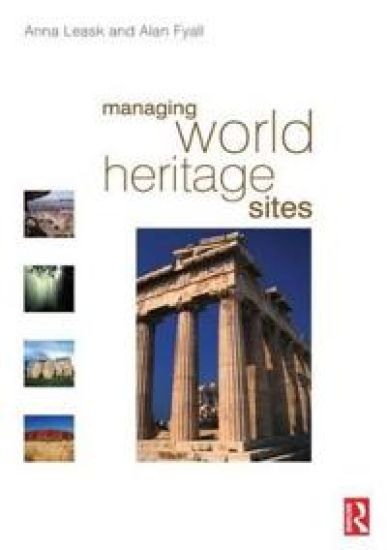
World Heritage Sites are some of the most recognised locations around the world. They include natural sites such as the Grand Canyon and the Great Barrier and cultural ones such as the Pyramids at Giza, the Walled City of Baku in Azerbaijan and the Historic Centre of Riga in Latvia. The responsibility to manage them successfully and ensure that the resources are not damaged by visitors, war or environment is therefore vital. Managing World Heritage Sites covers the management issues encountered at cultural and natural UNESCO World Heritage Sites). WHS sites are high profile and as their designation states they are unique. They are often government owned and subject to political debate, they have iconic status and are therefore crucial to national tourism industries, and often involve a large number of stakeholders within their management structures. This text considers all of these aspects in arriving at solutions for site management principles. In 12 chapters and 5 case studies it covers issues such as WHS designation, marketing, visitor management, revenue generation and management. Each chapter will examine the management issues associated with managing heritage within the WH Sites, making clear use of management practices to apply the theory. Managing World Heritage Sites: • Includes international case studies such as World Heritage Sites in the Americas, Machupicchu, Stonehenge, Central Eastern Rainforest Reserves of Australia, Megalithic Temples of Malta.• Is authored by an international contributor team of well known and respected experts in this field • Has a user friendly and logical structure including aims, introduction, case study, conclusion, references and websites and examples best practice. • 5 specific case study chapters including a location map, an explanation of key issues, conclusion, and questions for self-study
Managing World Heritage Sites

Managing World Heritage Sites

Anna Leask; Alan Fyall

Butterworth-Heinemann Ltd
2006
nidottu
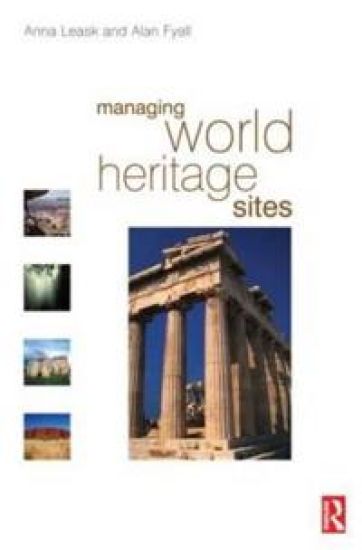
World Heritage Sites are some of the most recognised locations around the world. They include natural sites such as the Grand Canyon and the Great Barrier and cultural ones such as the Pyramids at Giza, the Walled City of Baku in Azerbaijan and the Historic Centre of Riga in Latvia. The responsibility to manage them successfully and ensure that the resources are not damaged by visitors, war or environment is therefore vital. Managing World Heritage Sites covers the management issues encountered at cultural and natural UNESCO World Heritage Sites). WHS sites are high profile and as their designation states they are unique. They are often government owned and subject to political debate, they have iconic status and are therefore crucial to national tourism industries, and often involve a large number of stakeholders within their management structures. This text considers all of these aspects in arriving at solutions for site management principles. In 12 chapters and 5 case studies it covers issues such as WHS designation, marketing, visitor management, revenue generation and management. Each chapter will examine the management issues associated with managing heritage within the WH Sites, making clear use of management practices to apply the theory. Managing World Heritage Sites: • Includes international case studies such as World Heritage Sites in the Americas, Machupicchu, Stonehenge, Central Eastern Rainforest Reserves of Australia, Megalithic Temples of Malta.• Is authored by an international contributor team of well known and respected experts in this field • Has a user friendly and logical structure including aims, introduction, case study, conclusion, references and websites and examples best practice. • 5 specific case study chapters including a location map, an explanation of key issues, conclusion, and questions for self-study
Tourism Marketing

Tourism Marketing

Alan Fyall; Brian Garrod

Channel View Publications
2004
sidottu
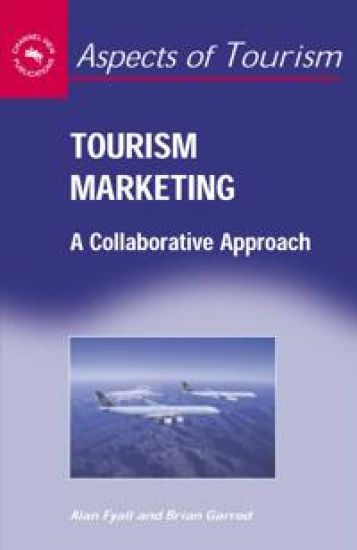
This innovative and original book provides valuable insights into the interorganisational dynamics of collaboration in tourism marketing. Specific attention is given to global airline alliances, international hotel consortia, and destination collaboration between nations. The book begins by providing a detailed understanding of tourism marketing principles and practice within the context of inter-organisational collaboration. The impact of collaboration on tourism marketing strategy and the implementation of marketing programmes is then explored. Issues for discussion include the benefits and drawbacks of collaboration marketing, the internal processes, resource implications and external impacts of collaboration marketing, and the challenge of managing parallel competitive and collaborative marketing strategies. Tourism Marketing: A Collaborative Approach offers a strategic marketing framework for application in interorganisational settings within the tourism industry. The existing marketing paradigm is questioned in an industry where rarely does any one organisation own or control all elements of the tourism product.
Tourism Marketing

Tourism Marketing

Alan Fyall; Brian Garrod

Channel View Publications
2004
nidottu
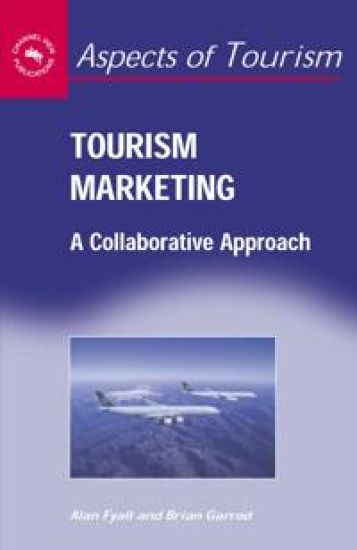
This innovative and original book provides valuable insights into the interorganisational dynamics of collaboration in tourism marketing. Specific attention is given to global airline alliances, international hotel consortia, and destination collaboration between nations. The book begins by providing a detailed understanding of tourism marketing principles and practice within the context of inter-organisational collaboration. The impact of collaboration on tourism marketing strategy and the implementation of marketing programmes is then explored. Issues for discussion include the benefits and drawbacks of collaboration marketing, the internal processes, resource implications and external impacts of collaboration marketing, and the challenge of managing parallel competitive and collaborative marketing strategies. Tourism Marketing: A Collaborative Approach offers a strategic marketing framework for application in interorganisational settings within the tourism industry. The existing marketing paradigm is questioned in an industry where rarely does any one organisation own or control all elements of the tourism product.