Kirjojen hintavertailu – 12 859 828 kirjaa ja 27 kauppaa

Kirjailija

Alan Howe

Kirjat ja teokset yhdessä paikassa: 11 kirjaa, julkaisuja vuosilta 2001–2026, suosituimpiin kuuluu Primary Design and Technology for the Future. Vertaile teosten hintoja ja tarkista saatavuus suomalaisista kirjakaupoista.

11 kirjaa

Kirjojen julkaisuvuodet: 2001–2026.

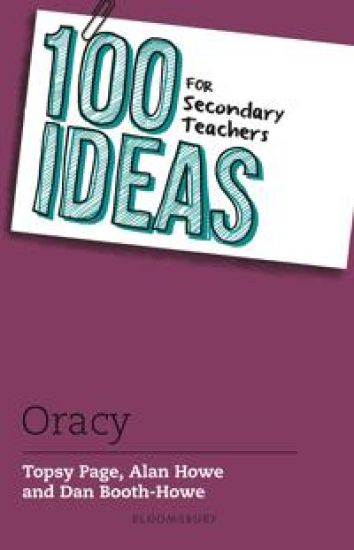
100 Ideas for Secondary Teachers: Oracy

100 Ideas for Secondary Teachers: Oracy

Topsy Page; Alan Howe; Dan Booth-Howe

BLOOMSBURY PUBLISHING PLC
2026
nidottu
No matter what you teach, there is a 100 Ideas title for you! The 100 Ideas series offers teachers practical, easy-to-implement strategies and activities for the classroom. Each author is an expert in their field and is passionate about sharing best practice with their peers. Each title includes at least ten additional extra-creative Bonus Ideas to inspire and engage all learners. Combining clear, practical advice and tried-and-tested strategies, 100 Ideas for Secondary Teachers: Oracy is the essential handbook to making every child in your class a confident communicator. Oracy experts Topsy Page and Alan Howe present 100 easy-to-implement ideas directly from the classroom, engaging everyone from the ‘quiet student’ in your class to students with SEND or EAL in a variety of pair, group and whole-class talk activities and approaches. Discover inspiring yet simple strategies to get your students talking as well as ways to improve your own questioning, Teacher Talk and communication. Oracy is increasingly thought to be a core skill to be taught at school, key for improving personal outcomes and for future success. Clear communication is crucial for developing critical thinking skills, confidence and attainment across the curriculum. Including tips for teachers, talk prompts, and ideas, this collection of tips, games and activities links directly to the National Curriculum and offers strategies to improve oracy for individual students, classes and the whole school. Written by experts in their field, the 100 Ideas books offer practical ideas for busy teachers. They include step-by-step instructions, teaching tips and taking it further ideas. Follow the conversation online using #100Ideas.
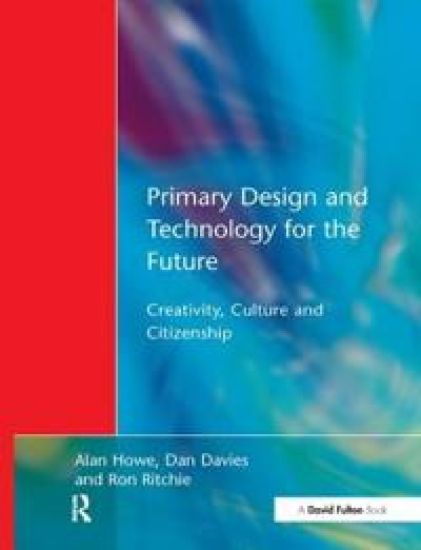
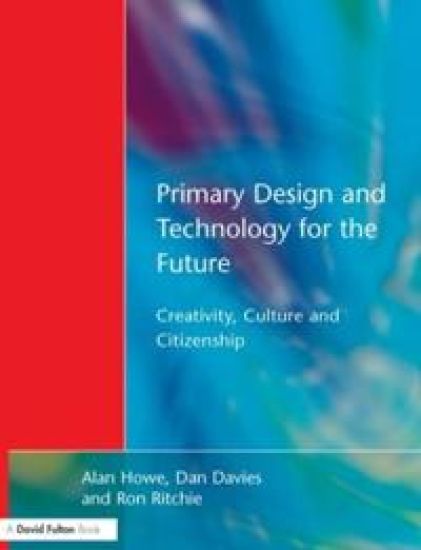
Primary Design and Technology for the Future

Primary Design and Technology for the Future

Alan Howe; Dan Davies; Ron Ritchie

CRC Press
2017
sidottu
This is a challenging new book for primary teachers interested in developing their teaching of Design & Technology, subject leaders in D&T, and for student teachers choosing this as their specialty. It will also appeal to in-service providers and LEA advisory staff. Children's creativity, cultural development and citizenship are important but currently underdeveloped in primary education. This book uniquely focuses on how these aspects can be emphasized in the teaching of Design and Technology. The National Curriculum has the potential to bring creativity, cultural development and citizenship into the mainstream and the authors show the considerable extent to which D & T, integrated with other curriculum subjects, can contribute to realizing these goals. There are examples throughout of best current practice showing how such ideas have been implemented.
Primary Design and Technology for the Future

Primary Design and Technology for the Future

Alan Howe; Dan Davies; Ron Ritchie

David Fulton Publishers Ltd
2001
nidottu
This is a challenging new book for primary teachers interested in developing their teaching of Design & Technology, subject leaders in D&T, and for student teachers choosing this as their specialty. It will also appeal to in-service providers and LEA advisory staff. Children's creativity, cultural development and citizenship are important but currently underdeveloped in primary education. This book uniquely focuses on how these aspects can be emphasized in the teaching of Design and Technology. The National Curriculum has the potential to bring creativity, cultural development and citizenship into the mainstream and the authors show the considerable extent to which D & T, integrated with other curriculum subjects, can contribute to realizing these goals. There are examples throughout of best current practice showing how such ideas have been implemented.
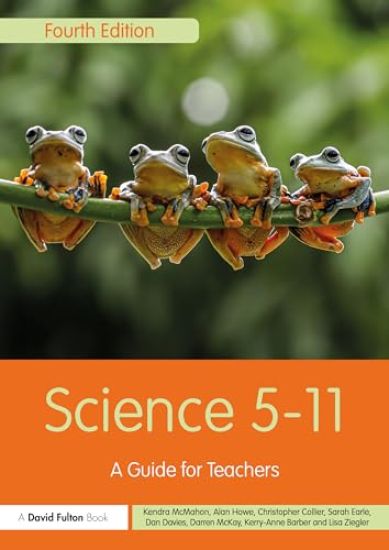
Science 5-11

Science 5-11

Kendra McMahon; Alan Howe; Chris Collier; Sarah Earle; Dan Davies; Darren McKay; Kerry-Anne Barber; Lisa Howarth

TAYLOR FRANCIS LTD
2024
nidottu
This fully updated fourth edition of the bestselling textbook Science 5-11 provides a comprehensive introduction to current research and professional practice for teaching science in the primary school. Chapters are organised into five sections, first introducing theory and practice, then providing specific guidance on teaching topics in biology, chemistry and physics, and finally discussing supporting science across the whole school. Updates to the new edition include:Responding to recent changes in the Initial Teacher Education framework, discussion about cognitive science is integrated more fully throughout. Supporting all children's engagement in science by suggesting inclusive and creative ways of building and consolidating knowledge including making connections between topics and with the wider world. New discussion on planning to support pupil progression in scientific knowledge throughout their time at primary school, building on Early Years and preparing for transition to secondary school. Presenting current research and outlining guidance on best practice, Science 5-11 provides a guide to the subject knowledge, curriculum requirements and pedagogical techniques to successfully teach science within the primary school.
Science 5-11

Science 5-11

Kendra McMahon; Alan Howe; Chris Collier; Sarah Earle; Dan Davies; Darren McKay; Kerry-Anne Barber; Lisa Howarth

TAYLOR FRANCIS LTD
2024
sidottu
This fully updated fourth edition of the bestselling textbook Science 5-11 provides a comprehensive introduction to current research and professional practice for teaching science in the primary school. Chapters are organised into five sections, first introducing theory and practice, then providing specific guidance on teaching topics in biology, chemistry and physics, and finally discussing supporting science across the whole school. Updates to the new edition include:Responding to recent changes in the Initial Teacher Education framework, discussion about cognitive science is integrated more fully throughout. Supporting all children's engagement in science by suggesting inclusive and creative ways of building and consolidating knowledge including making connections between topics and with the wider world. New discussion on planning to support pupil progression in scientific knowledge throughout their time at primary school, building on Early Years and preparing for transition to secondary school. Presenting current research and outlining guidance on best practice, Science 5-11 provides a guide to the subject knowledge, curriculum requirements and pedagogical techniques to successfully teach science within the primary school.
Teaching Science and Technology in the Early Years (3–7)

Teaching Science and Technology in the Early Years (3–7)

Dan Davies; Alan Howe; Christopher Collier; Rebecca Digby; Sarah Earle; Kendra McMahon

Routledge
2019
sidottu
Teaching Science and Technology in the Early Years (3–7) celebrates young children’s amazing capabilities as scientists, designers and technologists. Research-based yet practical and accessible, it demonstrates how scientific designing and making activities are natural to young children, and have the potential for contributing to all aspects of their learning. By identifying the scientific and technological concepts, skills and activities being developed, the book enables the reader to make more focused diagnostic observations of young children and plan for how they can help move them forward in their learning. This third edition has been thoroughly updated and features: fresh insights into young children’s learning from neuroscience and ‘new-materialist’ perspectives; a UK-wide perspective on Early Years curricula and how they support the inclusion of science and technology as an entitlement for young children; new case studies of successful, evidence-based Early Years practice, alongside new examples of practical planning for learning, and advice on documenting children’s learning stories; an updated chapter on assessing and documenting children’s learning, drawing upon findings from the Teacher Assessment in Primary Science (TAPS) project at Bath Spa University. Based on the latest research and first-hand experience, this practical and accessible book is essential reading for Early Years and Primary students on undergraduate, PGCE and Masters-level courses.
Teaching Science and Technology in the Early Years (3–7)

Teaching Science and Technology in the Early Years (3–7)

Dan Davies; Alan Howe; Christopher Collier; Rebecca Digby; Sarah Earle; Kendra McMahon

Routledge
2019
nidottu
Teaching Science and Technology in the Early Years (3–7) celebrates young children’s amazing capabilities as scientists, designers and technologists. Research-based yet practical and accessible, it demonstrates how scientific designing and making activities are natural to young children, and have the potential for contributing to all aspects of their learning. By identifying the scientific and technological concepts, skills and activities being developed, the book enables the reader to make more focused diagnostic observations of young children and plan for how they can help move them forward in their learning. This third edition has been thoroughly updated and features: fresh insights into young children’s learning from neuroscience and ‘new-materialist’ perspectives; a UK-wide perspective on Early Years curricula and how they support the inclusion of science and technology as an entitlement for young children; new case studies of successful, evidence-based Early Years practice, alongside new examples of practical planning for learning, and advice on documenting children’s learning stories; an updated chapter on assessing and documenting children’s learning, drawing upon findings from the Teacher Assessment in Primary Science (TAPS) project at Bath Spa University. Based on the latest research and first-hand experience, this practical and accessible book is essential reading for Early Years and Primary students on undergraduate, PGCE and Masters-level courses.
Science 5-11

Science 5-11

Kendra McMahon; Alan Howe; Chris Collier; Sarah Earle; Dan Davies

Routledge
2017
nidottu
This third edition of the bestselling textbook Science 5–11 has been fully updated to provide a synthesis of research and best practice in teaching and learning that focuses on successful ways to engage and motivate young scientists. Responding to the new curriculum, particularly ‘Working Scientifically’, this edition now includes: New sections on whole-school assessment, mentoring, transitions and a topics-based approach. Reference to the ‘big ideas’ of biology, chemistry and physics with chapters clearly related to this new subject structure. Updated tables of progression in each topic area and reference to cross-curricular contexts. New self-assessment questions for teachers, the option for higher-level thinking and further reading. An updated chapter on subject leadership with an increasing emphasis on monitoring progress. Bringing together research undertaken from a range of activities in the field, this book forms a comprehensive and clear guide, outlining the subject knowledge that a teacher needs, the curriculum requirements and the best ways to go about teaching. A practical guide ideal for students, trainees, mentors and other practising teachers, the book provides information on appropriate science topics for Key Stage 1 and 2.
Teaching Science and Technology in the Early Years (3-7)

Teaching Science and Technology in the Early Years (3-7)

Dan Davies; Alan Howe; Christopher Collier; Rebecca Digby; Sarah Earle; Kendra McMahon

Routledge
2014
nidottu
Teaching Science and Technology in the Early Years (3-7) celebrates young children’s amazing capabilities as scientists, designers and technologists. Research-based yet practical and accessible, it demonstrates how scientific, designing and making activities are natural to young children, and have the potential for contributing to all aspects of their learning. By identifying the scientific and design-related concepts, skills and activities being developed, the book enables the reader to make more focused diagnostic observations of young children and plan for how they can help move them forward in their learning. This second edition has been thoroughly updated and features:Six new chapters providing practical advice and examples for enhancing scientific and technological learning through thematic approaches a new chapter focusing on the outdoor learning environment and how this can support science and technology new case studies of successful early years practice, alongside examples of practical planning for learning, and advice on documenting children’s learning stories, guidance on the role of talk, narrative, documentation and planning in relation to early years science and technology Based on the latest research and the first hand experience, this practical and accessible book is essential reading for early years and primary students on undergraduate and Masters level courses.
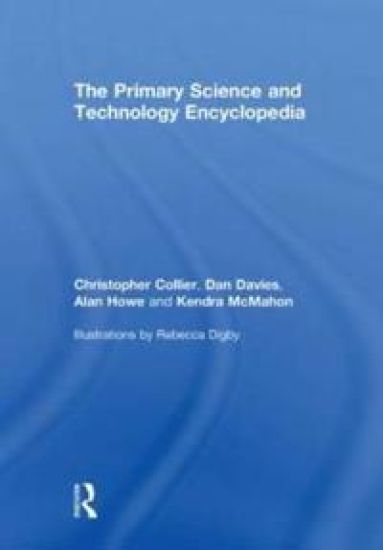
The Primary Science and Technology Encyclopedia

The Primary Science and Technology Encyclopedia

Christopher Collier; Dan Davies; Alan Howe; Kendra McMahon

Routledge
2010
nidottu
Unique in its field, The Primary Science Encyclopedia brings together in one indispensable reference volume over 250 entries covering a wide range of topics and ideas. The book provides clear descriptions, definitions and explanations of difficult scientific concepts, carefully chosen to reflect the needs of those involved in primary science education. In addition, this encyclopedia explains clearly how to teach scientific and technological ideas in a relevant and appropriate way. Extended entries are included on topics such as creativity, thinking skills and theories of learning and the book also provides insight into cross-curricular work, assessment and classroom organisation in the primary science classroom. Compiled by authors with a wealth of experience in primary science and technology teaching, this book contains: Over 250 entries; Scientific definitions and pedagogical explanations; Extensive commentaries of current issues in primary science; A who's who of current and historical figures in the field of science and science education; Annotated further reading lists. This encyclopedia will be of interest to all teachers of 5 to 11-year-olds and anyone concerned with primary science and design and technology education.
The Primary Science and Technology Encyclopedia

The Primary Science and Technology Encyclopedia

Christopher Collier; Dan Davies; Alan Howe; Kendra McMahon

Routledge
2010
sidottu
Unique in its field, The Primary Science Encyclopedia brings together in one indispensable reference volume over 250 entries covering a wide range of topics and ideas. The book provides clear descriptions, definitions and explanations of difficult scientific concepts, carefully chosen to reflect the needs of those involved in primary science education. In addition, this encyclopedia explains clearly how to teach scientific and technological ideas in a relevant and appropriate way. Extended entries are included on topics such as creativity, thinking skills and theories of learning and the book also provides insight into cross-curricular work, assessment and classroom organisation in the primary science classroom. Compiled by authors with a wealth of experience in primary science and technology teaching, this book contains: Over 250 entries; Scientific definitions and pedagogical explanations; Extensive commentaries of current issues in primary science; A who's who of current and historical figures in the field of science and science education; Annotated further reading lists. This encyclopedia will be of interest to all teachers of 5 to 11-year-olds and anyone concerned with primary science and design and technology education.