Kirjojen hintavertailu – 12 903 725 kirjaa ja 27 kauppaa
Kirjailija
Alan S. Zuckerman
Kirjat ja teokset yhdessä paikassa: 6 kirjaa, julkaisuja vuosilta 2007–2020, suosituimpiin kuuluu Partisan Families. Vertaile teosten hintoja ja tarkista saatavuus suomalaisista kirjakaupoista.
This book describes five paradigms of political explanation: rational choice theory, political psychology, community analysis, Marx, and Weber. It is a text for beginning students of political science and for more advanced students who want to reflect on modes of thought in political analysis.
In this concise but wide-ranging text, Alan Zuckerman introduces the reader to the various approaches to political explanation. He shows how researchers espousing different theoretical assumptions, levels of explanation, variables, and data come to offer conflicting accounts of the phenomena to be studied. He then introduces five paradigms of polit
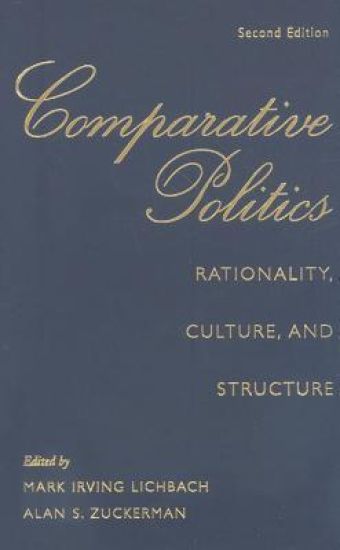
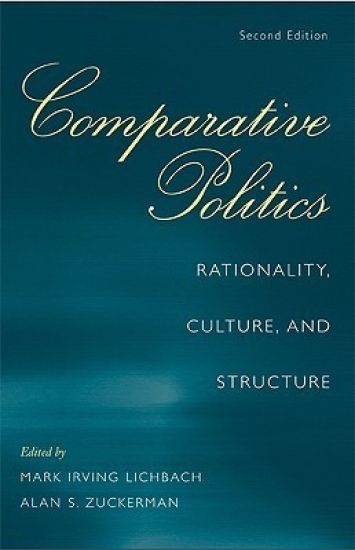
Comparative Politics: Rationality, Culture, and Structure is a revised second edition of the volume that guided students and scholars through the intellectual demands of comparative politics. Retaining a focus on the field's research schools, it now pays parallel attention to the pragmatics of causal research. Mark Lichbach begins with a review of discovery, explanation and evidence and Alan Zuckerman argues for explanations with social mechanisms. Ira Katznelson, writing on structuralist analyses, Margaret Levi on rational choice theory, and Marc Ross on culturalist analyses, assess developments in the field's research schools. Subsequent chapters explore the relationship among the paradigms and current research: the state, culturalist themes and political economy, the international context of comparative politics, contentious politics, multi-level analyses, nested voters, endogenous institutions, welfare states, and ethnic politics. The volume offers a rigorous and exciting assessment of the past decade of scholarship in comparative politics.
Comparative Politics: Rationality, Culture, and Structure is a revised second edition of the volume that guided students and scholars through the intellectual demands of comparative politics. Retaining a focus on the field's research schools, it now pays parallel attention to the pragmatics of causal research. Mark Lichbach begins with a review of discovery, explanation and evidence and Alan Zuckerman argues for explanations with social mechanisms. Ira Katznelson, writing on structuralist analyses, Margaret Levi on rational choice theory, and Marc Ross on culturalist analyses, assess developments in the field's research schools. Subsequent chapters explore the relationship among the paradigms and current research: the state, culturalist themes and political economy, the international context of comparative politics, contentious politics, multi-level analyses, nested voters, endogenous institutions, welfare states, and ethnic politics. The volume offers a rigorous and exciting assessment of the past decade of scholarship in comparative politics.
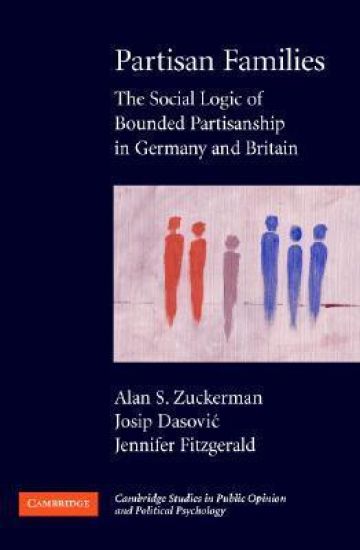
People decide about political parties by taking into account the preferences, values, expectations, and perceptions of their family, friends, colleagues, and neighbours. As most people live with others, members of their households influence each other's political decisions. How and what they think about politics and what they do are the outcomes of social processes. Applying varied statistical models to data from extensive German and British household surveys, this book shows that wives and husbands influence each other; young adults influence their parents, especially their mothers. Wives and mothers sit at the centre of households: their partisanship influences the partisanship of everyone else, and the others affect them. Politics in households interacts with competition among the political parties to sustain bounded partisanship. People ignore one of the major parties and vary their preference of its major rival over time. Election campaigns reinforce these choices.
People decide about political parties by taking into account the preferences, values, expectations, and perceptions of their family, friends, colleagues, and neighbours. As most people live with others, members of their households influence each other's political decisions. How and what they think about politics and what they do are the outcomes of social processes. Applying varied statistical models to data from extensive German and British household surveys, this book shows that wives and husbands influence each other; young adults influence their parents, especially their mothers. Wives and mothers sit at the centre of households: their partisanship influences the partisanship of everyone else, and the others affect them. Politics in households interacts with competition among the political parties to sustain bounded partisanship. People ignore one of the major parties and vary their preference of its major rival over time. Election campaigns reinforce these choices.