Kirjojen hintavertailu – 12 903 725 kirjaa ja 27 kauppaa

Kirjailija

Alan V. Brown

Kirjat ja teokset yhdessä paikassa: 4 kirjaa, julkaisuja vuosilta 2018–2021, suosituimpiin kuuluu The Changing Landscape of Spanish Language Curricula. Vertaile teosten hintoja ja tarkista saatavuus suomalaisista kirjakaupoista.

4 kirjaa

Kirjojen julkaisuvuodet: 2018–2021.

El léxico-gramática del español

El léxico-gramática del español

Alan V. Brown; Yanira B. Paz; Earl Kjar Brown

Routledge
2021
nidottu
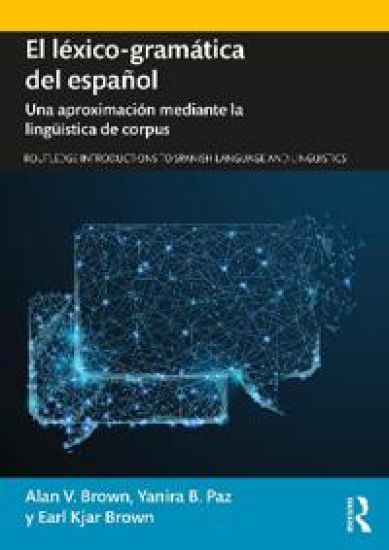
El léxico-gramática del español ofrece una aproximación alternativa al estudio de la gramática avanzada del español. Este libro brinda al estudiante un enfoque auténtico y contextualizado del uso del español, basándose en datos provenientes de corpus de español-L1 y L2 junto a la investigación lingüística a fin de describir las características léxico-gramaticales fundamentales de la lengua y su variación. Cada capítulo incluye actividades guiadas para que los estudiantes puedan realizar búsquedas en estos corpus con el propósito de llegar a conclusiones fundamentadas en evidencias empíricas sobre cómo los aprendices de varios niveles de competencia usan ciertos elementos léxico-gramaticales. Este libro representa un recurso ideal para los estudiantes de la gramática avanzada del español a nivel de pregrado y posgrado. El léxico-gramática del español provides an alternative approach to the study of advanced Spanish grammar. Drawing on L1 and L2 Spanish language corpora and linguistic research to describe key lexico-grammatical characteristics of the Spanish language, this book gives students insight into real, variable, and contextualized usage of Spanish. Each chapter includes guided exercises so that students can conduct their own searches of the corpus and draw evidence-based conclusions on how particular grammar structures are used by Spanish speakers at varying levels of proficiency. This is an ideal resource for advanced undergraduate and postgraduate students of Spanish language and linguistics.
El léxico-gramática del español

El léxico-gramática del español

Alan V. Brown; Yanira B. Paz; Earl Kjar Brown

Routledge
2021
sidottu
El léxico-gramática del español ofrece una aproximación alternativa al estudio de la gramática avanzada del español. Este libro brinda al estudiante un enfoque auténtico y contextualizado del uso del español, basándose en datos provenientes de corpus de español-L1 y L2 junto a la investigación lingüística a fin de describir las características léxico-gramaticales fundamentales de la lengua y su variación. Cada capítulo incluye actividades guiadas para que los estudiantes puedan realizar búsquedas en estos corpus con el propósito de llegar a conclusiones fundamentadas en evidencias empíricas sobre cómo los aprendices de varios niveles de competencia usan ciertos elementos léxico-gramaticales. Este libro representa un recurso ideal para los estudiantes de la gramática avanzada del español a nivel de pregrado y posgrado. El léxico-gramática del español provides an alternative approach to the study of advanced Spanish grammar. Drawing on L1 and L2 Spanish language corpora and linguistic research to describe key lexico-grammatical characteristics of the Spanish language, this book gives students insight into real, variable, and contextualized usage of Spanish. Each chapter includes guided exercises so that students can conduct their own searches of the corpus and draw evidence-based conclusions on how particular grammar structures are used by Spanish speakers at varying levels of proficiency. This is an ideal resource for advanced undergraduate and postgraduate students of Spanish language and linguistics.
The Changing Landscape of Spanish Language Curricula

The Changing Landscape of Spanish Language Curricula

Alan V. Brown; Gregory L. Thompson; Manel Lacorte

Georgetown University Press
2018
pokkari
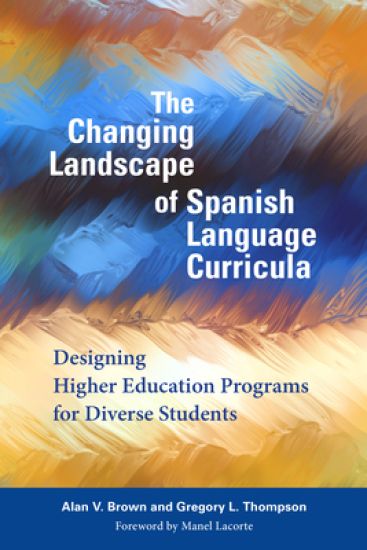
Spanish remains a large and constant fixture in the foreign language learning landscape in the United States. As Spanish language study has grown, so too has the diversity of students and contexts of use, placing the field in the midst of a curricular identity crisis. Spanish has become a second, rather than a foreign, language in the US, which leads to unique opportunities and challenges for curriculum and syllabus design, materials development, individual and program assessment, and classroom pedagogy. In their book, Brown and Thompson address these challenges and provide a vision of Spanish language education for the twenty-first century. Using data from the College Board, ETS, and the authors’ own institutions, as well as responses to their national survey of almost seven hundred Spanish language educators, the authors argue that the field needs to evolve to reflect changes in the sociocultural, socioeducational, and sociopolitical landscape of the US. The authors provide coherent and compelling discussion of the most pressing issues facing Spanish post-secondary education and strategies for converting these challenges into opportunities. Topics that are addressed in the book include: Heritage learners, service learning in Spanish-speaking communities, Spanish for specific purposes, assessment, unique needs for Spanish teacher training, online and hybrid teaching, and the relevance of ACTFL’s national standards for Spanish post-secondary education. An essential read for Spanish language scholars, especially those interested in curriculum design and pedagogy, that includes supporting reflection questions and pedagogical activities for use in upper-level undergraduate and graduate-level courses.
The Changing Landscape of Spanish Language Curricula

The Changing Landscape of Spanish Language Curricula

Alan V. Brown; Gregory L. Thompson; Manel Lacorte

Georgetown University Press
2018
sidottu
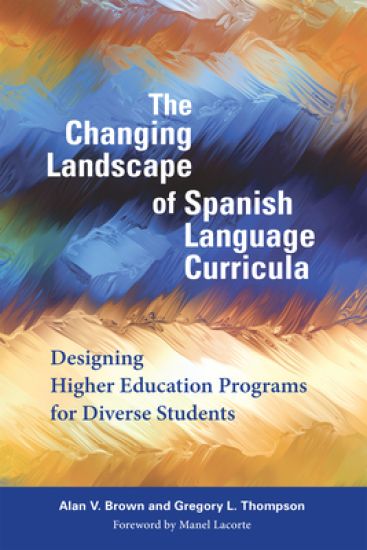
Spanish remains a large and constant fixture in the foreign language learning landscape in the United States. As Spanish language study has grown, so too has the diversity of students and contexts of use, placing the field in the midst of a curricular identity crisis. Spanish has become a second, rather than a foreign, language in the US, which leads to unique opportunities and challenges for curriculum and syllabus design, materials development, individual and program assessment, and classroom pedagogy. In their book, Brown and Thompson address these challenges and provide a vision of Spanish language education for the twenty-first century. Using data from the College Board, ETS, and the authors’ own institutions, as well as responses to their national survey of almost seven hundred Spanish language educators, the authors argue that the field needs to evolve to reflect changes in the sociocultural, socioeducational, and sociopolitical landscape of the US. The authors provide coherent and compelling discussion of the most pressing issues facing Spanish post-secondary education and strategies for converting these challenges into opportunities. Topics that are addressed in the book include: Heritage learners, service learning in Spanish-speaking communities, Spanish for specific purposes, assessment, unique needs for Spanish teacher training, online and hybrid teaching, and the relevance of ACTFL’s national standards for Spanish post-secondary education. An essential read for Spanish language scholars, especially those interested in curriculum design and pedagogy, that includes supporting reflection questions and pedagogical activities for use in upper-level undergraduate and graduate-level courses.