
Kirjailija
Albert Payson Terhune
Kirjat ja teokset yhdessä paikassa: 236 kirjaa, julkaisuja vuosilta 2004–2026, suosituimpiin kuuluu Bruce. Vertaile teosten hintoja ja tarkista saatavuus suomalaisista kirjakaupoista.
236 kirjaa
Kirjojen julkaisuvuodet: 2004–2026.
Buff: A Collie, and Other Dog-Stories By Albert Payson Terhune
Albert Payson Terhune, perhaps best known for his book Lad, a Dog (later turned into a popular movie), was also a breeder of collies and a journalist. Some of his collie lines survive to this day. His Dog is a story about Link Ferris who finds an injured dog on his way home one evening. Knowing nothing about dogs, Link nurses the dog back to health and the two form a bond such as only can be formed between human and canine. Unable to locate the collie's owner, Link christens his dog 'Chum' who becomes invaluable in tending to the daily needs of his meager farm. Unknown to Ferris however, Chum's original owners have been looking for their lost collie, and the story finds Link torn between that which he knows is morally right and his love for what he believes has become his dog.
After the original collection of stories featuring his lovable collie Lad was met with astounding success, journalist and dog expert Albert Payson Terhune penned a second batch of canine-centric yarns to please his clamoring fans. As always, the proud and playful Lad is at the center of these stories, bringing his usual mix of adventure, action, and adorable hijinks.
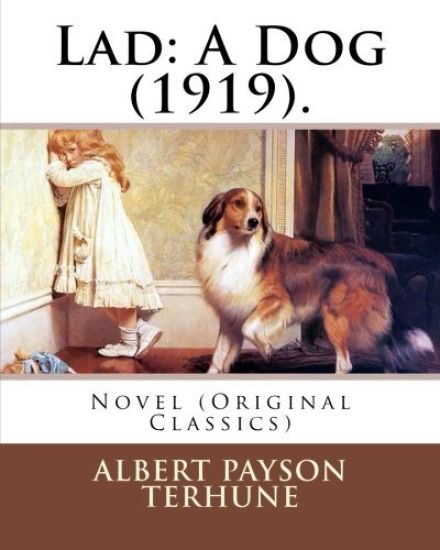
Lad: A Dog (1919). By: Albert Payson Terhune: Novel (Original Classics)
Albert Payson Terhune
Createspace Independent Publishing Platform
2017
nidottu
Lad: A Dog is a 1919 American novel written by Albert Payson Terhune and published by E. P. Dutton. Composed of twelve short stories first published in magazines, the novel is based on the life of Terhune's real-life rough collie, Lad. Born in 1902, the real-life Lad was an unregistered collie of unknown lineage originally owned by Terhune's father. Lad's death in 1918 was mourned by many of the story's fans, particularly children. Through the stories of Lad's adventures, Terhune expresses his views on parenting, obtaining perfect obedience without force, and the nature and rights of the "well-bred". Terhune began writing the stories in 1915 at the suggestion of his Red Book Magazine editor. They gained in popularity and, as Terhune was under contractual obligation to submit something to Doubleday-Page, he collected them into novel form. After Doubleday rejected the novel, he solicited other publishers until it was picked up by Dutton. After a slow start, the novel became a best seller in the adult fiction and children's fiction markets, having been repositioned as a young adult novel by Grosset and Dunlap in the 1960s and 1970s. Selling over one million copies, it is Terhune's best-selling work and the one that propelled him to fame. It has been reprinted over 70 times by Dutton, and republished by a variety of publishers since its original release, including at least six international translations. Contemporaneous critics praised Terhune's writing style and the overall story appeal, while dog breeders criticized his unrealistic canine characters. In retrospective reviews, critics considered that the novel had aged badly, and that Terhune displayed little actual writing skill, but noted that the novel was able to hold long-lasting appeal as it triggered the reader's desire to have such an ideal dog. Terhune himself considered the novel "hack writing" and did not understand why it was so popular. Because of its reception, he went on to publish two additional novels featuring Lad and one featuring Lad's son, Wolf, as well as many other fictional stories featuring dogs. Warner Brothers released a film adaptation in June 1962. A series of four children's picture books based on three of the stories from the novel were published by Margo Lundell between 1997 and 1998... Albert Payson Terhune (December 21, 1872 - February 18, 1942) was an American author, dog breeder, and journalist. The public knows him best for his novels relating the adventures of his beloved collies and as a breeder of collies at his Sunnybank Kennels, the lines of which still exist in today's Rough Collies. Albert Payson Terhune was born in New Jersey to Mary Virginia Hawes and the Reverend Edward Payson Terhune. His mother, Mary Virginia Hawes, was a writer of household management books and pre-Civil War novels under the name Marion Harland. Terhune had four sisters and one brother, though only two of his sisters lived to be adults: Christine Terhune Herrick (1859-1944); and Virginia Terhune Van De Water (1865-1945). Sunnybank (41.0012 N 74.2755 W) was originally the family's summer home, with Terhune making it his permanent residence in 1912. He was educated at Columbia University where he received a Bachelor of Arts degree in 1893. From 1894 to 1916, he worked as a reporter for The Evening World. He boxed exhibition matches with James J. Corbett, Bob Fitzsimmons and James J. Jeffries. His Sunnybank Kennels where he bred and raised rough collies were "the most famed collie kennels in the U. S."............
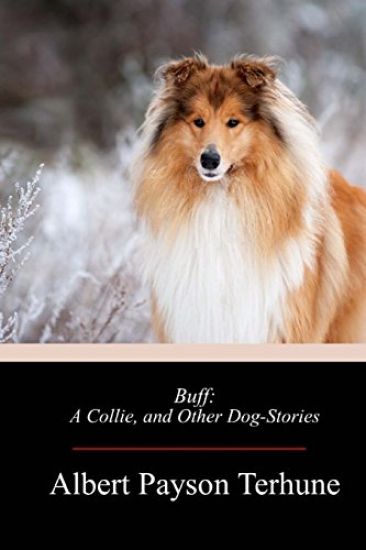
Buff: A Collie, and Other Dog-Stories
Albert Payson Terhune
Createspace Independent Publishing Platform
2017
nidottu
Buff: A Collie, and Other Dog-Stories By Albert Payson Terhune
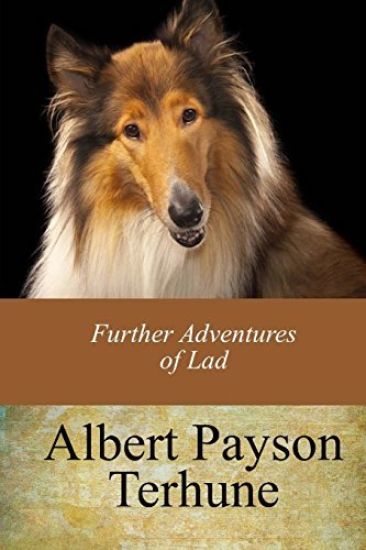
Further Adventures of Lad
Albert Payson Terhune
Createspace Independent Publishing Platform
2017
nidottu
Further Adventures of Lad By Albert Payson Terhune

Lad: A Dog is a 1919 American novel written by Albert Payson Terhune and published by E. P. Dutton. Composed of twelve short stories first published in magazines, the novel is based on the life of Terhune's real-life rough collie, Lad. Born in 1902, the real-life Lad was an unregistered collie of unknown lineage originally owned by Terhune's father. Lad's death in 1918 was mourned by many of the story's fans, particularly children. Through the stories of Lad's adventures, Terhune expresses his views on parenting, obtaining perfect obedience without force, and the nature and rights of the "well-bred." Terhune began writing the stories in 1915 at the suggestion of his Red Book Magazine editor. They gained in popularity and, as Terhune was under contractual obligation to submit something to Doubleday-Page, he collected them into novel form. After Doubleday rejected the novel, he solicited other publishers until it was picked up by Dutton. After a slow start, the novel became a best seller in the adult fiction and children's fiction markets, having been repositioned as a young adult novel by Grosset and Dunlap in the 1960s and 1970s. Selling over one million copies, it is Terhune's best-selling work and the one that propelled him to fame. It has been reprinted over 70 times by Dutton, and republished by a variety of publishers since its original release, including at least six international translations. Contemporaneous critics praised Terhune's writing style and the overall story appeal, while dog breeders criticized his unrealistic canine characters. In retrospective reviews, critics considered that the novel had aged badly, and that Terhune displayed little actual writing skill, but noted that the novel was able to hold long-lasting appeal as it triggered the reader's desire to have such an ideal dog. Terhune himself considered the novel "hack writing" and did not understand why it was so popular. Because of its reception, he went on to publish two additional novels featuring Lad and one featuring Lad's son, Wolf, as well as many other fictional stories featuring dogs. Warner Brothers released a film adaptation in June 1962. A series of four children's picture books based on three of the stories from the novel were published by Margo Lundell between 1997 and 1998... Albert Payson Terhune (December 21, 1872 - February 18, 1942) was an American author, dog breeder, and journalist. The public knows him best for his novels relating the adventures of his beloved collies and as a breeder of collies at his Sunnybank Kennels, the lines of which still exist in today's Rough Collies. Albert Payson Terhune was born in New Jersey to Mary Virginia Hawes and the Reverend Edward Payson Terhune. His mother, Mary Virginia Hawes, was a writer of household management books and pre-Civil War novels under the name Marion Harland. Terhune had four sisters and one brother, though only two of his sisters lived to be adults: Christine Terhune Herrick (1859-1944); and Virginia Terhune Van De Water (1865-1945). Sunnybank (41.0012N 74.2755W) was originally the family's summer home, with Terhune making it his permanent residence in 1912. He was educated at Columbia University where he received a Bachelor of Arts degree in 1893. From 1894 to 1916, he worked as a reporter for The Evening World. He boxed exhibition matches with James J. Corbett, Bob Fitzsimmons and James J. Jeffries. His Sunnybank Kennels where he bred and raised rough collies were "the most famed collie kennels in the U. S..."..........
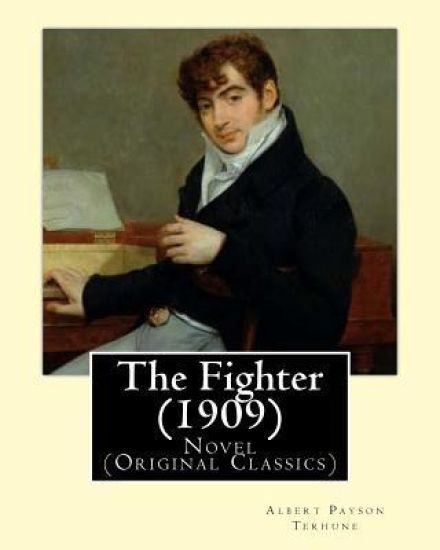
The Fighter (1909). By: Albert Payson Terhune: Novel (Original Classics)
Albert Payson Terhune
Createspace Independent Publishing Platform
2017
nidottu
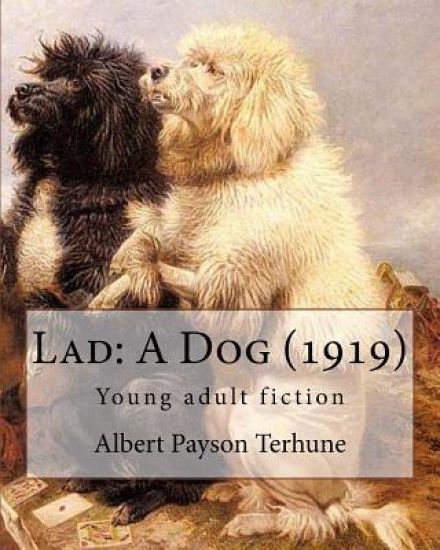
Lad: A Dog (1919). By: Albert Payson Terhune: Young adult fiction
Albert Payson Terhune
Createspace Independent Publishing Platform
2017
nidottu
Lad: A Dog is a 1919 American novel written by Albert Payson Terhune and published by E. P. Dutton. Composed of twelve short stories first published in magazines, the novel is based on the life of Terhune's real-life rough collie, Lad. Born in 1902, the real-life Lad was an unregistered collie of unknown lineage originally owned by Terhune's father. Lad's death in 1918 was mourned by many of the story's fans, particularly children. Through the stories of Lad's adventures, Terhune expresses his views on parenting, obtaining perfect obedience without force, and the nature and rights of the "well-bred". Terhune began writing the stories in 1915 at the suggestion of his Red Book Magazine editor. They gained in popularity and, as Terhune was under contractual obligation to submit something to Doubleday-Page, he collected them into novel form. After Doubleday rejected the novel, he solicited other publishers until it was picked up by Dutton. After a slow start, the novel became a best seller in the adult fiction and children's fiction markets, having been repositioned as a young adult novel by Grosset and Dunlap in the 1960s and 1970s. Selling over one million copies, it is Terhune's best-selling work and the one that propelled him to fame. It has been reprinted over 70 times by Dutton, and republished by a variety of publishers since its original release, including at least six international translations. Contemporaneous critics praised Terhune's writing style and the overall story appeal, while dog breeders criticized his unrealistic canine characters. In retrospective reviews, critics considered that the novel had aged badly, and that Terhune displayed little actual writing skill, but noted that the novel was able to hold long-lasting appeal as it triggered the reader's desire to have such an ideal dog. Terhune himself considered the novel "hack writing" and did not understand why it was so popular. Because of its reception, he went on to publish two additional novels featuring Lad and one featuring Lad's son, Wolf, as well as many other fictional stories featuring dogs. Warner Brothers released a film adaptation in June 1962. A series of four children's picture books based on three of the stories from the novel were published by Margo Lundell between 1997 and 1998. Albert Payson Terhune (December 21, 1872 - February 18, 1942) was an American author, dog breeder, and journalist. The public knows him best for his novels relating the adventures of his beloved collies and as a breeder of collies at his Sunnybank Kennels, the lines of which still exist in today's Rough Collies. As a tribute to Terhune, the dog in A Boy and His Dog calls his master Albert. The 1969 novella was written by Harlan Ellison. The 1975 film was directed by L. Q. Jones.
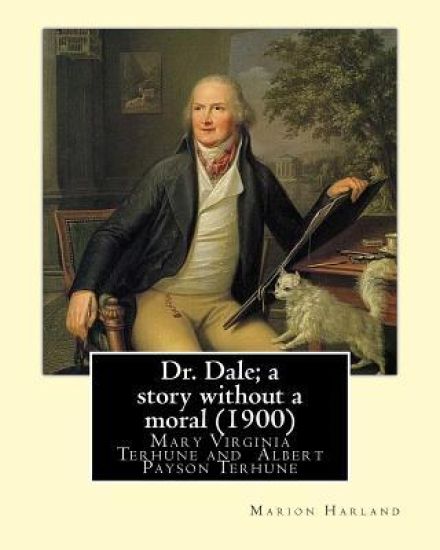
Dr. Dale; a story without a moral (1900) By: Marion Harland and By: Albert Payson Terhune: Mary Virginia Terhune (nee Hawes, December 21, 1830 - June
Albert Payson Terhune; Marion Harland
Createspace Independent Publishing Platform
2017
nidottu
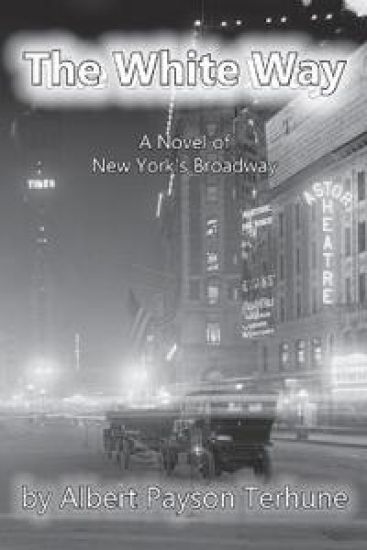
Black Caesar's clan; a Florida mystery story. By: Albert Payson Terhune (Original Classics)
Albert Payson Terhune
Createspace Independent Publishing Platform
2016
nidottu
Albert Payson Terhune (December 21, 1872 - February 18, 1942) was an American author, dog breeder, and journalist. The public knows him best for his novels relating the adventures of his beloved collies and as a breeder of collies at his Sunnybank Kennels, the lines of which still exist in today's Rough Collies. As a tribute to Terhune, the dog in A Boy and His Dog calls his master Albert. The 1969 novella was written by Harlan Ellison. The 1975 film was directed by L. Q. Jones. Albert Payson Terhune was born in New Jersey to Mary Virginia Hawes and the Reverend Edward Payson Terhune. His mother, Mary Virginia Hawes, was a writer of household management books and pre-Civil War novels under the name Marion Harland. Terhune had four sisters and one brother, though only two of his sisters lived to be adults: Christine Terhune Herrick (1859-1944); and Virginia Terhune Van De Water (1865-1945). Sunnybank (41.0012 N 74.2755 W) was originally the family's summer home, with Terhune making it his permanent residence in 1912. He was educated at Columbia University where he received a Bachelor of Arts degree in 1893. From 1894 to 1914, he worked as a reporter for The Evening World.
Lad: A Dog . NOVEL by: Albert Payson Terhune (World's Classics)
Albert Payson Terhune
Createspace Independent Publishing Platform
2016
nidottu
Lad: A Dog is a 1919 American novel written by Albert Payson Terhune and published by E. P. Dutton. Composed of twelve short stories first published in magazines, the novel is based on the life of Terhune's real-life rough collie, Lad. Born in 1902, the real-life Lad was an unregistered collie of unknown lineage originally owned by Terhune's father. Lad's death in 1918, was mourned by many of the story's fans, particularly children. Through the stories of Lad's adventures, Terhune expresses his views on parenting, obtaining perfect obedience without force, and the nature and rights of the "well-bred". Terhune began writing the stories in 1915 at the suggestion of his Red Book Magazine editor. They gained in popularity and, as Terhune was under contractual obligation to submit something to Doubleday-Page, he collected them into novel form. After Doubleday rejected the novel, he solicited other publishers until it was picked up by Dutton. After a slow start, the novel became a best seller in the adult fiction and children's fiction markets, having been repositioned as a young adult novel by Grosset and Dunlap in the 1960s and 1970s. Selling over one million copies, it is Terhune's best-selling work and the one that propelled him to fame. It has been reprinted over 70 times by Dutton, and republished by a variety of publishers since its original release, including at least six international translations.