Kirjojen hintavertailu – 12 859 829 kirjaa ja 27 kauppaa

Kirjailija

Alejandro de la Fuente

Kirjat ja teokset yhdessä paikassa: 7 kirjaa, julkaisuja vuosilta 2012–2026, suosituimpiin kuuluu Adapting to Adversity. Vertaile teosten hintoja ja tarkista saatavuus suomalaisista kirjakaupoista.

7 kirjaa

Kirjojen julkaisuvuodet: 2012–2026.

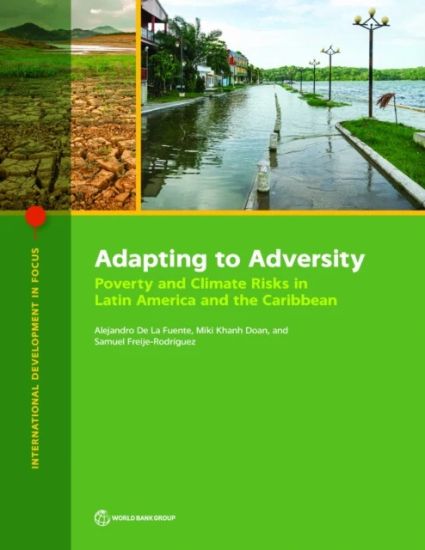
Adapting to Adversity

Adapting to Adversity

Alejandro de la Fuente; Samuel Freije; Miki Khanh Doan

WORLD BANK PUBLICATIONS
2026
nidottu
This book explores how climate hazards threaten progress against poverty in Latin America and the Caribbean. Using new data, original and past research, and real-world examples, it shows who is most at risk and how better policies can protect vulnerable families and secure lasting progress toward a more resilient and equitable future.
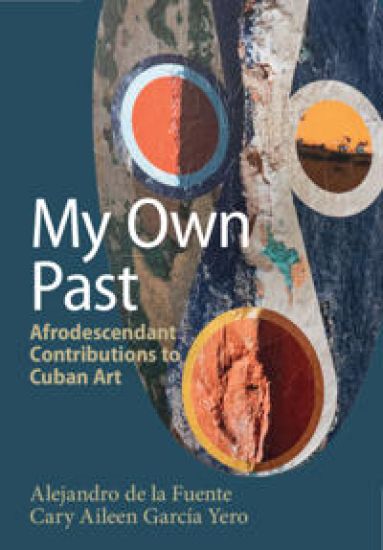
My Own Past

My Own Past

Alejandro de la Fuente; Cary Aileen García Yero

Cambridge University Press
2025
sidottu
In late eighteenth-century Havana, residents frequently referred to the existence of large communities of negros and pardos as 'officers in the trade of painter' and the authors of 'exquisite works.' But who are these artists, and where can we find their works? What sort of works did they produce? Where were they trained, and how did they master their crafts with such perfection? By centering the artistic production and social worlds of artists of African descent in Cuba since the colonial period, this revisionist history of Cuban art provides compelling answers to these questions. Carefully researched and cogently argued, the book explores the gendered racial biases that have informed the constitution of the Cuban art canon; exposes how the ideologues of the slave owning planter class institutionalized the association between 'fine arts' and key attributes of whiteness; and examines how this association continues to shape art historical narratives in Cuba.
Becoming Free, Becoming Black

Becoming Free, Becoming Black

Alejandro de la Fuente; Ariela J. Gross

Cambridge University Press
2021
pokkari
How did Africans become 'blacks' in the Americas? Becoming Free, Becoming Black tells the story of enslaved and free people of color who used the law to claim freedom and citizenship for themselves and their loved ones. Their communities challenged slaveholders' efforts to make blackness synonymous with slavery. Looking closely at three slave societies - Cuba, Virginia, and Louisiana - Alejandro de la Fuente and Ariela J. Gross demonstrate that the law of freedom - not slavery - established the meaning of blackness in law. Contests over freedom determined whether and how it was possible to move from slave to free status, and whether claims to citizenship would be tied to racial identity. Laws regulating the lives and institutions of free people of color created the boundaries between black and white, the rights reserved to white people, and the degradations imposed only on black people.
Becoming Free, Becoming Black

Becoming Free, Becoming Black

Alejandro de la Fuente; Ariela J. Gross

Cambridge University Press
2020
sidottu
How did Africans become 'blacks' in the Americas? Becoming Free, Becoming Black tells the story of enslaved and free people of color who used the law to claim freedom and citizenship for themselves and their loved ones. Their communities challenged slaveholders' efforts to make blackness synonymous with slavery. Looking closely at three slave societies - Cuba, Virginia, and Louisiana - Alejandro de la Fuente and Ariela J. Gross demonstrate that the law of freedom - not slavery - established the meaning of blackness in law. Contests over freedom determined whether and how it was possible to move from slave to free status, and whether claims to citizenship would be tied to racial identity. Laws regulating the lives and institutions of free people of color created the boundaries between black and white, the rights reserved to white people, and the degradations imposed only on black people.
Pathways to Prosperity in Rural Malawi

Pathways to Prosperity in Rural Malawi

Andrew Dabalen; Alejandro de la Fuente; Aparajita Goyal; Wendy Karamba; Nga Thi Viet Nguyen; Tomomi Tanaka

World Bank Publications
2017
nidottu
By most accounts, poverty reduction in rural Malawi has lacked dynamism in the past decade and the gains from prosperity have not always reached the poorest. This Report explores the obstacles to reducing rural poverty and proposes a set of potential solutions to overcome them.
Diago

Diago

Alejandro de la Fuente

Harvard Ukrainian Research Institute,U.S.
2017
nidottu
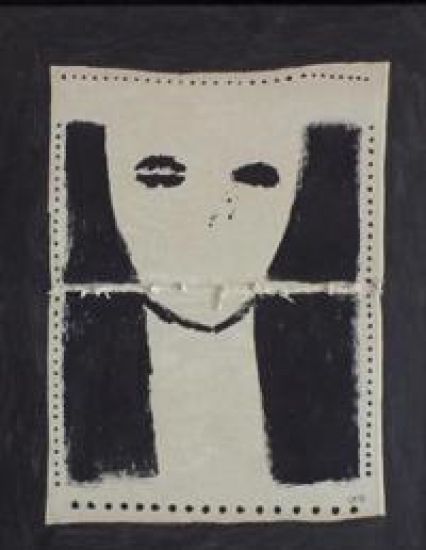
A leading member of the new Afro-Cuban cultural movement, visual artist Juan Roberto Diago (b. 1971) has produced a body of work that offers a revisionist history of the Cuban nation. His “history”—a term he frequently inserts in his works using the visual language of graffiti—is not the official narrative of a racially harmonious nation, built thanks to the selfless efforts of generous white patriots. Diago’s Cuba is a nation built on pain, rape, greed, and the enslavement of millions of displaced Africans, a nation still grappling with the long-term effects of slavery and colonialism. To him, slavery is not the past, but a daily experience of racism and discrimination. Africa is not a root, but a wellspring of cultural renovation and personal affirmation, the ancestors that sustain him in his journey. In the first examination of Diago’s creative work during his entire career, Alejandro de la Fuente provides parallel English- and Spanish-language text, illustrated throughout. The book traces Diago’s singular efforts to construct new pasts—the pasts required to explain the racial tensions of contemporary Cuba and the pasts of this Afro-Cuban present.