
Kirjojen hintavertailu – 12 903 725 kirjaa ja 27 kauppaa

Kirjailija

Ales Erjavec

Kirjat ja teokset yhdessä paikassa: 2 kirjaa, julkaisuja vuosilta 2013–2024, suosituimpiin kuuluu Art, Philosophy, and Ideology: Writings on Aesthetics and Visual Culture from the Avantgarde to Postsocialism. Vertaile teosten hintoja ja tarkista saatavuus suomalaisista kirjakaupoista.

2 kirjaa

Kirjojen julkaisuvuodet: 2013–2024.

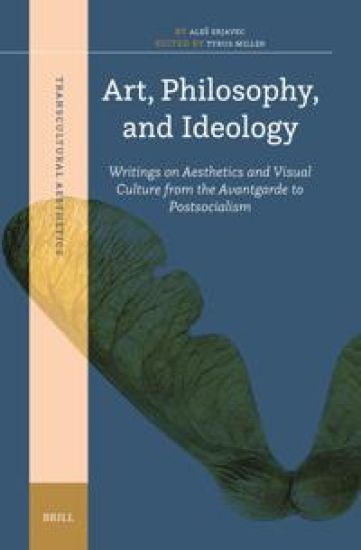
Art, Philosophy, and Ideology: Writings on Aesthetics and Visual Culture from the Avantgarde to Postsocialism
This volume presents a selection of aesthetic and art theoretical writings by the internationally renowned philosopher Ales Erjavec from the 1990s to the present. Erjavec was an active participant in the artistic revolt in Slovenia throughout the 1980 and became one of the most notable international theorists of late- and post-socialist developments in art. His work also extended to new, emergent forms of contemporary art and visual culture in global art and culture networks. The diverse contexts and artists with which he has engaged gives him a unique critical perspective on major debates in philosophical aesthetics and art theory.
Art and Aesthetics After Adorno

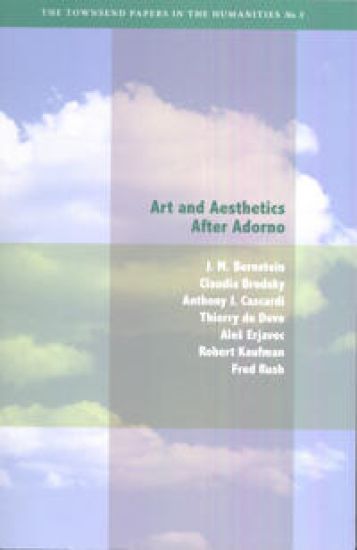
Art and Aesthetics After Adorno

J. M. Bernstein; Claudia Brodsky; Anthony J. Cascardi; Thierry de Duve; Ales Erjavec; Robert Kaufman; Fred Rush

Fordham University Press
2013
pokkari
Theodor Adorno's Aesthetic Theory (1970) offers one of the most powerful and comprehensive critiques of art and of the discipline of aesthetics ever written. The work offers a deeply critical engagement with the history and philosophy of aesthetics and with the traditions of European art through the middle of the 20th century. It is coupled with ambitious claims about what aesthetic theory ought to be. But the cultural horizon of Adorno's Aesthetic Theory was the world of high modernism, and much has happened since then both in theory and in practice. Adorno's powerful vision of aesthetics calls for reconsideration in this light. Must his work be defended, updated, resisted, or simply left behind? This volume gathers new essays by leading philosophers, critics, and theorists writing in the wake of Adorno in order to address these questions. They hold in common a deep respect for the power of Adorno's aesthetic critique and a concern for the future of aesthetic theory in response to recent developments in aesthetics and its contexts.