Kirjojen hintavertailu – 12 903 725 kirjaa ja 27 kauppaa

Kirjailija

Alex Broom

Kirjat ja teokset yhdessä paikassa: 17 kirjaa, julkaisuja vuosilta 2007–2026, suosituimpiin kuuluu Mixology - Short Stories. Vertaile teosten hintoja ja tarkista saatavuus suomalaisista kirjakaupoista.

17 kirjaa

Kirjojen julkaisuvuodet: 2007–2026.

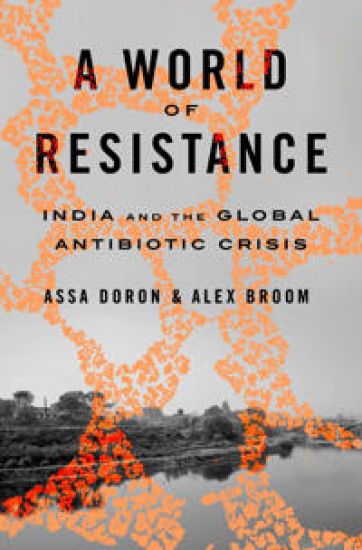
A World of Resistance

A World of Resistance

Assa Doron; Alex Broom

HARVARD UNIVERSITY PRESS
2026
sidottu
A sweeping analysis uncovers the causes of—and solutions to—one of the most daunting public health challenges facing the world today: antibiotic resistance exploding in India. The discovery of antibiotics was one of the most significant medical breakthroughs of the twentieth century, dramatically increasing human lifespans. Yet today, with antibiotic-resistant superbugs implicated in as many deaths as HIV/AIDS and malaria combined, the limits of these miracle drugs have become alarmingly clear. At ground zero of the growing crisis is India, one of the world’s largest consumers of antibiotics and a powerhouse in pharmaceutical manufacturing. In A World of Resistance, Assa Doron and Alex Broom draw on years of fieldwork in hospitals, in pharmacies, and on factory farms to examine the enormous social and environmental costs of overreliance on antibiotics. They show how an overtaxed healthcare system with limited oversight, widespread use of antibiotics in industrial agriculture, and the incessant dumping of pharmaceutical waste into waterways have created the ideal conditions for antibiotic-resistant microbes to grow. As resistance spreads across India and beyond, Doron and Broom argue that the solution isn’t to restrict access to antibiotics but to embrace culturally relevant forms of health education, indigenous practices, and policies grounded in social solidarity. Only then, the authors contend, is it possible to turn the page on India’s precarious relationship with antibiotics and to address resistance globally before it is too late.
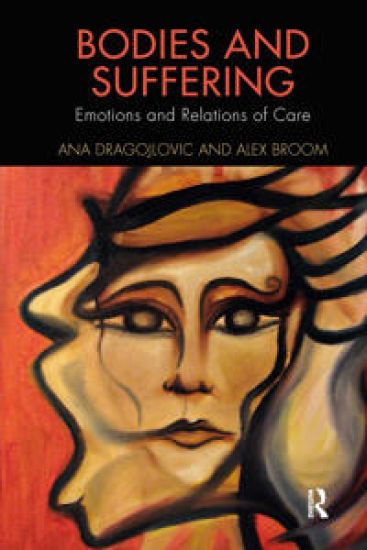
Bodies and Suffering

Bodies and Suffering

Ana Dragojlovic; Alex Broom

TAYLOR FRANCIS LTD
2023
nidottu
This book is a critical response to a range of problems – some theoretical, others empirical – that shape questions surrounding the lived experience of suffering. It explores how moral and ethical questions of personal suffering are experienced, contested, negotiated and institutionalised. Bodies and Suffering investigates the moral labour and significance invested in actions to care for others, or in failing to do so. It also explores circumstances – personal, political and social – under which that which is perceived as non-moral becomes moral. Drawing on case studies and empirical research, Bodies and Suffering examines the idea of the suffering body across different cultures and contexts and the experience and treatment of these suffering bodies. The book draws on theories of affect, embodiment, the phenomenology of illness and moralities of care, to produce a nuanced understanding of suffering as being located across the assumed borders of time, space, bodies, persons and things. Suitable for bioethicists, medical anthropologists, health sociologists and body studies scholars, Bodies and Suffering will also be of use on health science courses as essential reading on suffering bodies, mental health and morality and ethics issues.
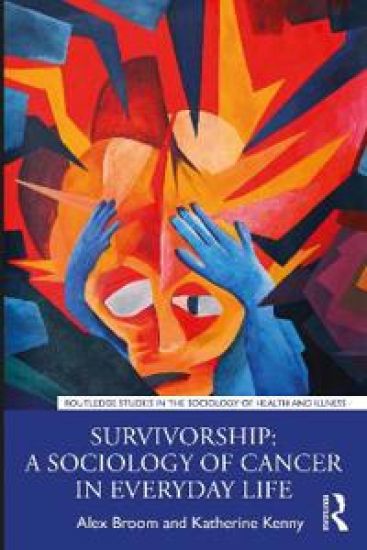
Survivorship: A Sociology of Cancer in Everyday Life

Survivorship: A Sociology of Cancer in Everyday Life

Alex Broom; Katherine Kenny

CRC Press Inc
2021
nidottu
This book provides a contemporary and comprehensive examination of cancer in everyday life, drawing on qualitative research with people living with cancer, their family members and health professionals. It explores the evolving and enduring affects of cancer for individuals, families and communities, with attention to the changing dynamics of survivorship, including social relations around waiting, uncertainty, hope, wilfulness, obligation, responsibility and healing. Challenging simplistic deployments of survivorship and drawing on contemporary and classical social theory, it critically examines survivorship through innovative qualitative methodologies including interviews, focus groups, participant produced photos and solicited diaries. In assembling this panoramic view of cancer in the twenty-first century, it also enlivens core debates in sociology, including questions around individual agency, subjectivity, temporality, normativity, resistance, affect and embodiment. A thoughtful account of cancer embedded in the undulations of the everyday, narrated by its subjects and those who informally and formally care for them, Survivorship: A Sociology of Cancer in Everyday Life outlines new ways of thinking about survivorship for sociologists, health and medical researchers and those working in cancer care settings.
Survivorship: A Sociology of Cancer in Everyday Life

Survivorship: A Sociology of Cancer in Everyday Life

Alex Broom; Katherine Kenny

CRC Press Inc
2021
sidottu
This book provides a contemporary and comprehensive examination of cancer in everyday life, drawing on qualitative research with people living with cancer, their family members and health professionals. It explores the evolving and enduring affects of cancer for individuals, families and communities, with attention to the changing dynamics of survivorship, including social relations around waiting, uncertainty, hope, wilfulness, obligation, responsibility and healing. Challenging simplistic deployments of survivorship and drawing on contemporary and classical social theory, it critically examines survivorship through innovative qualitative methodologies including interviews, focus groups, participant produced photos and solicited diaries. In assembling this panoramic view of cancer in the twenty-first century, it also enlivens core debates in sociology, including questions around individual agency, subjectivity, temporality, normativity, resistance, affect and embodiment. A thoughtful account of cancer embedded in the undulations of the everyday, narrated by its subjects and those who informally and formally care for them, Survivorship: A Sociology of Cancer in Everyday Life outlines new ways of thinking about survivorship for sociologists, health and medical researchers and those working in cancer care settings.
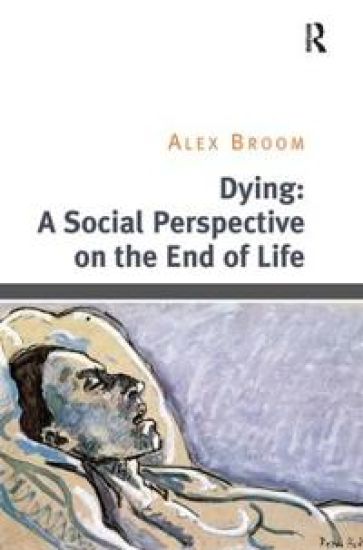
Dying: A Social Perspective on the End of Life
An inevitable and universal experience, dying is experienced by individuals in different ways, often related to the character of our relationships, family structures, gender identities, cultural backgrounds, and economic means. Drawing on extensive qualitative fieldwork with patients, carers and health professionals in Australia and the United Kingdom, Dying: A Social Perspective on the End of Life provides a critical examination of the different spheres of dying, in social and cultural context. Exploring complex issues such as the politics of assisted dying, negotiating medical futility, gender and dying, the desire for redemption, the moralities of 'the good fight' and the lived experience of bodily disintegration, this book links novel theoretical ideas within sociology to cutting-edge empirical data collected in palliative and end-of-life care contexts. A theoretically engaged understanding of the social mediation of the end of life, Dying: A Social Perspective on the End of Life also sheds light on the manner in which the end of life can be shaped by major economic, cultural and socio-cultural shifts including neo-liberalism, individualisation, medicalisation, professionalisation and detraditionalisation. As such, it will appeal to social science, health and medical researchers interested in the end of life, as well as those working in palliative and end-of-life care settings.
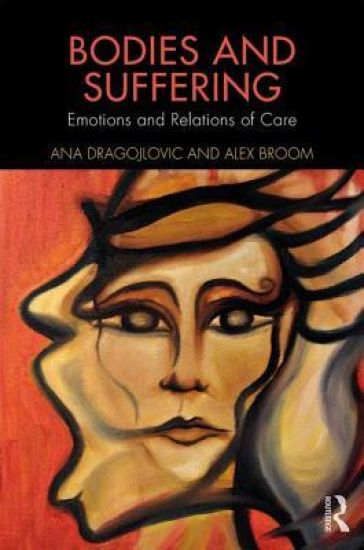
Bodies and Suffering

Bodies and Suffering

Ana Dragojlovic; Alex Broom

Routledge
2017
sidottu
This book is a critical response to a range of problems – some theoretical, others empirical – that shape questions surrounding the lived experience of suffering. It explores how moral and ethical questions of personal suffering are experienced, contested, negotiated and institutionalised. Bodies and Suffering investigates the moral labour and significance invested in actions to care for others, or in failing to do so. It also explores circumstances – personal, political and social – under which that which is perceived as non-moral becomes moral. Drawing on case studies and empirical research, Bodies and Suffering examines the idea of the suffering body across different cultures and contexts and the experience and treatment of these suffering bodies. The book draws on theories of affect, embodiment, the phenomenology of illness and moralities of care, to produce a nuanced understanding of suffering as being located across the assumed borders of time, space, bodies, persons and things. Suitable for bioethicists, medical anthropologists, health sociologists and body studies scholars, Bodies and Suffering will also be of use on health science courses as essential reading on suffering bodies, mental health and morality and ethics issues.
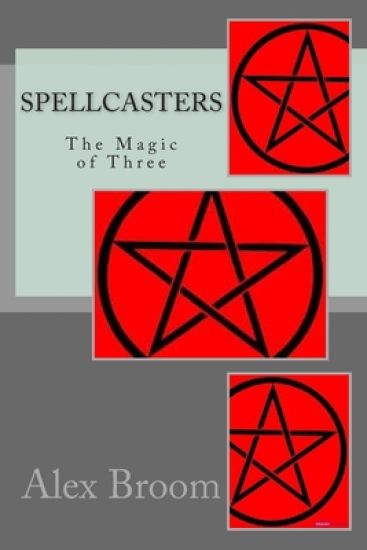
Spellcasters: The Magic of Three

Spellcasters: The Magic of Three

Alex Broom

Createspace Independent Publishing Platform
2015
nidottu
Jesse, Alice and Thomas Dobson are three siblings who when they wake up on Halloween learn that they witches. At first surprised, they don't believe it until they try some magic. More prove comes to them when they summon their deceased parents and grandmother. They also learn that Dark Forces will be out to get them and their magic. Can the Dobson Siblings battle the evil that's on it's way to them?
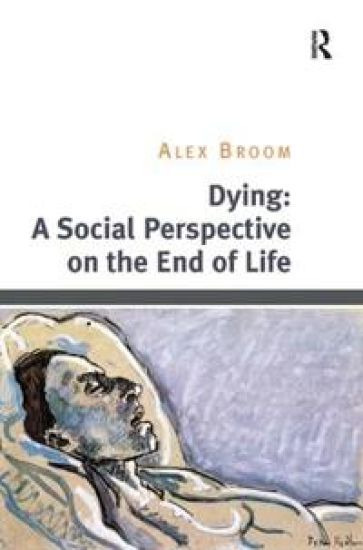
Dying: A Social Perspective on the End of Life

Dying: A Social Perspective on the End of Life

Alex Broom

Ashgate Publishing Limited
2015
sidottu
An inevitable and universal experience, dying is experienced by individuals in different ways, often related to the character of our relationships, family structures, gender identities, cultural backgrounds, and economic means. Drawing on extensive qualitative fieldwork with patients, carers and health professionals in Australia and the United Kingdom, Dying: A Social Perspective on the End of Life provides a critical examination of the different spheres of dying, in social and cultural context. Exploring complex issues such as the politics of assisted dying, negotiating medical futility, gender and dying, the desire for redemption, the moralities of 'the good fight' and the lived experience of bodily disintegration, this book links novel theoretical ideas within sociology to cutting-edge empirical data collected in palliative and end-of-life care contexts. A theoretically engaged understanding of the social mediation of the end of life, Dying: A Social Perspective on the End of Life also sheds light on the manner in which the end of life can be shaped by major economic, cultural and socio-cultural shifts including neo-liberalism, individualisation, medicalisation, professionalisation and detraditionalisation. As such, it will appeal to social science, health and medical researchers interested in the end of life, as well as those working in palliative and end-of-life care settings.
Therapeutic Pluralism

Therapeutic Pluralism

Alex Broom; Philip Tovey

Routledge
2008
nidottu
The profile of complementary and alternative medicine (CAM) has risen dramatically over the last decade and cancer patients represent its most prolific users. As a result, the NHS and UK cancer services are attempting to develop a wider range of therapeutic options for patients. Despite such developments, little is known about why cancer patients use CAM, its perceived benefits and the perspectives of the doctors and nurses involved. Drawing on extensive fieldwork in the UK, Therapeutic Pluralism includes over 120 interviews with cancer patients and professionals, plus innovative ‘diary’ data which, for the first time, detail the experiences of CAM users. It gives a systematic analysis of issues such as: The development of patient preferences and influences on decision making Expectations of CAM and interpretations of ‘success’ in cancer treatment The nature and importance of ‘evidence’ and ‘effectiveness’ for patients The organisational dynamics involved in integrating CAM into the NHS Pathways to CAM and the role of the Internet The role of oncology clinicians in patients’ experiences of cancer and their use of CAMs Therapeutic Pluralism is essential reading for students and researchers of medical sociology, complementary and alternative medicine and cancer. It will also be useful to medical and health professionals, and policy-makers with an interest in complementary and alternative medicine.
Therapeutic Pluralism

Therapeutic Pluralism

Alex Broom; Philip Tovey

Routledge
2008
sidottu
The profile of complementary and alternative medicine (CAM) has risen dramatically over the last decade and cancer patients represent its most prolific users. As a result, the NHS and UK cancer services are attempting to develop a wider range of therapeutic options for patients. Despite such developments, little is known about why cancer patients use CAM, its perceived benefits and the perspectives of the doctors and nurses involved. Drawing on extensive fieldwork in the UK, Therapeutic Pluralism includes over 120 interviews with cancer patients and professionals, plus innovative ‘diary’ data which, for the first time, detail the experiences of CAM users. It gives a systematic analysis of issues such as: The development of patient preferences and influences on decision making Expectations of CAM and interpretations of ‘success’ in cancer treatment The nature and importance of ‘evidence’ and ‘effectiveness’ for patients The organisational dynamics involved in integrating CAM into the NHS Pathways to CAM and the role of the Internet The role of oncology clinicians in patients’ experiences of cancer and their use of CAMs Therapeutic Pluralism is essential reading for students and researchers of medical sociology, complementary and alternative medicine and cancer. It will also be useful to medical and health professionals, and policy-makers with an interest in complementary and alternative medicine.
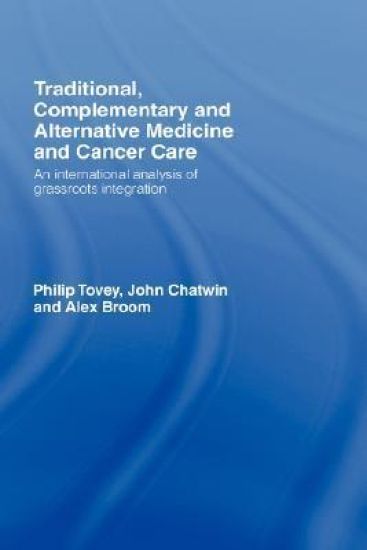
Traditional, Complementary and Alternative Medicine and Cancer Care

Traditional, Complementary and Alternative Medicine and Cancer Care

Philip Tovey; John Chatwin; Alex Broom

Routledge
2007
nidottu
Drawing on comparative fieldwork in the UK, Pakistan and Australia, this book provides the first systematic assessment of pathways and access to CAM and how it is used in health practice and by individuals with cancer. Giving fresh and invaluable insights into how differing health and societal structures influence the use complementary and alternative medicine, the book explores:the empirical, theoretical, and policy context for the study of CAM/TM and cancerthe history and character of the eight support groups in which fieldwork took place in the UK, Australia and Pakistan the nature and structure of patient support groups' history, affiliation and evolution how groups function on a day-to-day basis the extent to which what is being offered in these CAM-oriented groups is in any way innovative and challenging to the therapeutic and organisational mainstream the value of sociological work in the field which is not tied to immediate and narrow policy objectives. This is an essential resource for those studying complementary and alternative medicine sociologically, to those involved in the provision of cancer care on a day-to-day basis, and to those looking to establish a more informed (evidence-based) policy.
Traditional, Complementary and Alternative Medicine and Cancer Care

Traditional, Complementary and Alternative Medicine and Cancer Care

Philip Tovey; John Chatwin; Alex Broom

Routledge
2007
sidottu
Drawing on comparative fieldwork in the UK, Pakistan and Australia, this book provides the first systematic assessment of pathways and access to CAM and how it is used in health practice and by individuals with cancer. Giving fresh and invaluable insights into how differing health and societal structures influence the use complementary and alternative medicine, the book explores:the empirical, theoretical, and policy context for the study of CAM/TM and cancerthe history and character of the eight support groups in which fieldwork took place in the UK, Australia and Pakistan the nature and structure of patient support groups' history, affiliation and evolution how groups function on a day-to-day basis the extent to which what is being offered in these CAM-oriented groups is in any way innovative and challenging to the therapeutic and organisational mainstream the value of sociological work in the field which is not tied to immediate and narrow policy objectives. This is an essential resource for those studying complementary and alternative medicine sociologically, to those involved in the provision of cancer care on a day-to-day basis, and to those looking to establish a more informed (evidence-based) policy.