

Kirjailija
Alex Kendall
Kirjat ja teokset yhdessä paikassa: 8 kirjaa, julkaisuja vuosilta 2011–2026, suosituimpiin kuuluu Don't Be the Victim. Vertaile teosten hintoja ja tarkista saatavuus suomalaisista kirjakaupoista.
8 kirjaa
Kirjojen julkaisuvuodet: 2011–2026.
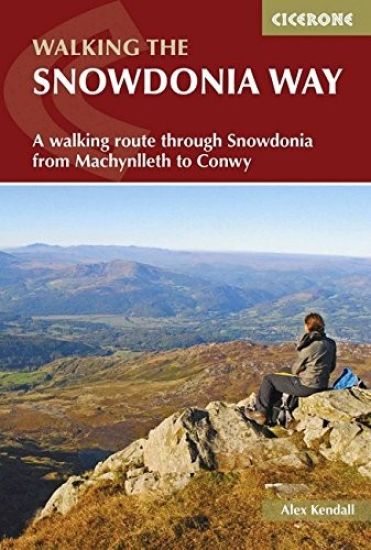
Guidebook to walking the Snowdonia Way in Wales, a long-distance route through Eryri (Snowdonia) National Park from Machynlleth to Conwy. The low-level route of 97 miles (6 to 8 stages) includes the Pass of Aberglaslyn, the Ogwen Valley and Aber Falls. The mountain route is 122 miles in 9 stages, including Cadair Idris, Yr Wyddfa (Snowdon) and the Glyders.


Guidebook describing low-level and easy walking in Snowdonia, Wales. From 3km to 18km, these routes showcase the region's beautiful scenery and rich history and culture. Part of a 2-volume set, this southern volume includes Trawsfynydd, Bala, Dolgellau, Machynlleth, the Harlech Coast and the valleys of the Mawddach and Dyfi.

Guidebook describing 30 walks in Snowdonia, Wales. Routes are mostly low level and on clear paths and showcase the region's beautiful scenery and rich history and culture. Part of a 2-volume set, this northern volume includes the Snowdon area, the Ogwen and Conwy Valleys, Betws-y-Coed, Beddgelert, Ffestiniog and the coast.

The him lives in a desert world, long after The Fall of Civilization. Food is scarce, except for coconuts found in oases, and cannibalism is a common practice. Language is devolving as the human population dwindles. Rainfall is highly acidic, and people are forced to burrow underground when the rain falls to avoid burning to death. When children reach a certain age, most become The Children; powerful, mindless, cannibalistic monsters that only come out at night. Most people are addicted to The Drug, which makes them temporarily forget about the world that they live in. The Drug can, and does, kill. All the while, the him is searching for the one item from before the fall, the one item that survived it all: The Destroyer.
This provocative text considers the state of media and cultural studies today after the demolition of the traditional media paradigm, and engages with the new, active consumer culture. Media Studies, particularly within schools, has until recently been concerned with mass media and the effects of ‘the media’ in society and on people. As new media technology has blurred the boundaries between the audience and the media, the status of this area of education is threatened. Whilst some have called for a drastic re-think (Media Studies 2.0), others have called for caution, arguing that the power dynamics of ownership and gatekeeping are left intact. This book uses cultural and technological change as a context for a more forensic exploration of the traditional dependence on the idea of ‘the media’ as one homogenous unit. It suggests that it would be liberating for students, teachers and academics to depart from such a model and shift the focus to people and how they create culture in this contemporary ‘mediascape’.
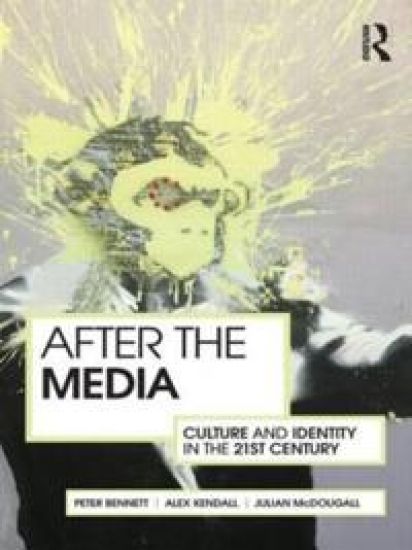
This provocative text considers the state of media and cultural studies today after the demolition of the traditional media paradigm, and engages with the new, active consumer culture. Media Studies, particularly within schools, has until recently been concerned with mass media and the effects of ‘the media’ in society and on people. As new media technology has blurred the boundaries between the audience and the media, the status of this area of education is threatened. Whilst some have called for a drastic re-think (Media Studies 2.0), others have called for caution, arguing that the power dynamics of ownership and gatekeeping are left intact. This book uses cultural and technological change as a context for a more forensic exploration of the traditional dependence on the idea of ‘the media’ as one homogenous unit. It suggests that it would be liberating for students, teachers and academics to depart from such a model and shift the focus to people and how they create culture in this contemporary ‘mediascape’.