Kirjojen hintavertailu – 12 903 725 kirjaa ja 27 kauppaa

Kirjailija

Alfred Döblin

Kirjat ja teokset yhdessä paikassa: 63 kirjaa, julkaisuja vuosilta 1991–2027, suosituimpiin kuuluu Erään rentukan murha. Vertaile teosten hintoja ja tarkista saatavuus suomalaisista kirjakaupoista.

Nimi esiintyy myös muodoissa: Alfred Doblin

63 kirjaa

Kirjojen julkaisuvuodet: 1991–2027.

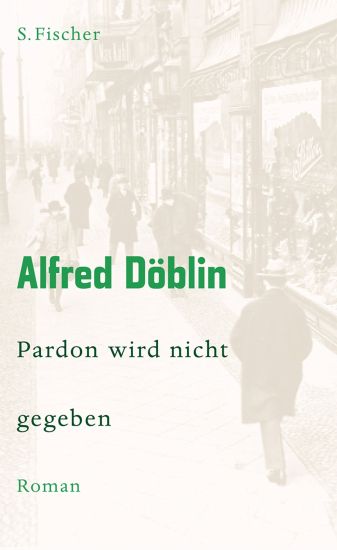
Pardon wird nicht gegeben

Pardon wird nicht gegeben

Alfred Döblin

FISCHER, S.
2008
sidottu
Eine Witwe zieht nach Berlin und versucht sich dort mit ihren drei Kindern durchzuschlagen. Nach einem gescheiterten Selbstmordversuch richtet sich ihr neu erwachter Ehrgeiz auf die Karriere des ältesten Sohnes. Und tatsächlich gelingt dem Sohn der gesellschaftliche Aufstieg. Dann aber stellt die Wirtschaftkrise plötzlich wieder alles in Frage... Wie immer bei Döblin erzählt auch dieser Familienroman aus dem Jahr 1935 zugleich die Geschichte einer ganzen Epoche.
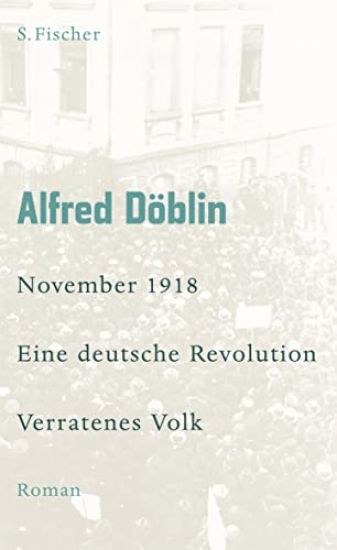
November 1918 - Eine deutsche Revolution
Im zweiten Band von :November 19189 richtet sich Döblins kritischer Blick auf die wichtigsten politischen Protagonisten der unmittelbaren Nachkriegszeit: auf die reaktionäre Oberste Heerleitung, auf den Spartakusbund mit Karl Liebknecht an der Spitze, vor allem aber auf den Rat der Volksbeauftragten unter Führung von Friedrich Ebert. Der Sozialdemokrat erscheint aus Döblins Sicht als großer Verräter an der Revolution. Im Grunde aber ist es das deutsche Volk selbst, das alle Hoffnungen auf einen wirklichen Neuanfang zerstört.
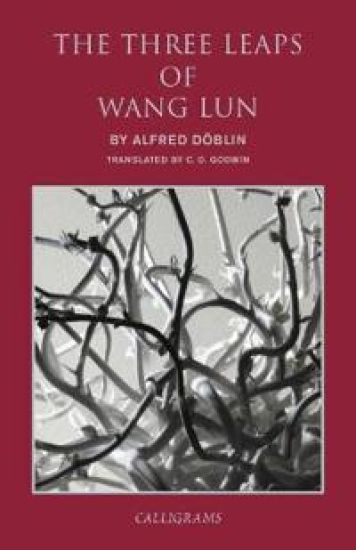
The Three Leaps of Wang Lun

The Three Leaps of Wang Lun

Alfred Doblin

The Chinese University Press
1991
nidottu
Here for the first time in English is Alfred Döblin's astonishing epic of eighteenth century China, hailed on its publication in 1915 as a master-piece of Expressionist prose, and since recognised to be the first modern German novel. The Three Leaps of Wang Lun is the story of a doomed sectarian rebellion during the reign of Emperor Ch'ien-lung (1736-1796). It is also the most sustained evocation, in any European language, of a China untouched by the West. Döblin's imagination, almost hallucinatory in its intensity, brings this China to vivid life. Teeming cities and Tibetan wastes, political intrigue and religious yearning, life at Court and the fate of wandering outcasts are depicted in a language of enormous vigour, unfolding the theme of meekness against force, a mystical sense of the world against the realities of power. This translation for the first time presents the whole work as Döblin wrote it. The inclusion of the Prologue, dropped from the first German edition and never replaced, restores a unity of structure and theme missing from previous editions. The Introduction places the novel in the context of Döblin's life and work, the Expressionist movement and the historical background, and discusses its theme and style.