Kirjojen hintavertailu – 12 859 828 kirjaa ja 27 kauppaa

Kirjailija

Alice Leal

Kirjat ja teokset yhdessä paikassa: 5 kirjaa, julkaisuja vuosilta 2014–2024, suosituimpiin kuuluu Is the Glass Half Empty or Half Full? Reflections on Translation Theory and Practice in Brazil. Vertaile teosten hintoja ja tarkista saatavuus suomalaisista kirjakaupoista.

5 kirjaa

Kirjojen julkaisuvuodet: 2014–2024.

Language Policy and the Future of Europe

Language Policy and the Future of Europe

Alice Leal; Seán Ó Riain

TAYLOR FRANCIS LTD
2024
nidottu
This volume offers an insider perspective on language policy in the EU, bringing together two key figures well acquainted with its development to reflect critically on the future of language policy and practices in post-Brexit Europe. Born out of Alice Leal’s English and Translation in the European Union, this volume features annotated interviews with Seán Ó Riain, newly appointed Multilingualism Officer by the Irish diplomatic service, whose decades of experience in key milestones in EU language policy offer a unique perspective on its development. Each chapter, bookended by a contextual introduction and a closing commentary by Leal, addresses such key questions as: How long can the EU keep linguistic and cultural spheres off the policy-making agenda? How has the ECRML impacted linguistic diversity in the region? How widespread is the dominance of English in EU institutions today and what impact does it have on EU multilingualism? Why is EU language policy not given the attention it warrants? What does the future of language policy hold in this post-Brexit era? Providing exclusive insights into EU language policy, this book will appeal to scholars in applied linguistics, translation studies, sociolinguistics, and political science, as well as stakeholders in language policy and planning.
Language Policy and the Future of Europe

Language Policy and the Future of Europe

Alice Leal; Seán Ó Riain

TAYLOR FRANCIS LTD
2023
sidottu
This volume offers an insider perspective on language policy in the EU, bringing together two key figures well acquainted with its development to reflect critically on the future of language policy and practices in post-Brexit Europe. Born out of Alice Leal’s English and Translation in the European Union, this volume features annotated interviews with Seán Ó Riain, newly appointed Multilingualism Officer by the Irish diplomatic service, whose decades of experience in key milestones in EU language policy offer a unique perspective on its development. Each chapter, bookended by a contextual introduction and a closing commentary by Leal, addresses such key questions as: How long can the EU keep linguistic and cultural spheres off the policy-making agenda? How has the ECRML impacted linguistic diversity in the region? How widespread is the dominance of English in EU institutions today and what impact does it have on EU multilingualism? Why is EU language policy not given the attention it warrants? What does the future of language policy hold in this post-Brexit era? Providing exclusive insights into EU language policy, this book will appeal to scholars in applied linguistics, translation studies, sociolinguistics, and political science, as well as stakeholders in language policy and planning.
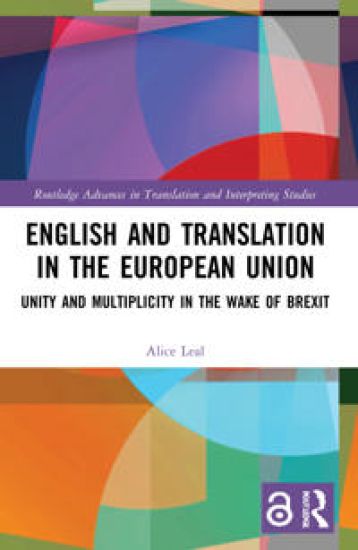
English and Translation in the European Union
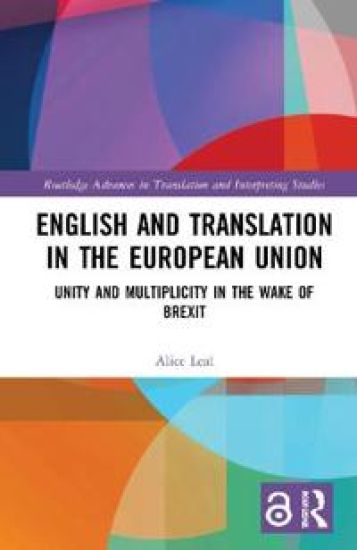
This book explores the growing tension between multilingualism and monolingualism in the European Union in the wake of Brexit, underpinned by the interplay between the rise of English as a lingua franca and the effacement of translations in EU institutions, bodies and agencies. English and Translation in the European Union draws on an interdisciplinary approach, highlighting insights from applied linguistics and sociolinguistics, translation studies, philosophy of language and political theory, while also looking at official documents and online resources, most of which are increasingly produced in English and not translated at all – and the ones which are translated into other languages are not labelled as translations. In analysing this data, Alice Leal explores issues around language hierarchy and the growing difficulty in reconciling the EU’s approach to promoting multilingualism while fostering monolingualism in practice through the diffusion of English as a lingua franca, as well as questions around authenticity in the translation process and the boundaries between source and target texts. The volume also looks ahead to the implications of Brexit for this tension, while proposing potential ways forward, encapsulated in the language turn, the translation turn and the transcultural turn for the EU. Offering unique insights into contemporary debates in the humanities, this book will be of interest to scholars in translation studies, applied linguistics and sociolinguistics, philosophy and political theory.