Kirjojen hintavertailu – 12 903 735 kirjaa ja 27 kauppaa
Kirjailija
Alice Waters
Kirjat ja teokset yhdessä paikassa: 29 kirjaa, julkaisuja vuosilta 1986–2026, suosituimpiin kuuluu Ne Yersek Oyuz. Vertaile teosten hintoja ja tarkista saatavuus suomalaisista kirjakaupoista.
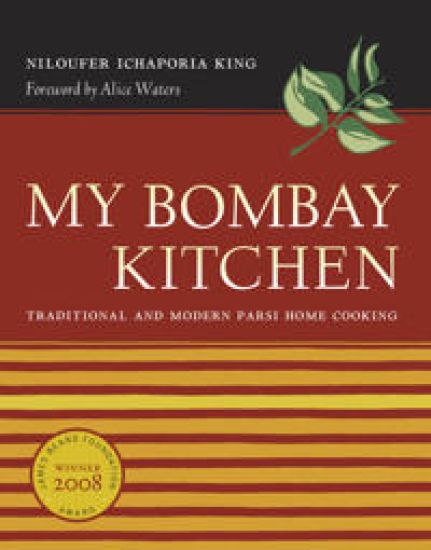
The Persians of antiquity were renowned for their lavish cuisine and their never-ceasing fascination with the exotic. These traits still find expression in the cooking of India's rapidly dwindling Parsi population—descendants of Zoroastrians who fled Persia after the Sassanian empire fell to the invading Arabs. The first book published in the United States on Parsi food written by a Parsi, this beautiful volume includes 165 recipes and makes one of India's most remarkable regional cuisines accessible to Westerners. In an intimate narrative rich with personal experience, the author leads readers into a world of new ideas, tastes, ingredients, and techniques, with a range of easy and seductive menus that will reassure neophytes and challenge explorers.
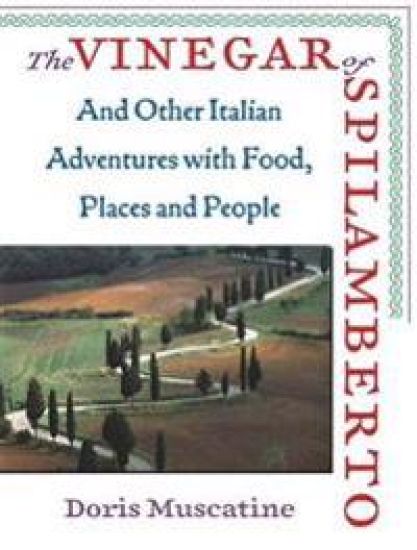
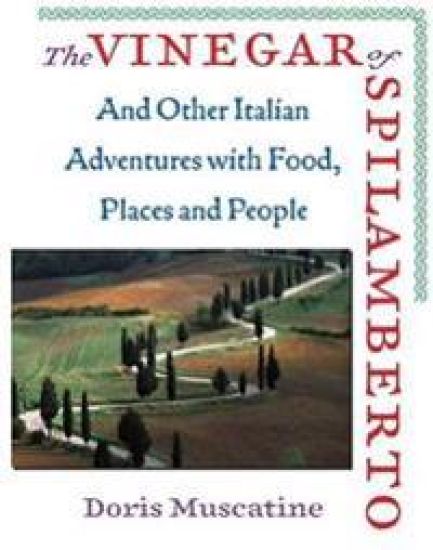
In 1958, Doris Muscatine's husband was awarded a Fulbright that required them to live a year in Rome, and so began a love affair with Italy that would continue for the rest of their lives. This is a memoir of a happy life, one spent devoted to family, friends, food, and a growing sense of international understanding filled with hope and respect. With the skill of a landscape painter and the ear of a poet, Doris Muscatine writes of the pleasures of the flesh and of the soul. She takes us along on her search for truffles and balsamic vinegar, her visits to Sicily and Venice, her stay with the nuns of Populonia, and her accidental meeting with members of the Slow Food movement. Her adventures are filled with the serendipity of someone in love with the world and willing to allow life to unfold at its own pace.
In 1958, Doris Muscatine's husband, a medieval scholar, got a Fulbright for a year of research in Italy. They lived in Rome and almost immediately became hopeless Italophiles. The Vinegar of Spilamberto is the enchanting story of their experiences. The couple returned often, staying in various apartments a house in Venice, a medieval tower in Tuscany, and a villa on the Appia Antica with its own catacombs. From such small places as Populonia and Rovescala to bigger ones like Riace and Dozza, the family immersed themselves in the Italy off the typical tourist tracks. Muscatine describes the extreme cultural differences everywhere, but most notable in Sicily, and delights in various foods including Il Ranocchio, dall'antipasto al dolce (The Frog, from antipasto to dessert) and the wines that went with them. Chapters are devoted to the Italian appreciation of slow food and of special products such as truffles and balsamic vinegar.
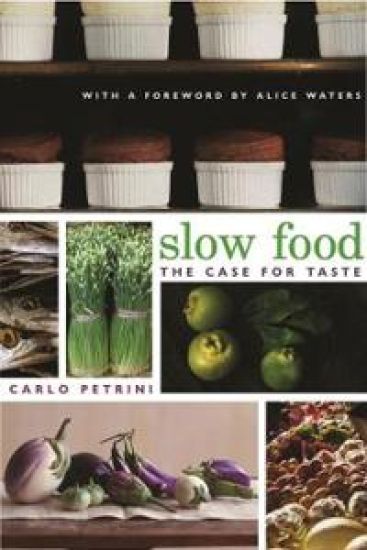
Take a breath... Read slowly. How often in the course and crush of our daily lives do we afford ourselves moments to truly relish-to truly be present in-the act of preparing and eating food? For most of us, our enjoyment of food has fallen victim to the frenetic pace of our lives and to our increasing estrangement, in a complex commercial economy, from the natural processes by which food is grown and produced. Packaged, artificial, and unhealthful, fast food is only the most dramatic example of the degradation of food in our lives, and of the deeper threats to our cultural, political, and environmental well-being. In 1986, Carlo Petrini decided to resist the steady march of fast food and all that it represents when he organized a protest against the building of a McDonald's near the Spanish Steps in Rome. Armed with bowls of penne, Petrini and his supporters spawned a phenomenon. Three years later Petrini founded the International Slow Food Movement, renouncing not only fast food but also the overall pace of the "fast life." Issuing a manifesto, the Movement called for the safeguarding of local economies, the preservation of indigenous gastronomic traditions, and the creation of a new kind of ecologically aware consumerism committed to sustainability. On a practical level, it advocates a return to traditional recipes, locally grown foods and wines, and eating as a social event. Today, with a magazine, Web site, and over 75,000 followers organized into local "convivia," or chapters, Slow Food is poised to revolutionize the way Americans shop for groceries, prepare and consume their meals, and think about food. Slow Food not only recalls the origins, first steps, and international expansion of the movement from the perspective of its founder, it is also a powerful expression of the organization's goal of engendering social reform through the transformation of our attitudes about food and eating. As Newsweek described it, the Slow Food movement has now become the basis for an alternative to the American rat race, the inspiration for "a kinder and gentler capitalism." Linger a while then, with the story of what Alice Waters in her Foreword calls "this Delicious Revolution," and rediscover the pleasures of the good life.
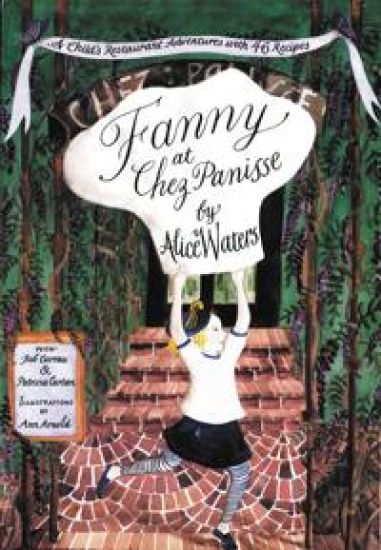
Chez Panisse is a restaurant in Berkeley, California, run by Alice Waters and her large group of friends. Her daughter Fanny's stories of this busy place are a friendly and funny introduction to the delights of real restaurant life, and her recipes show how easy and inexpensive it is to make good food with basic ingredients and simple techniques. Opening up the magic world of cooking to children, Alice Waters describes, in the words of seven-year-old Fanny, the path food travels from the garden to the kitchen to the table. Teaching kids where food really comes from not just from the market but from farms and people who care about the earth, Fanny at Chez Panisse has lessons on the importance of eating with your hands, of garlic and of composting and recycling. It is also a delightful beginner's cookbook with 46 recipes that will tempt children into the desire to cook and eat with whole hearts, alert minds and all the senses. From banana milkshakes and green apple sherbet to cherry tomato pasta and black beans and sour cream, as well as spaghetti and meatballs, french fries and pizza, there is something here for every child to prepare and enjoy.
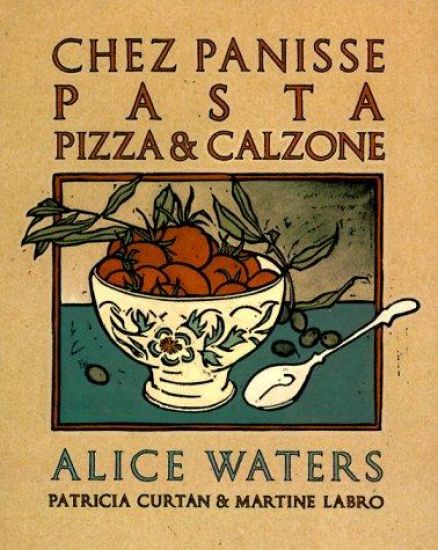
This classic cookbook brings together 87 recipes for pasta sauces and 36 pizza and calzone recipes, as well as tasty pasta doughs, such as buckwheat, red pepper and saffron. Featuring beautiful line drawings throughout, the book is a feast for the eyes as well as the palate. Alice Waters, whom Craig Claiborne has called "that great American rarity, a deservely celebrated native-born chef," gives us here the extraordinary pastas, pizzas, and calzones that she serves in her famous Chez Panisse restaurant in Berkley, California. Based on the freshest and best seasonal ingredients, every recipe is bursting with flavor and unexpected combinations. Inspired as much by Providence as by Italy, these recipes reveal Chez Panisse's strong Mediterranean affinities, not only in the choice of ingredients, but also in the combinations that make them so tantalizing. Chez Panisse Pasta, Pizza & Calzone will send cooks from the garden to the kitchen, rejoicing in the bounty of nature and in miraculous transformations of fresh, beautiful ingredients into tantalizing meals. Praise for Chez Panisse Pasta, Pizza & Calzone "After reading Alice Water's new book, I'm ready to proclaim her a culinary oracle. She dazzles me--the things she does with garden-fresh ingredients, the unexpected and wonderful results she obtains. This is a glorious book by a great chef."--Paula Wolfert "These recipes are fun to read, a good combination of the tried and true and the extrasensory perception that is almost a trademark of Alice's cooking. I especially like havuing the four seasonal sections in which the accent is on what is fresh then. The fruits and herbs and everything else that goes on the table are of that one special time in the year."--M. F. K. Fisher "Pizza? What an odd, ordinary thing for one of America's most respected establishments to put on the menu. When the pizza came and I tasted it, I saw what Alice Waters was about: the ordinary made extraordinary by the use of fine unusual ingredients--in this case girolles in a general creaminess, spiked with a little Parmesan and onion--put together by a skillful and unusual taste."--Jane Grigson
"Chez Panisse is an extraordinary dining experience. . . . It is Alice Waters's brilliant gastronomic mind, her flair for cooking, and her almost revolutionary concept of menu planning that make Chez Panisse so exciting."--James Beard Justly famed for the originality of its ever-changing menu and the range and virtuosity of its chef and owner, Alice Waters, Chez Panisse is known throughout the world as one of America's greatest restaurants. Dinner there is always an adventure--a different five-course meal is offered every night, and the restaurant has seldom repeated a meal since its opening in 1971. Alice Waters is a brilliant pioneer of a wholly original cuisine, at once elegant and earthy, classical and experimental, joyous in its celebration of the very finest and freshest ingredients. In this spectacular book, Alice Waters collects 120 of Chez Panisse's best menus, its most inspired transformations of classic French dishes. The Chez Panisse Menu Cookbook is filled with dishes redolent of the savory bouquet of the garden, the appealing aromas and roasty flavors of food cooked over the charcoal grill, and the delicate sweetness of fish fresh from the sea. There are menus here for different seasons of the year, for picnics and outdoor barbecues and other great occasions. Handsomely designed and illustrated by David Lance Goines, this is an indispensable addition to the shelf of every great cook and cookbook readers. "A lovely book, wonderfully inventive, and the food is very pure."--Richard Olney
Bathed in the warm clarity of the summer sun in Provence, Marcel Pagnol's childhood memories celebrate a time of rare beauty and delight. Called by Jean Renoir "the leading film artist of his age," Pagnol is best known for such films as The Baker's Wife, Harvest, Fanny, and Topaze, as well as the screen adaptations of his novels Jean de Florette and Manon of the Springs (North Point, 1988). But he never forgot the magic of his Provencal childhood, and when he set his memories to paper late in life the result was a great new success. " My Father's Glory and My Mother's Castle" appeared on the scene like a fresh breeze, captivating readers with its sweet enchantments. Pagnol recalls his days hunting and fishing in the hill country, his jaunts about Marseilles, his schoolboy diversions, and above all his family: his anticlerical father and sanctimonious uncle, his mild and beautiful mother, and many others. This bright and lively book sparkles with the charm and magic that were Marcel Pagnol's own.