
Kirjailija
Alim Nisa
Kirjat ja teokset yhdessä paikassa: 154 kirjaa, julkaisuja vuosilta 2021–2024, suosituimpiin kuuluu Timo di montagna: Una pianta medicinale tradizionale. Vertaile teosten hintoja ja tarkista saatavuus suomalaisista kirjakaupoista.
154 kirjaa
Kirjojen julkaisuvuodet: 2021–2024.
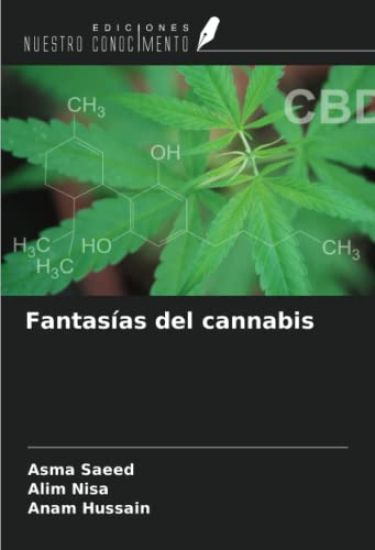
Fantasías del cannabis
Asma Saeed; Alim Nisa; Anam Hussain
Ediciones Nuestro Conocimiento
2022
nidottu
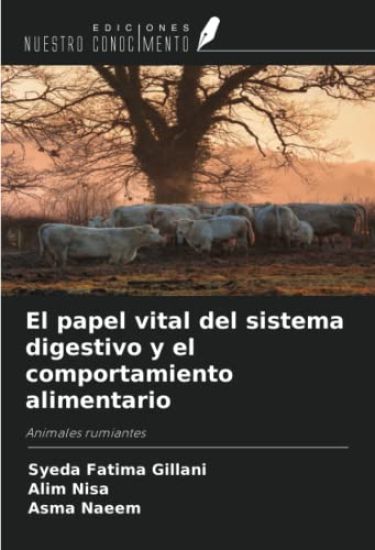
El papel vital del sistema digestivo y el comportamiento alimentario
Syeda Fatima Gillani; Alim Nisa; Asma Naeem
Ediciones Nuestro Conocimiento
2022
nidottu
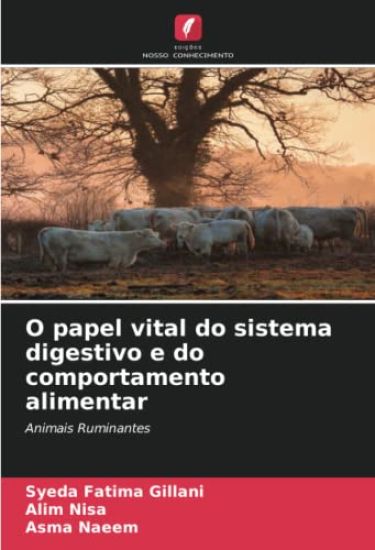
O papel vital do sistema digestivo e do comportamento alimentar
Syeda Fatima Gillani; Alim Nisa; Asma Naeem
Edições Nosso Conhecimento
2022
nidottu
Die wichtige Rolle des Verdauungssystems und des Fütterungsverhaltens
Syeda Fatima Gillani; Alim Nisa; Asma Naeem
Verlag Unser Wissen
2022
nidottu
Le rôle vital du système digestif et le comportement alimentaire
Syeda Fatima Gillani; Alim Nisa; Asma Naeem
Editions Notre Savoir
2022
nidottu
Il ruolo vitale del sistema digestivo e il comportamento alimentare
Syeda Fatima Gillani; Alim Nisa; Asma Naeem
Edizioni Sapienza
2022
nidottu
Zhiznenno wazhnaq rol' pischewaritel'noj sistemy i pischewogo powedeniq
Sajeda Fatima Gillani; Alim Nisa; Asma Naim
Sciencia Scripts
2022
nidottu
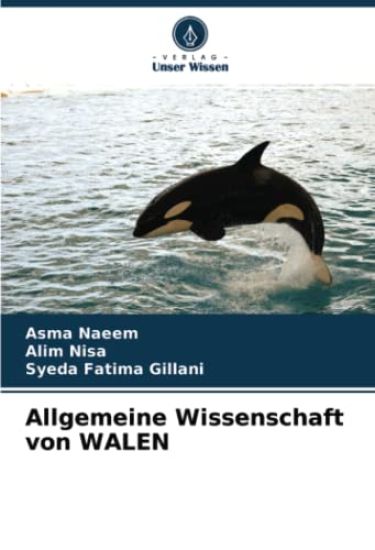
Allgemeine Wissenschaft von WALEN
Asma Naeem; Alim Nisa; Syeda Fatima Gillani
Verlag Unser Wissen
2022
nidottu

Science générale des BALEINES
Asma Naeem; Alim Nisa; Syeda Fatima Gillani
Editions Notre Savoir
2022
nidottu

Ciencia general de las ballenas
Asma Naeem; Alim Nisa; Syeda Fatima Gillani
Ediciones Nuestro Conocimiento
2022
nidottu
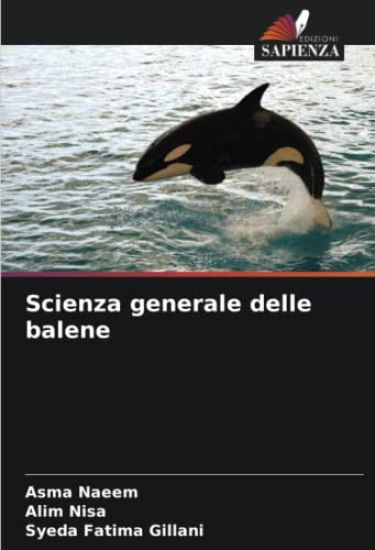
Scienza generale delle balene
Asma Naeem; Alim Nisa; Syeda Fatima Gillani
Edizioni Sapienza
2022
nidottu


Ironic association between Marijuana AND Public health
Alim Nisa; Laraib Israr; Shahid Masood
Lap Lambert Academic Publishing
2021
nidottu
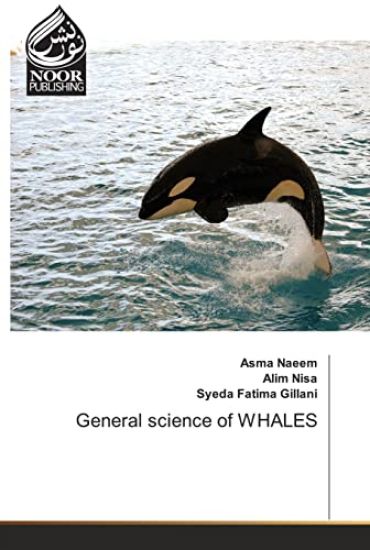
Whales are a diversified group of totally aquatic placental marine animals with a vast distribution. They are a loose classification within the Cetacea infraorder, which normally excludes dolphins and porpoises. The order Cetartiodactyla, which includes whales, dolphins, and porpoises, is made up of even-toed ungulates. Whales range in size from the dwarf sperm whale, which is 2.6 meters (8.5 feet) long and weighs 135 kilogrammes (298 pounds), to the blue whale, which is 29.9 meters (98 feet) long and weighs 190 metric tonnes (210 short tonnes).
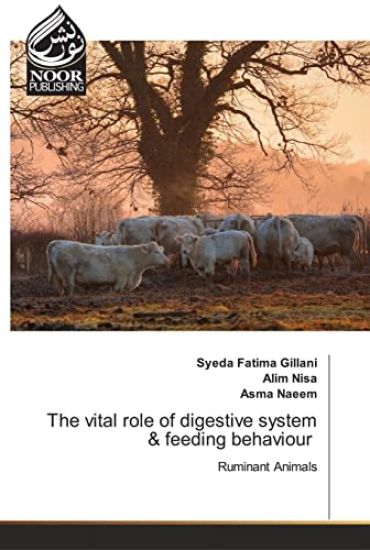
The vital role of digestive system & feeding behaviour
Syeda Fatima Gillani; Alim Nisa; Asma Naeem
Noor Publishing
2021
pokkari
Ruminants are distinguished from other mammals by their intricate digestive systems. They assimilate food, absorb nutrients, and obtain energy in a unique method compared to other herbivores. The fundamental difference between a cow's and a ruminant's digestive systems is that a cow's stomach contains four independent compartments, each with its own function, whereas most other species only have one compartment with a single function. Ruminant animals can digest grass or vegetation without chewing it completely because of the four compartments. Instead, they just partially chew the vegetation, leaving the rest to be broken down by microbes in the rumen area of the stomach. Animals having a monogastric digestive system (single stomach chambers) do not have the same potential.
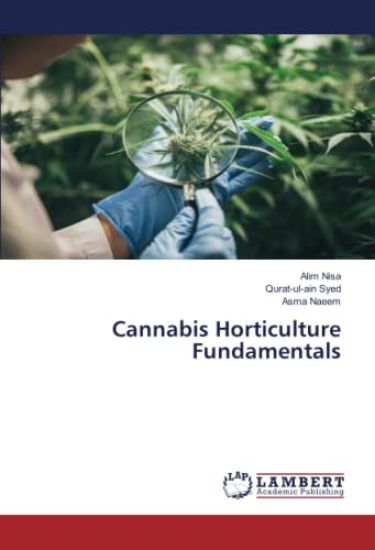
Cannabis Horticulture Fundamentals
Alim Nisa; Qurat-ul-ain Syed; Asma Naeem
Lap Lambert Academic Publishing
2021
nidottu
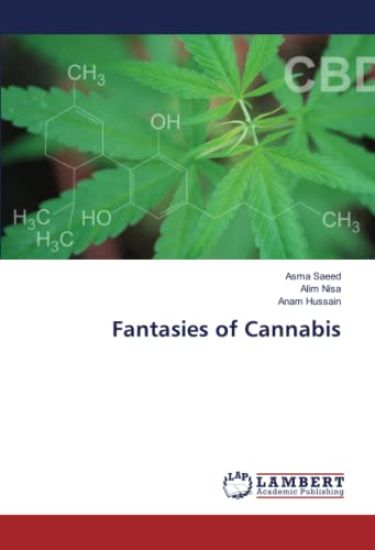
Fantasies of Cannabis
Asma Saeed; Alim Nisa; Anam Hussain
Lap Lambert Academic Publishing
2021
nidottu
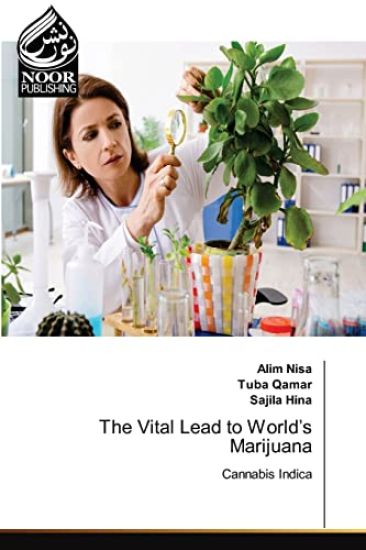
Cannabis is a genus of flowering plants. It is a plant that describes with many names such as WEED, MARIJUANA, and GANJA. Cannabis becomes legalized in Canada, the United States, Europe, South America, and many other countries. The curiosity in knowing more about its social and biological life about cannabis has been growing. With a better understanding of the molecular components that trigger the various phytochemical pathways in plants, we may be able to use genetic engineering to increase the production of specific cannabinoids, terpenes, and flavonoids to reconstruct the pathway in heterologous systems. More research is needed to better understand the other major genes involved in the biosynthesis pathways of cannabis chemicals which are less abundant. The function of Cannabis Indica genes can be identified in more detail to use in the future for the benefit of human health.