Kirjojen hintavertailu – 12 903 725 kirjaa ja 27 kauppaa

Kirjailija

Alina Sajed

Kirjat ja teokset yhdessä paikassa: 4 kirjaa, julkaisuja vuosilta 2012–2016, suosituimpiin kuuluu Postcolonial Encounters in International Relations. Vertaile teosten hintoja ja tarkista saatavuus suomalaisista kirjakaupoista.

4 kirjaa

Kirjojen julkaisuvuodet: 2012–2016.

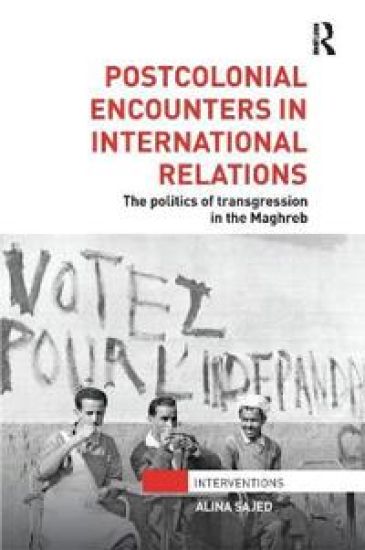
Postcolonial Encounters in International Relations
Postcolonial Encounters in International Relations examines the social and cultural aspects of the political violence that underpinned the French colonial project in the Maghreb, and the multi-layered postcolonial realities that ensued. This book explores the reality of the lives of North African migrants in postcolonial France, with a particular focus on their access to political entitlements such as citizenship and rights. This reality is complicated even further by complex practices of memory undertaken by Franco-Maghrebian intellectuals, who negotiate, in their writings, between the violent memory of the French colonial project in the Maghreb, and the contemporary conundrums of postcolonial migration. The book pursues thus the politics of (post)colonial memory by tracing its representations in literary, political, and visual narratives belonging to various Franco-Maghrebian intellectuals, who see themselves as living and writing between France and the Maghreb. By adopting a postcolonial perspective, a perspective quite marginal in International Relations, the book investigates a different international relations, which emerges via narratives of migration. A postcolonial standpoint is instrumental in understanding the relations between class, gender, and race, which interrogate and reflect more generally on the shared (post)colonial violence between North Africa and France, and on the politics of mediating violence through complex practices of memory.
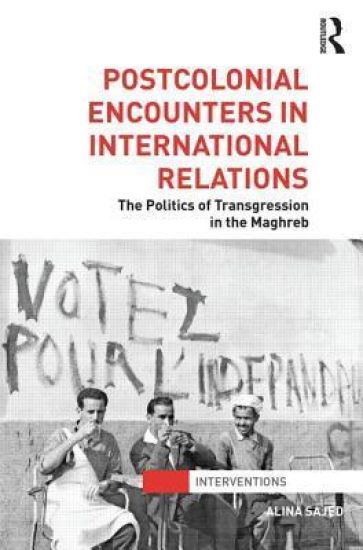
Postcolonial Encounters in International Relations
Postcolonial Encounters in International Relations examines the social and cultural aspects of the political violence that underpinned the French colonial project in the Maghreb, and the multi-layered postcolonial realities that ensued. This book explores the reality of the lives of North African migrants in postcolonial France, with a particular focus on their access to political entitlements such as citizenship and rights. This reality is complicated even further by complex practices of memory undertaken by Franco-Maghrebian intellectuals, who negotiate, in their writings, between the violent memory of the French colonial project in the Maghreb, and the contemporary conundrums of postcolonial migration. The book pursues thus the politics of (post)colonial memory by tracing its representations in literary, political, and visual narratives belonging to various Franco-Maghrebian intellectuals, who see themselves as living and writing between France and the Maghreb. By adopting a postcolonial perspective, a perspective quite marginal in International Relations, the book investigates a different international relations, which emerges via narratives of migration. A postcolonial standpoint is instrumental in understanding the relations between class, gender, and race, which interrogate and reflect more generally on the shared (post)colonial violence between North Africa and France, and on the politics of mediating violence through complex practices of memory.

Fifty Key Thinkers on Globalization

Fifty Key Thinkers on Globalization

William Coleman; Alina Sajed

Routledge
2012
nidottu
Fifty Key Thinkers on Globalization is an outstanding guide to often-encountered thinkers whose ideas have shaped, defined and influenced this new and rapidly growing field. The authors clearly and lucidly survey the life, work and impact of fifty of the most important theorists of globalization including:Manuel Castells Joseph Stiglitz David Held Jan Aart ScholteEach thinker’s contribution to the field is evaluated and assessed, and each entry includes a helpful guide to further reading. Fully cross-referenced throughout, this remarkable reference guide is essential reading for students of politics and international relations, economics, sociology, history, anthropology and literary studies.
Fifty Key Thinkers on Globalization

Fifty Key Thinkers on Globalization

William Coleman; Alina Sajed

Routledge
2012
sidottu
Fifty Key Thinkers on Globalization is an outstanding guide to often-encountered thinkers whose ideas have shaped, defined and influenced this new and rapidly growing field. The authors clearly and lucidly survey the life, work and impact of fifty of the most important theorists of globalization including:Manuel Castells Joseph Stiglitz David Held Jan Aart ScholteEach thinker’s contribution to the field is evaluated and assessed, and each entry includes a helpful guide to further reading. Fully cross-referenced throughout, this remarkable reference guide is essential reading for students of politics and international relations, economics, sociology, history, anthropology and literary studies.