Kirjojen hintavertailu – 12 903 725 kirjaa ja 27 kauppaa

Kirjailija

Alisa Freedman

Kirjat ja teokset yhdessä paikassa: 4 kirjaa, julkaisuja vuosilta 2005–2021, suosituimpiin kuuluu Japan on American TV – Screaming Samurai Join Anime Clubs in the Land of the Lost. Vertaile teosten hintoja ja tarkista saatavuus suomalaisista kirjakaupoista.

4 kirjaa

Kirjojen julkaisuvuodet: 2005–2021.

Tokyo in Transit

Tokyo in Transit

Alisa Freedman

Stanford University Press
2010
sidottu
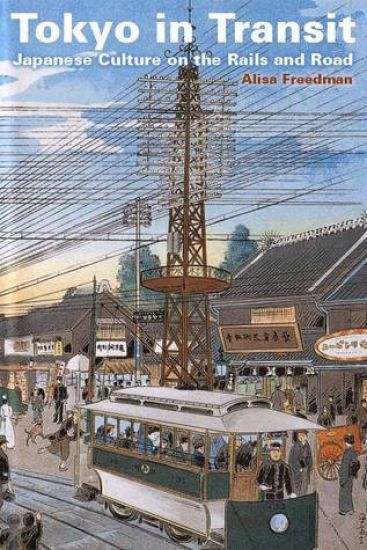
Increased use of mass transportation in the early twentieth century enabled men and women of different social classes to interact in ways they had not before. Using a cultural studies approach that combines historical research and literary analysis, author Alisa Freedman investigates fictional, journalistic, and popular culture depictions of how mass transportation changed prewar Tokyo's social fabric and artistic movements, giving rise to gender roles that have come to characterize modern Japan. Freedman persuasively argues that, through descriptions of trains and buses, stations, transport workers, and passengers, Japanese authors responded to contradictions in Tokyo's urban modernity and exposed the effects of rapid change on the individual. She shines a light on how prewar transport culture anticipates what is fascinating and frustrating about Tokyo today, providing insight into how people make themselves at home in the city. An approachable and enjoyable book, Tokyo in Transit offers an exciting ride through modern Japanese literature and culture, and includes the first English translation of Kawabata Yasunari's The Corpse Introducer, a 1929 crime novella that presents an important new side of its Nobel Prizewinning author.

Tokyo in Transit

Tokyo in Transit

Alisa Freedman

Stanford University Press
2010
pokkari
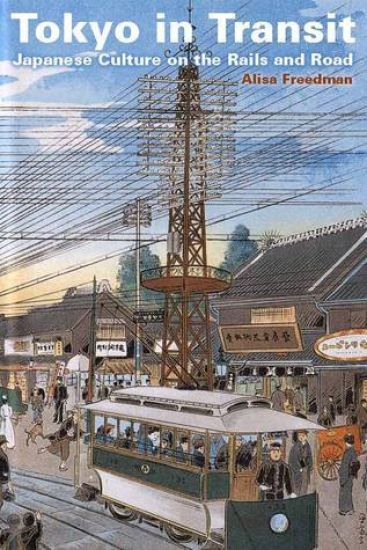
Increased use of mass transportation in the early twentieth century enabled men and women of different social classes to interact in ways they had not before. Using a cultural studies approach that combines historical research and literary analysis, author Alisa Freedman investigates fictional, journalistic, and popular culture depictions of how mass transportation changed prewar Tokyo's social fabric and artistic movements, giving rise to gender roles that have come to characterize modern Japan. Freedman persuasively argues that, through descriptions of trains and buses, stations, transport workers, and passengers, Japanese authors responded to contradictions in Tokyo's urban modernity and exposed the effects of rapid change on the individual. She shines a light on how prewar transport culture anticipates what is fascinating and frustrating about Tokyo today, providing insight into how people make themselves at home in the city. An approachable and enjoyable book, Tokyo in Transit offers an exciting ride through modern Japanese literature and culture, and includes the first English translation of Kawabata Yasunari's The Corpse Introducer, a 1929 crime novella that presents an important new side of its Nobel Prizewinning author.
The Scarlet Gang Of Asakusa

The Scarlet Gang Of Asakusa

Yasunari Kawabata; Alisa Freedman; Donald Richie

University of California Press
2005
pokkari
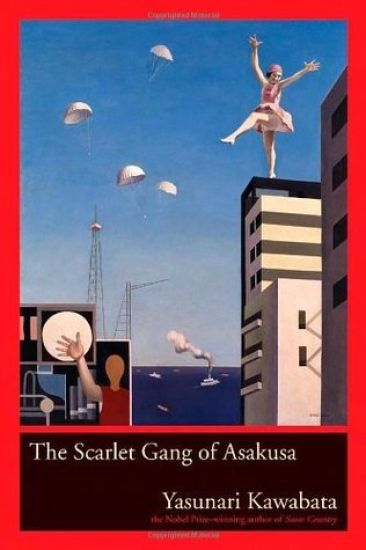
In the 1920s, Asakusa was to Tokyo what Montmartre had been to 1890s Paris and Times Square was to be to 1940s New York. Available in English for the first time, The Scarlet Gang of Asakusa, by Nobel Prize winner Yasunari Kawabata, captures the decadent allure of this entertainment district, where beggars and teenage prostitutes mixed with revue dancers and famous authors. Originally serialized in a Tokyo daily newspaper in 1929 and 1930, this vibrant novel uses unorthodox, kinetic literary techniques to reflect the raw energy of Asakusa, seen through the eyes of a wandering narrator and the cast of mostly female juvenile delinquents who show him their way of life. Markedly different from Kawabata's later work, The Scarlet Gang of Asakusa shows this important writer in a new light. The annotated edition of this little-known literary gem includes the original illustrations by Ota Saburo. The annotations illuminate Tokyo society and Japanese literature, bringing this fascinating piece of Japanese modernism at last to a wide audience.