Kirjojen hintavertailu – 12 903 724 kirjaa ja 27 kauppaa

Kirjailija

Alison Doig

Kirjat ja teokset yhdessä paikassa: 3 kirjaa, julkaisuja vuosilta 1999–2005, suosituimpiin kuuluu Energy For Rural Livelihoods. Vertaile teosten hintoja ja tarkista saatavuus suomalaisista kirjakaupoista.

3 kirjaa

Kirjojen julkaisuvuodet: 1999–2005.

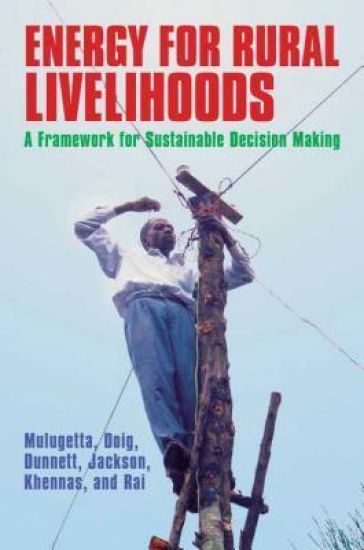
Energy For Rural Livelihoods

Energy For Rural Livelihoods

Alison Doig; Yacob Mulugetta; Simon Dunnett; Tim Jackson; Smail Khennas; Kavita Rai

Practical Action Publishing
2005
nidottu
This manual presents a range of analytical techniques to assist in evaluating and comparing energy technology options from a variety of important perspectives. The work distils experiences and draws lessons from previous rural energy activities, and presents a variety of relevant analysis tools that will contribute towards upgrading current decision making practices in rural energy development. The manual demonstrates how integrating technical, economic, social, institutional and environmental criteria forms the basis of 'good practice'in rural energy planning and policy development. Analytical techniques are described and illustrated with the help of case studies and information acquired from various parts of the developing world, in order to show how the techniques can be applied in real situations. The primary audience for the manual consists of energy analysts, policy makers, development workers and researchers in developing countries. The book will also be useful to academics interested in development issues, energy industry experts and decision makers at the local or government level involved in making decisions about energy and development policies.
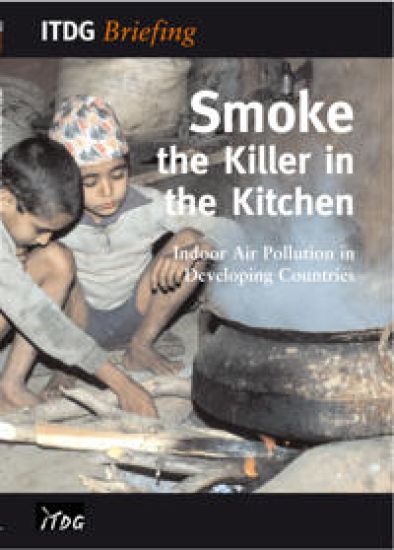
Smoke - the Killer in the Kitchen

Smoke - the Killer in the Kitchen

Hugh Warwick; Alison Doig

Practical Action Publishing
2003
nidottu
Over two billion people in developing countries use only traditional biomass wood, dung and crop waste for their basic energy needs. The pollution from the burning of these fuels for cooking and heating is linked to the deaths of over 1.6 million people each year (more than three people a minute). Indoor air pollution is one of the leading causes of mortality and illness in developing countries. The main cause of deaths in children under five years old is acute lower respiratory infection, such as pneumonia and indoor air pollution is responsible for causing about 60% of these deaths. Despite these devastating facts about smoke, very few people are aware of the risks of indoor air pollution. It is quite literally the silent killer. This report details the health impacts of smoke in homes across the developing world. Technical solutions are presented, with strategies for reducing exposure to smoke for millions of households. Recommendations are given on immediate actions to be taken to significantly scale-up the fight against the silent killer of smoke in the homes of the world's most vulnerable people. This report is part of the ITDG Briefings series, designed to inform and stimulate public debate on crucial issues of sustainable development. The series looks at the role of technology and economics in the battle against poverty, inequality and injustice. In an increasingly fragile and divided world the need for well-informed public debate is vital and these reports summarize the issues and offer recommendations for action.
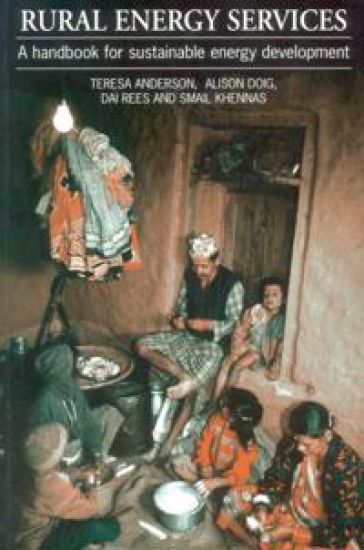
Rural Energy Services

Rural Energy Services

Teresa Anderson; Alison Doig; Dai Rees; Smail Khennas

Practical Action Publishing
1999
nidottu
Rural Energy Services addresses the policy, market and sustainability aspects of defining and selecting technologies that will meet the demands for energy services by rural villages in a sustainable and reliable way. It offers a participative approach to the supply of energy services with a clear emphasis on the need for energy services, putting needs rather than technology first, and advocating that rural people, above all, know what they need and what will work for them. The handbook contains a full survey of energy resources and technologies and covers, in detail, the issues surrounding the decision-making processes involved, the implementation of energy schemes and an exploration of the policy, market and sustainability issues which are vital to the success of a scheme. The last section contains real case studies, covering projects which meet the energy service needs of rural people across the world today. The book was written as a resource for a series of workshops commissioned by the British Council and the UK Department for International Development, and provided the basis for workshops in countries such as Uganda, Brazil and India. Governmental and non-governmental energy strategists, donors, international and national development agencies, academics and financial institutions with responsibility for investment strategy will find this practical handbook highly valuable in their work.