Kirjojen hintavertailu – 12 874 329 kirjaa ja 26 kauppaa
Kirjailija
Alison Gopnik
Kirjat ja teokset yhdessä paikassa: 7 kirjaa, julkaisuja vuosilta 1998–2017, suosituimpiin kuuluu Words, Thoughts, and Theories. Vertaile teosten hintoja ja tarkista saatavuus suomalaisista kirjakaupoista.
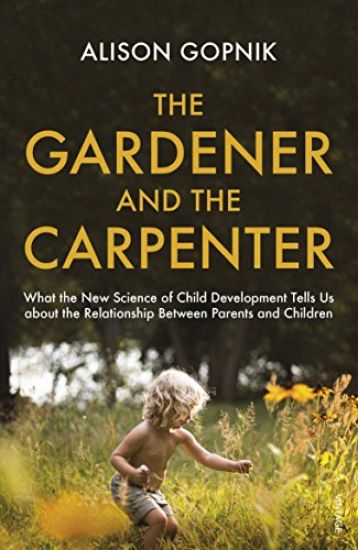
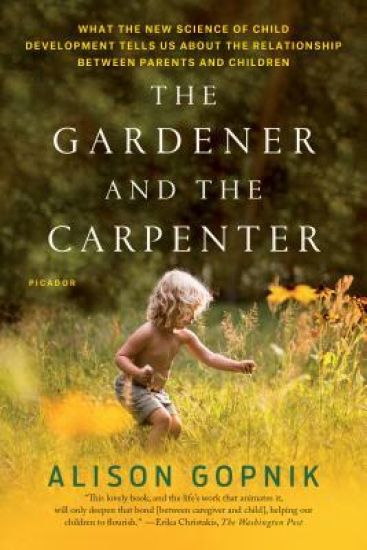
Caring deeply about our children is part of what makes us human. Drawing on the study of human evolution and the authorA's own scientific research into how children learn, the author shows that although caring for children is profoundly important, it is not a matter of shaping them to turn out a particular way.
In The Gardener and the Carpenter, Alison Gopnik, one of the world's leading child psychologists, illuminates the paradoxes of parenthood from a scientific perspective and shatters the myth of "good parenting". Caring deeply about our children is part of what makes us human. Yet the thing we call "parenting" is a surprisingly new invention. In the past thirty years, the concept of parenting and the multibillion-dollar industry surrounding it have transformed child care into obsessive, controlling, and goal-oriented labor intended to create a particular kind of child and therefore a particular kind of adult. In The Gardener and the Carpenter, the pioneering developmental psychologist and philosopher Alison Gopnik argues that the familiar twenty-first-century picture of parents and children is profoundly wrong--it's not just based on bad science, it's bad for kids and parents, too. Drawing on the study of human evolution and her own cutting-edge scientific research into how children learn, Gopnik shows that although caring for children is profoundly important, it is not a matter of shaping them to turn out a particular way. Children are designed to be messy and unpredictable, playful and imaginative--and to be very different both from their parents and from each other.
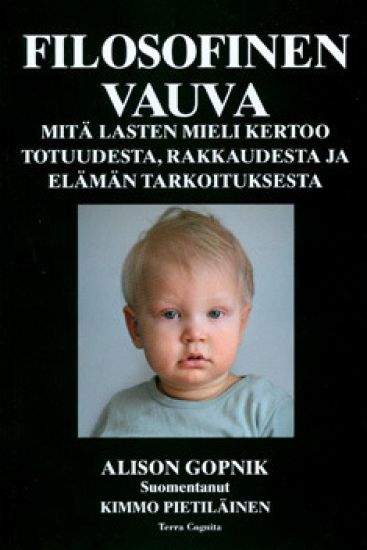
Moderni aivotutkimus on kaatamassa myös lapsen kehityksessä perustavina pidettyjä Piaget'n ja Freudin näkemyksiä. Käy ilmi, että vauvat ja lapset eivät käyttäydy perinteisten tieteellisten teorioiden mukaan. Alison Gopnik on vauvan kehityksen tutkimuksen johtohahmoja ja Filosofinen vauva -teos on hänen yhteenvetonsa alansa viime vuosina keräämistä uusista tuloksista ja niiden merkityksestä käsitykseemme yksilönkehityksestä. Teos avaa uuden näkökulman siihen, mitä on olla ihminen.
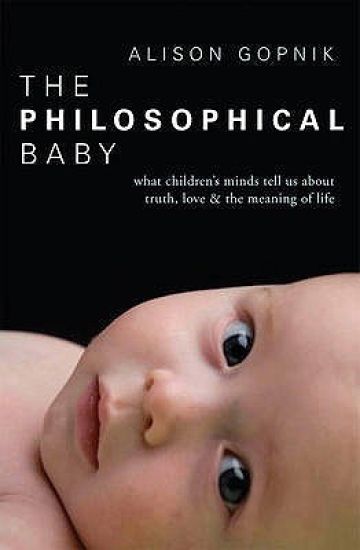
For most of us, having a baby is the most profound, intense, and fascinating experience of our lives. Now scientists and philosophers are starting to appreciate babies, too. The last decade has witnessed a revolution in our understanding of infants and young children. Scientists used to believe that babies were irrational, and that their thinking and experience were limited. Recently, they have discovered that babies learn more, create more, care more, and experience more than we could ever have imagined. And there is good reason to believe that babies are actually cleverer, more thoughtful, and even more conscious than adults. This new science holds answers to some of the deepest and oldest questions about what it means to be human. A new baby's captivated gaze at her mother's face lays the foundations for love and morality. A toddler's unstoppable explorations of his playpen hold the key to scientific discovery. A three-year-old's wild make-believe explains how we can imagine the future, write novels, and invent new technologies. Alison Gopnik - a leading psychologist and philosopher, as well as a mother - explains the groundbreaking new psychological, neuroscientific, and philosophical developments in our understanding of very young children, transforming our understanding of how babies see the world, and in turn promoting a deeper appreciation for the role of parents.
A cutting-edge exploration of what evolutionary psychology is teaching us of the development and learning of children, in the tradition of Matt Ridley's The Red Queen and Steven Pinker's The Language Instinct.
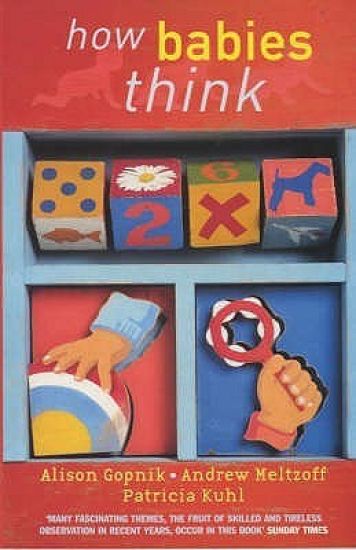
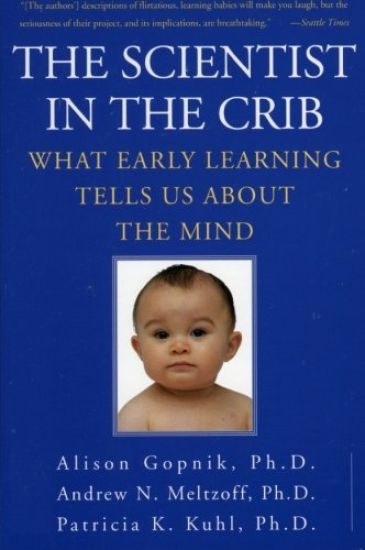
This exciting book by three pioneers in the new field of cognitive science discusses important discoveries about how much babies and young children know and learn, and how much parents naturally teach them. It argues that evolution designed us both to teach and learn, and that the drive to learn is our most important instinct. It also reveals as fascinating insights about our adult capacities and how even young children -- as well as adults -- use some of the same methods that allow scientists to learn so much about the world. Filled with surprise at every turn, this vivid, lucid, and often funny book gives us a new view of the inner life of children and the mysteries of the mind.
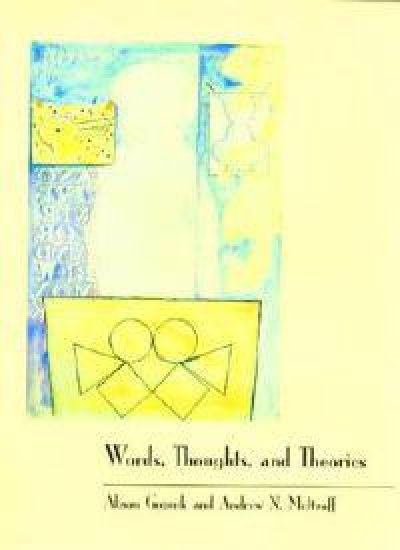
Words, Thoughts, and Theories articulates and defends the "theory theory" of cognitive and semantic development, the idea that infants and young children, like scientists, learn about the world by forming and revising theories, a view of the origins of knowledge and meaning that has broad implications for cognitive science. Gopnik and Meltzoff interweave philosophical arguments and empirical data from their own and other's research. Both the philosophy and the psychology, the arguments and the data, address the same fundamental epistemological question: How do we come to understand the world around us? Recently, the theory theory has led to much interesting research. However, this is the first book to look at the theory in extensive detail and to systematically contrast it with other theories. It is also the first to apply the theory to infancy and early childhood, to use the theory to provide a framework for understanding semantic development, and to demonstrate that language acquisition influences theory change in children. The authors show that children just beginning to talk are engaged in profound restructurings of several domains of knowledge. These restructurings are similar to theory changes in science, and they influence children's early semantic development, since children's cognitive concerns shape and motivate their use of very early words. But, in addition, children pay attention to the language they hear around them and this too reshapes their cognition, and causes them to reorganize their theories.