
Kirjailija
Allan Aubrey Boesak
Kirjat ja teokset yhdessä paikassa: 11 kirjaa, julkaisuja vuosilta 2014–2021, suosituimpiin kuuluu Selfless Revolutionaries. Vertaile teosten hintoja ja tarkista saatavuus suomalaisista kirjakaupoista.
11 kirjaa
Kirjojen julkaisuvuodet: 2014–2021.
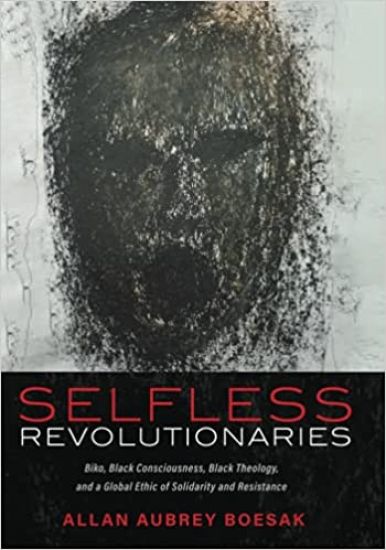
In the decades since Black liberation theology burst onto the scene, it has turned the world of church, society, and academia upside down. It has changed lives and ways of thinking as well. But now there is a question: What lessons has Black theology not learned as times have changed? In this expansion of the 2017 Yale Divinity School Beecher Lectures, Allan Boesak explores this question. If Black liberation theology had taken the issues discussed in these pages much more seriously--struggled with them much more intensely, thoroughly, and honestly--would it have been in a better position to help oppressed black people in Africa, the United States, and oppressed communities everywhere as they have faced the challenges of the last twenty-five years? In a critical, self-critical engagement with feminist and, especially, African feminist theologians in a trans-disciplinary conversation, Allan Boesak, as Black liberation theologian from the Global South, offers tentative but intriguing responses to the vital questions facing Black liberation theology today, particularly those questions raised by the women.
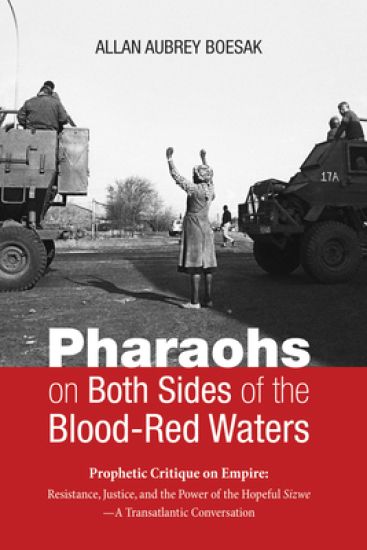
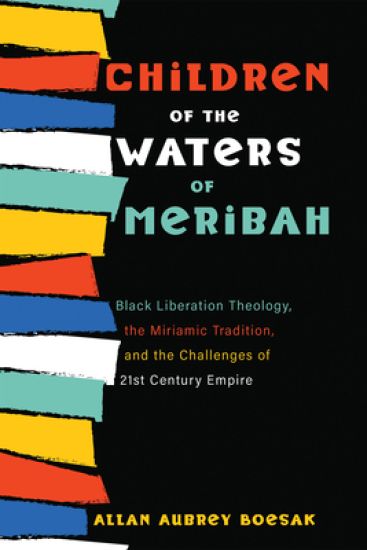
After the civil rights and anti-apartheid struggles, are we truly living in post-racial, post-apartheid societies where the word struggle is now out of place? Do we now truly realize that, as President Obama said, the situation for the Palestinian people is ""intolerable""? This book argues that this is not so, and asks, ""What has Soweto to do with Ferguson, New York with Cape Town, Baltimore with Ramallah?"" With South Africa, the United States, and Palestine as the most immediate points of reference, it seeks to explore the global wave of renewed struggles and nonviolent revolutions led largely by young people and the challenges these pose to prophetic theology and the church. It invites the reader to engage in a trans-Atlantic conversation on freedom, justice, peace, and dignity. These struggles for justice reflect the proposal the book discusses: there are pharaohs on both sides of the blood-red waters. Central to this conversation are the issues of faith and struggles for justice; the call for reconciliation--its possibilities and risks; the challenges of and from youth leadership; prophetic resistance; and the resilient, audacious hope without which no struggle has a future. The book argues that these revolutions will only succeed if they are claimed, embraced, and driven by the people. ""Allan Boesak breaks the awful silence of prophetic Christianity in our contemporary times. Boesak recognizes the kindred struggles intersecting our world, but returns again and again to the South African context, revisiting and re-constructing the resources required for a prophetic theology for this contextual 'moment.' The book offers a careful analysis of the prophetic theological trajectory, gathering what remains useful and forging what is needed to do prophetic theology in and for our globalized world."" -- Gerald O. West, University of KwaZulu-Natal, South Africa ""Boesak's keen analyses and persuasive arguments invite readers to take seriously contemporary cries for freedom and the braided significance of world-wide longing for justice. Allan Boesak says there comes a time in freedom struggles when we must acknowledge the transformative power of religion. Many scholars who study transatlantic hegemony possess an impulse to cut corners, and in turn, they are inattentive, conceptually timid, and lack vital engagement in assessing the 'power of Sizwe, ' the soul-force in liberation movements."" --Katie G. Cannon, Union Presbyterian Seminary, Richmond, Virginia "". . . a primer on hope born in struggle that is incisive. This book is grounded historically, autobiographically, and prophetically. Every page is a theological history of how people stay in the struggle for human dignity and freedom, undergirded by faith in God and in people. It is a major work for our times."" --Valerie Bridgeman, Methodist Theological School, Ohio Allan Boesak, South African theologian and human rights activist, is the first holder of the Desmond Tutu Chair for Peace, Justice and Reconciliation Studies at Christian Theological Seminary and Butler University, Indianapolis. He is also the Dean's Research Associate at the Theological Faculty, Pretoria University. His previous books include Dare We Speak of Hope? (2014).
After the civil rights and anti-apartheid struggles, are we truly living in post-racial, post-apartheid societies where the word struggle is now out of place? Do we now truly realize that, as President Obama said, the situation for the Palestinian people is ""intolerable""? This book argues that this is not so, and asks, ""What has Soweto to do with Ferguson, New York with Cape Town, Baltimore with Ramallah?"" With South Africa, the United States, and Palestine as the most immediate points of reference, it seeks to explore the global wave of renewed struggles and nonviolent revolutions led largely by young people and the challenges these pose to prophetic theology and the church. It invites the reader to engage in a trans-Atlantic conversation on freedom, justice, peace, and dignity. These struggles for justice reflect the proposal the book discusses: there are pharaohs on both sides of the blood-red waters. Central to this conversation are the issues of faith and struggles for justice; the call for reconciliation--its possibilities and risks; the challenges of and from youth leadership; prophetic resistance; and the resilient, audacious hope without which no struggle has a future. The book argues that these revolutions will only succeed if they are claimed, embraced, and driven by the people. ""Allan Boesak breaks the awful silence of prophetic Christianity in our contemporary times. Boesak recognizes the kindred struggles intersecting our world, but returns again and again to the South African context, revisiting and re-constructing the resources required for a prophetic theology for this contextual 'moment.' The book offers a careful analysis of the prophetic theological trajectory, gathering what remains useful and forging what is needed to do prophetic theology in and for our globalized world."" -- Gerald O. West, University of KwaZulu-Natal, South Africa ""Boesak's keen analyses and persuasive arguments invite readers to take seriously contemporary cries for freedom and the braided significance of world-wide longing for justice. Allan Boesak says there comes a time in freedom struggles when we must acknowledge the transformative power of religion. Many scholars who study transatlantic hegemony possess an impulse to cut corners, and in turn, they are inattentive, conceptually timid, and lack vital engagement in assessing the 'power of Sizwe, ' the soul-force in liberation movements."" --Katie G. Cannon, Union Presbyterian Seminary, Richmond, Virginia "". . . a primer on hope born in struggle that is incisive. This book is grounded historically, autobiographically, and prophetically. Every page is a theological history of how people stay in the struggle for human dignity and freedom, undergirded by faith in God and in people. It is a major work for our times."" --Valerie Bridgeman, Methodist Theological School, Ohio Allan Boesak, South African theologian and human rights activist, is the first holder of the Desmond Tutu Chair for Peace, Justice and Reconciliation Studies at Christian Theological Seminary and Butler University, Indianapolis. He is also the Dean's Research Associate at the Theological Faculty, Pretoria University. His previous books include Dare We Speak of Hope? (2014).
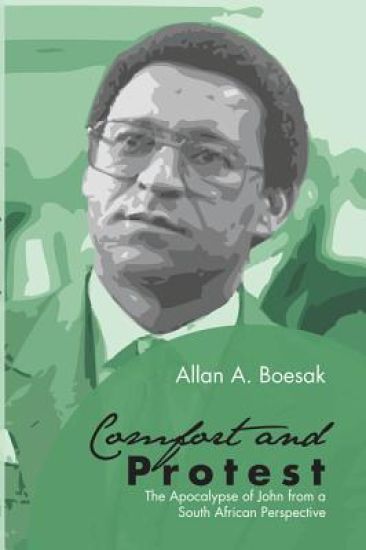
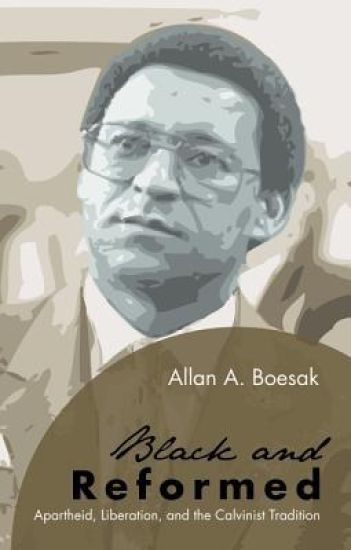
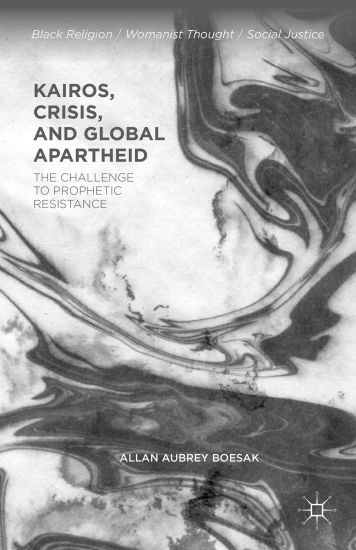
In 1985, the Kairos Document emerged out of the anti-apartheid struggle as a devastating critique of apartheid and a challenge to the church in that society. This book is a call to discern new moments of crisis, discernment and kairos, and respond with prophetic resistance to global injustice.
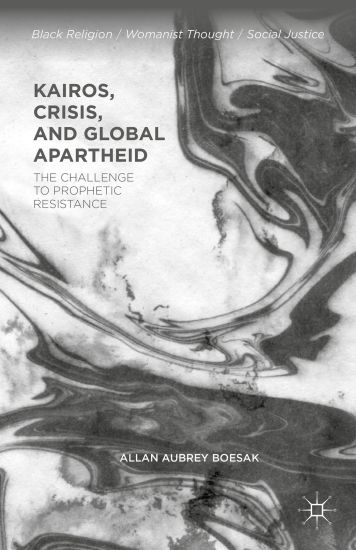
In 1985, the Kairos Document emerged out of the anti-apartheid struggle as a devastating critique of apartheid and a challenge to the church in that society. This book is a call to discern new moments of crisis, discernment and kairos, and respond with prophetic resistance to global injustice.
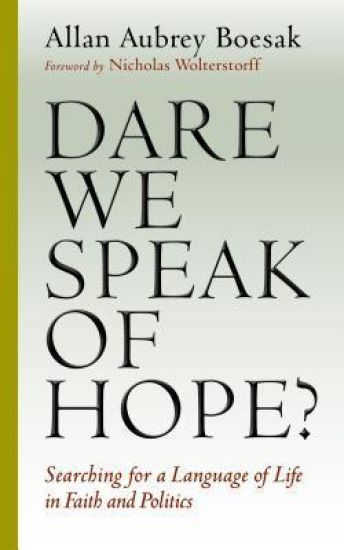
Dare We Speak of Hope?
Allan Aubrey Boesak; Nicholas Wolterstorff
William B Eerdmans Publishing Co
2014
nidottu
Since the spectacular rise of South Africa's Nelson Mandela and the remarkable election of Barack Obama as president of the United States, the phrase "hopeful politics" has dominated our public discourse. But what happens when that hope disappoints? Can it be salvaged? What is the relationship between faith, hope, and politics? In this book Allan Boesak meditates on what it really means to hope in light of present political realities and growing human pain. He argues that hope comes to life only in situations of vulnerability - in struggles for justice, dignity, and the life of the Earth. Dare We Speak of Hope? is a critical, provocative, prophetic - and, above all, hopeful - book.