

Kirjailija
Alpa Shah
Kirjat ja teokset yhdessä paikassa: 14 kirjaa, julkaisuja vuosilta 2010–2025, suosituimpiin kuuluu Nachtmarsch. Vertaile teosten hintoja ja tarkista saatavuus suomalaisista kirjakaupoista.
14 kirjaa
Kirjojen julkaisuvuodet: 2010–2025.
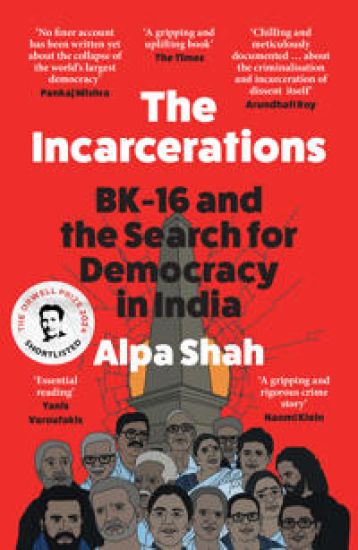
A FINALIST FOR THE ORWELL PRIZE A FINALIST FOR THE MOORE PRIZE A NEW STATESMAN BEST BOOK OF THE YEAR 'A gripping and rigorous crime story about the murder of a once thriving democracy, exposing an arsenal of lethal weapons, some wielded on the streets, others in the courts and press' NAOMI KLEIN ‘Essential reading' YANIS VAROUFAKIS The world’s largest democracy is facing the greatest challenge since the end of British colonial rule in 1947. ? The Incarcerations pulls back the curtain on Indian democracy to tell the remarkable and chilling story of the Bhima Koregaon case, in which 16 human rights defenders (the BK-16) – professors, lawyers, journalists, poets – have been imprisoned, without credible evidence and without trial, as Maoist terrorists. Alpa Shah unravels how these alleged terrorists were charged with inciting violence at a public commemoration in 2018, accused of waging a war against the Indian state, and plotting to kill the Indian Prime Minister, Narendra Modi. Expertly leading us through the case, Shah exposes some of the world’s most shocking revelations of cyber warfare research, which show not only hacking of emails and mobile phones of the BK-16, but also implantation of the electronic evidence that was used to incarcerate them. Through the life histories of the BK-16, Shah dives deep into the issues they fought for and tells the story of India’s three main minorities – Adivasi, Dalits and Muslims – and what the search for democracy entails for them. Essential and urgent, The Incarcerations reveals how this case is a bellwether for the collapse of democracy in India, as for the first time in the nation’s history there is a multi-pronged, coordinated attack on key defenders of various pillars of democracy. In so doing, Shah shows that democracy today must be not only about protecting freedom of expression and democratic institutions, but also about supporting and safeguarding the social movements that question our global inequalities. ‘A chilling, meticulously documented account of the arrest and ongoing trial of some of India’s most exceptional citizens. The Incarcerations shows us that the BK-16 pose a danger to the current Hindu Nationalist regime not for what they have done, but for daring to have a different dream about what kind of country India should be. Alpa Shah’s book is about the criminalisation and incarceration of dissent itself. It does us a great service’ Arundhati Roy

The world's largest democracy is facing the greatest challenge since the end of British colonial rule in 1947.
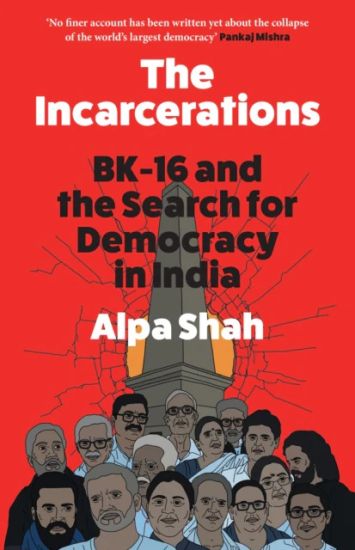
A FINALIST FOR THE ORWELL PRIZE A FINALIST FOR THE MOORE PRIZE A NEW STATESMAN BEST BOOK OF THE YEAR 'A gripping and rigorous crime story about the murder of a once thriving democracy, exposing an arsenal of lethal weapons, some wielded on the streets, others in the courts and press' NAOMI KLEIN ‘Essential reading' YANIS VAROUFAKIS The world’s largest democracy is facing the greatest challenge since the end of British colonial rule in 1947. ? The Incarcerations pulls back the curtain on Indian democracy to tell the remarkable and chilling story of the Bhima Koregaon case, in which 16 human rights defenders (the BK-16) – professors, lawyers, journalists, poets – have been imprisoned, without credible evidence and without trial, as Maoist terrorists. Alpa Shah unravels how these alleged terrorists were charged with inciting violence at a public commemoration in 2018, accused of waging a war against the Indian state, and plotting to kill the Indian Prime Minister, Narendra Modi. Expertly leading us through the case, Shah exposes some of the world’s most shocking revelations of cyber warfare research, which show not only hacking of emails and mobile phones of the BK-16, but also implantation of the electronic evidence that was used to incarcerate them. Through the life histories of the BK-16, Shah dives deep into the issues they fought for and tells the story of India’s three main minorities – Adivasi, Dalits and Muslims – and what the search for democracy entails for them. Essential and urgent, The Incarcerations reveals how this case is a bellwether for the collapse of democracy in India, as for the first time in the nation’s history there is a multi-pronged, coordinated attack on key defenders of various pillars of democracy. In so doing, Shah shows that democracy today must be not only about protecting freedom of expression and democratic institutions, but also about supporting and safeguarding the social movements that question our global inequalities. ‘A chilling, meticulously documented account of the arrest and ongoing trial of some of India’s most exceptional citizens. The Incarcerations shows us that the BK-16 pose a danger to the current Hindu Nationalist regime not for what they have done, but for daring to have a different dream about what kind of country India should be. Alpa Shah’s book is about the criminalisation and incarceration of dissent itself. It does us a great service’ Arundhati Roy

In one of the world's most intractable and under-reported rebellions, the Naxalites have been engaged in a decades-long battle with the Indian state. Presented in the media as a deadly terrorist group, the movement is made up of Marxist ideologues and lower-caste and tribal combatants who seek to overthrow a system that has abused them. In 2010, anthropologist Alpa Shah embarked on a seven-night trek with some of these communist guerrillas, walking 250 kilometres through the dense, hilly forests of eastern India. Speaking to leaders and living for years with villagers in guerrilla strongholds, Shah seeks to understand how and why some of India's poor have shunned the world's largest democracy and taken up arms to fight for a fairer society--and asks whether they might be undermining their own aims. Nightmarch is a compelling reflection on dispossession and conflict at the heart of contemporary India. SHORT-LISTED FOR THE ORWELL PRIZE FOR POLITICAL WRITING, 2019 SHORT-LISTED FOR THE NEW INDIA FOUNDATION BOOK PRIZE, 2019 WINNER OF THE 2020 ASSOCIATION FOR POLITICAL AND LEGAL ANTHROPOLOGY BOOK PRIZE A 2018 New Statesman Book of the Year

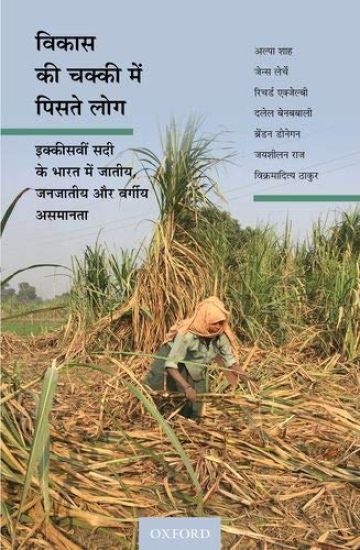
Vikas ki Chakki Mein Piste Log
Alpa Shah; Jens Lerche; Richard Axelby; Dalel Benbabaali; Brendan Donegan; Jayaseelan Raj; Vikramaditya Thakur
OUP India
2020
nidottu
Why has India's astonishing economic growth not reached the people at the bottom of its social and economic hierarchy? Travelling the length and breadth of the subcontinent, this book shows how India's 'untouchables' and 'tribals' fit into the global economy. India's Dalit and Adivasi communities make up a staggering one in twenty-five people across the globe and yet they remain amongst the most oppressed. Conceived in dialogue with economists, 'Ground Down by Growth' reveals the impact of global capitalism on their lives. It shows how capitalism entrenches, rather than erases, social difference and has transformed traditional forms of identity-based discrimination into new mechanisms of exploitation and oppression. Through studies of the working poor, migrant labour, and the conjugated oppression of caste, tribe, region, gender, and class relations, the social inequalities generated by capitalism are exposed.
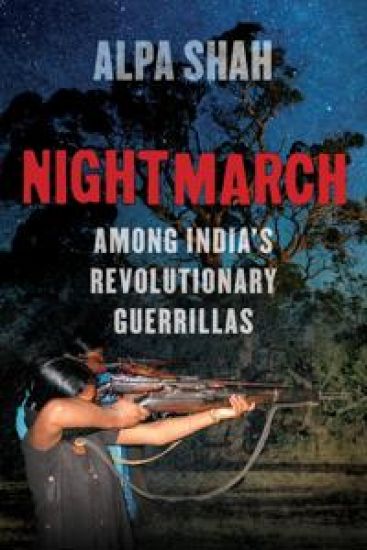
In one of the world's most intractable and under-reported rebellions, the Naxalites have been engaged in a decades-long battle with the Indian state. Presented in the media as a deadly terrorist group, the movement is made up of Marxist ideologues and lower-caste and tribal combatants who seek to overthrow a system that has abused them. In 2010, anthropologist Alpa Shah embarked on a seven-night trek with some of these communist guerrillas, walking 250 kilometres through the dense, hilly forests of eastern India. Speaking to leaders and living for years with villagers in guerrilla strongholds, Shah seeks to understand how and why some of India's poor have shunned the world's largest democracy and taken up arms to fight for a fairer society--and asks whether they might be undermining their own aims. Nightmarch is a compelling reflection on dispossession and conflict at the heart of contemporary India. SHORT-LISTED FOR THE ORWELL PRIZE FOR POLITICAL WRITING, 2019 SHORT-LISTED FOR THE NEW INDIA FOUNDATION BOOK PRIZE, 2019 WINNER OF THE 2020 ASSOCIATION FOR POLITICAL AND LEGAL ANTHROPOLOGY BOOK PRIZE A 2018 New Statesman Book of the Year
Ground Down by Growth
Alpa Shah; Jens Lerche; Richard Axelby; Dalel Benbabaali; Brendan Donegan; Vikramaditya Thakur; Jayaseelan Raj
Pluto Press
2017
sidottu
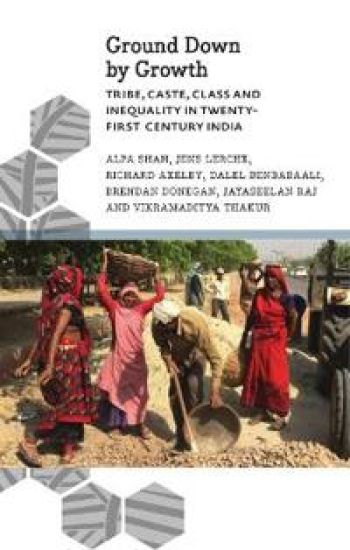
Why has India’s astonishing economic growth not reached the people at the bottom of its social and economic hierarchy? Travelling the length and breadth of the subcontinent, this book shows how India’s ‘untouchables' and ‘tribals' fit into the global economy. India’s Dalit and Adivasi communities make up a staggering one in twenty-five people across the globe and yet they remain amongst the most oppressed. Conceived in dialogue with economists, Ground Down by Growth reveals the impact of global capitalism on their lives. It shows how capitalism entrenches, rather than erases, social difference and has transformed traditional forms of identity-based discrimination into new mechanisms of exploitation and oppression. Through studies of the working poor, migrant labour and the conjugated oppression of caste, tribe, region, gender and class relations, the social inequalities generated by capitalism are exposed.
Ground Down by Growth
Alpa Shah; Jens Lerche; Richard Axelby; Dalel Benbabaali; Brendan Donegan; Vikramaditya Thakur; Jayaseelan Raj
Pluto Press
2017
pokkari
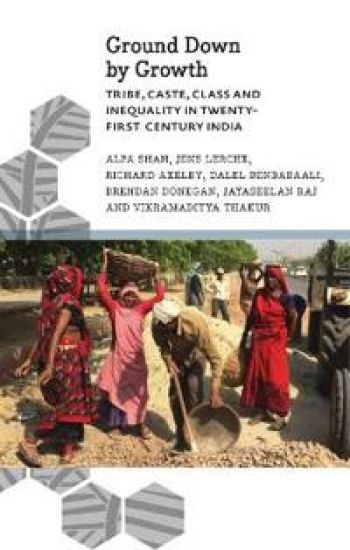
Why has India’s astonishing economic growth not reached the people at the bottom of its social and economic hierarchy? Travelling the length and breadth of the subcontinent, this book shows how India’s ‘untouchables' and ‘tribals' fit into the global economy. India’s Dalit and Adivasi communities make up a staggering one in twenty-five people across the globe and yet they remain amongst the most oppressed. Conceived in dialogue with economists, Ground Down by Growth reveals the impact of global capitalism on their lives. It shows how capitalism entrenches, rather than erases, social difference and has transformed traditional forms of identity-based discrimination into new mechanisms of exploitation and oppression. Through studies of the working poor, migrant labour and the conjugated oppression of caste, tribe, region, gender and class relations, the social inequalities generated by capitalism are exposed.

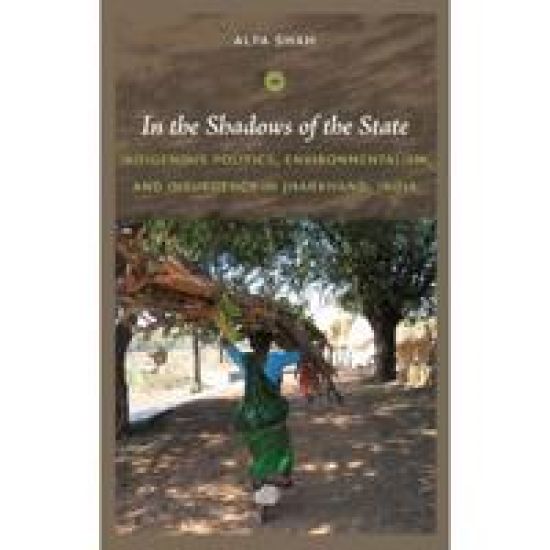
In the Shadows of the State suggests that well-meaning indigenous rights and development claims and interventions may misrepresent and hurt the very people they intend to help. It is a powerful critique based on extensive ethnographic research in Jharkhand, a state in eastern India officially created in 2000. While the realization of an independent Jharkhand was the culmination of many years of local, regional, and transnational activism for the rights of the region’s culturally autonomous indigenous people, Alpa Shah argues that the activism unintentionally further marginalized the region’s poorest people. Drawing on a decade of ethnographic research in Jharkhand, she follows the everyday lives of some of the poorest villagers as they chase away protected wild elephants, try to cut down the forests they allegedly live in harmony with, maintain a healthy skepticism about the revival of the indigenous governance system, and seek to avoid the initial spread of an armed revolution of Maoist guerrillas who claim to represent them. Juxtaposing these experiences with the accounts of the village elites and the rhetoric of the urban indigenous-rights activists, Shah reveals a class dimension to the indigenous-rights movement, one easily lost in the cultural-based identity politics that the movement produces. In the Shadows of the State brings together ethnographic and theoretical analyses to show that the local use of global discourses of indigeneity often reinforces a class system that harms the poorest people.
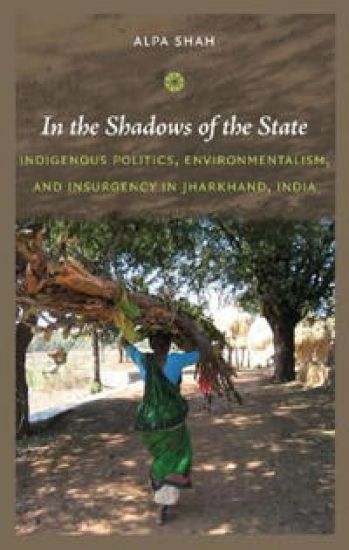
In the Shadows of the State suggests that well-meaning indigenous rights and development claims and interventions may misrepresent and hurt the very people they intend to help. It is a powerful critique based on extensive ethnographic research in Jharkhand, a state in eastern India officially created in 2000. While the realization of an independent Jharkhand was the culmination of many years of local, regional, and transnational activism for the rights of the region’s culturally autonomous indigenous people, Alpa Shah argues that the activism unintentionally further marginalized the region’s poorest people. Drawing on a decade of ethnographic research in Jharkhand, she follows the everyday lives of some of the poorest villagers as they chase away protected wild elephants, try to cut down the forests they allegedly live in harmony with, maintain a healthy skepticism about the revival of the indigenous governance system, and seek to avoid the initial spread of an armed revolution of Maoist guerrillas who claim to represent them. Juxtaposing these experiences with the accounts of the village elites and the rhetoric of the urban indigenous-rights activists, Shah reveals a class dimension to the indigenous-rights movement, one easily lost in the cultural-based identity politics that the movement produces. In the Shadows of the State brings together ethnographic and theoretical analyses to show that the local use of global discourses of indigeneity often reinforces a class system that harms the poorest people.