Kirjojen hintavertailu – 12 875 758 kirjaa ja 26 kauppaa
Kirjailija
Amanda Davies
Kirjat ja teokset yhdessä paikassa: 11 kirjaa, julkaisuja vuosilta 2010–2026, suosituimpiin kuuluu The Menopause Q&A. 200 Real Questions. 200 Honest Answers.. Vertaile teosten hintoja ja tarkista saatavuus suomalaisista kirjakaupoista.
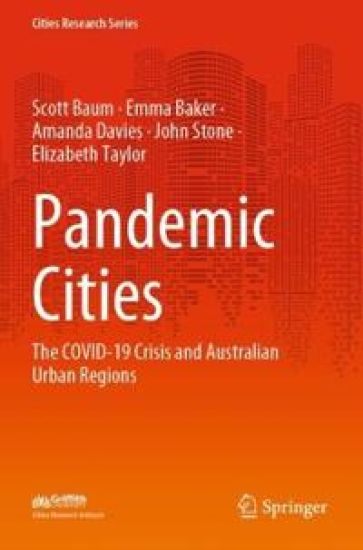
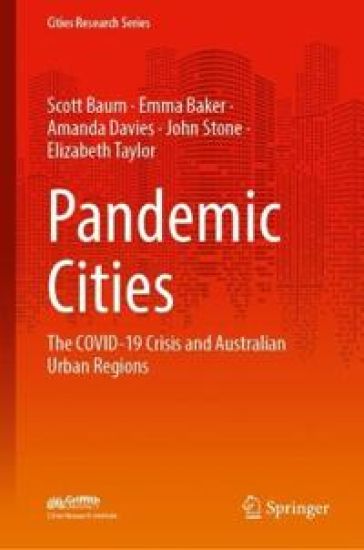
This book highlights the impact of the COVID-19 pandemic on cities. The COVID-19 pandemic and the associated economic and social impacts have been felt around the world. In large cities and other urban areas, the pandemic has highlighted a number of issues from pressures on urban labour and housing markets, shifts in demographic processes including migration and mobility, changes in urban travel patterns and pressures on contemporary planning and governance processes. Despite Australia’s relatively mild COVID exposure, Australian cities and large urban areas have not been immune to these issues. The economic shutdown of the country in the early stages of the pandemic, the sporadic border closures between states, the effective closure of international borders and the imposition of widespread public health orders that have required significant behavioural change across the population have all changed our cities in some and the way we live and work in them in some way. Some ofthe challenges have reflected long-standing problems including intrenched inequality in labour markets and housing markets, others such as the impact on commuting patterns and patterns of migration have emerged largely during the pandemic. ? This book, co-authored by experts in their field, outlines some of the major issues facing Australian cities and urban areas as a result of the pandemic and sets a course for future of the cities we live in.
This book highlights the impact of the COVID-19 pandemic on cities. The COVID-19 pandemic and the associated economic and social impacts have been felt around the world. In large cities and other urban areas, the pandemic has highlighted a number of issues from pressures on urban labour and housing markets, shifts in demographic processes including migration and mobility, changes in urban travel patterns and pressures on contemporary planning and governance processes. Despite Australia’s relatively mild COVID exposure, Australian cities and large urban areas have not been immune to these issues. The economic shutdown of the country in the early stages of the pandemic, the sporadic border closures between states, the effective closure of international borders and the imposition of widespread public health orders that have required significant behavioural change across the population have all changed our cities in some and the way we live and work in them in some way. Some ofthe challenges have reflected long-standing problems including intrenched inequality in labour markets and housing markets, others such as the impact on commuting patterns and patterns of migration have emerged largely during the pandemic. ? This book, co-authored by experts in their field, outlines some of the major issues facing Australian cities and urban areas as a result of the pandemic and sets a course for future of the cities we live in.
'My 2020' is a book project dedicated to sharing the stories of 21 courageous women who each endured during the 2020 pandemic. 2020 was a year filled with fear, anxiety, devastation, grief, hope, positivity, love, kindness... Whilst we each nestled ourselves safely away within our homes, we all experienced the pandemic in unique and personal ways. Whilst the streets became quiet, inside our homes were busy and bustling with energy. Whilst we individually isolated and experienced global lockdowns, we shared a collective experience that will leave behind a legacy. 2020 was a year that made history. Here are our stories of strength and resilience through the pandemic... Featuring: Aisha SulemanAmanda DaviesBibi YanaCassie SwiftCathlene MinerChelle ClarkeChloe-Mairead DonnellyDonna McKenzieEmma LastJem StrasdinJen ParkerJessica PrimeJo HowarthKris DaviesLaura-Jane GravettLisa KilleenLouise McEwanMo FrancesNatalie Kyne-DinsdaleSandie CamaraSarah Short- and a short poem by Robert Wozencroft.
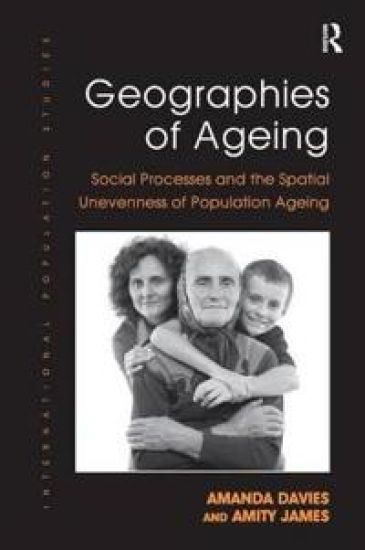
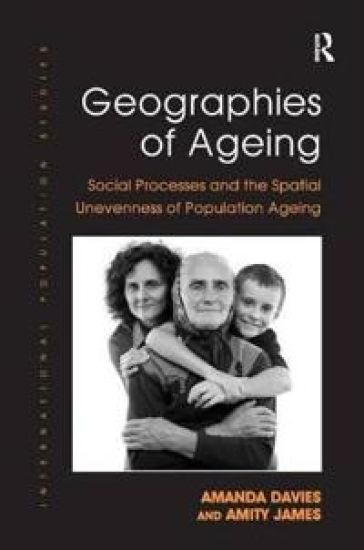
Population ageing is projected to affect all countries across the world in coming decades. The current rate of population ageing is unprecedented in human history with population projections indicating that this will be an enduring trend. Moreover, population ageing is spatially pervasive, affecting every man, woman and child. This has considerable implications for policy responding to the economic, social and healthcare outcomes of population ageing. The potential economic implications have been likened to those of the 2008 global financial crisis. This book examines the patterns and causes of uneven population ageing. It identifies those countries and localities most likely to experience population ageing and the reasons for this. Attention is also given to the role that youth migration, labour force migration, retirement migration and ageing in place have in influencing the spatial concentrations of older people. The book brings together a range of diverse international case studies to illustrate the importance of understanding the causes of population ageing. Case studies include a review of ageing in Florida's (USA) labour force, an investigation into the housing arrangements for the elderly in Northern Ireland and an assessment of the environmental stewardship activities of Grey Nomads on Western Australia's remote north coast.
Population ageing is projected to affect all countries across the world in coming decades. The current rate of population ageing is unprecedented in human history with population projections indicating that this will be an enduring trend. Moreover, population ageing is spatially pervasive, affecting every man, woman and child. This has considerable implications for policy responding to the economic, social and healthcare outcomes of population ageing. The potential economic implications have been likened to those of the 2008 global financial crisis. This book examines the patterns and causes of uneven population ageing. It identifies those countries and localities most likely to experience population ageing and the reasons for this. Attention is also given to the role that youth migration, labour force migration, retirement migration and ageing in place have in influencing the spatial concentrations of older people. The book brings together a range of diverse international case studies to illustrate the importance of understanding the causes of population ageing. Case studies include a review of ageing in Florida's (USA) labour force, an investigation into the housing arrangements for the elderly in Northern Ireland and an assessment of the environmental stewardship activities of Grey Nomads on Western Australia's remote north coast.