Kirjojen hintavertailu – 12 859 828 kirjaa ja 27 kauppaa
Kirjailija
Amanda Lagerkvist
Kirjat ja teokset yhdessä paikassa: 5 kirjaa, julkaisuja vuosilta 2001–2026, suosituimpiin kuuluu Bussen är budskapet : perspektiv på mobilitet, materialitet och modernitet. Vertaile teosten hintoja ja tarkista saatavuus suomalaisista kirjakaupoista.
Bussarnas speciella form av mediematerialitet - deras "budskap" för att tala med McLuhan - blev tidigt en av utgångspunkterna för författarnas diskussion. Är bussarnas jämförelsevis anspråkslöst vardagliga kostymering en förklaring till att dessa till skillnad mot bilar och tåg har lämnat så få avtryck i tidigare historisk forskning? Hur kan vi kombinera perspektiv från aktuella forskningsområden för att skapa ny kunskap om bussarnas förmåga att i både konkret och symbolisk mening omskapa och sammanföra åtskilda tider och platser? Hur kan vi tänka med bussar för att analysera det mobilas och materiellas betydelse i skapandet och omvandlandet av den västerländska modernitetens berättelser om framsteg och civilisation? Dessa och många andra frågor väcktes under författarnas samtal om missionsrörelsens utställningsbussar, Mjölkpropagandans reklambussar, livsmedelshandelns rullande butiker på den svenska landsbygden, skärmbildsundersökningens röntgenbussar, blodbussar i Sverige och Finland, norska skolresor till Auschwitz, sightseeingbussar i Beatles Liverpool och turistresor i skuggan av Shanghais futuristiska skyskrapor.
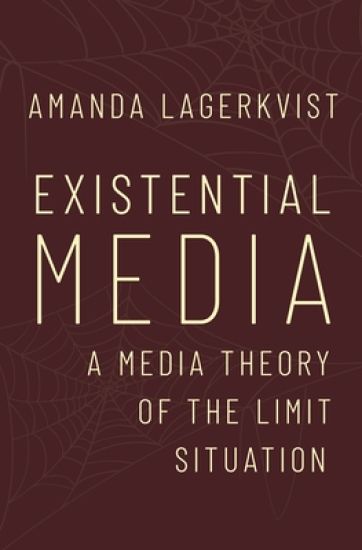
Tied to the profundity of life and death, media are and have always been existential. Yet, as they are deeply embedded in the lifeworld on both individual and global scales, they currently capitalize on human existence seemingly without limit, while being mythologized as boundless harbingers of the future and as solutions to the predicaments of a world now poised on the edge. In this situation it is imperative to move beyond either the habitual or the sublime, to recognize that media are in fact of limits--situated both in the middle of our lives and at the limit they constitute the building blocks and brinks of being. In order to remedy the existential deficit in the field, in Existential Media Amanda Lagerkvist revisits existential philosophy through a reappreciation of Karl Jaspers' philosophy, and of his concept of the limit situation: those ultimate moments in life--of loss, crisis, and guilt--which we are called upon to seize. Introducing the field of existential media studies in conversation with disability studies, the new materialism and the environmental humanities, the book offers a media theory of the limit situation which brings limits, in all their shapes and forms, onto the radar when we interrogate media. Lagerkvist argues that the present age of deep techno-cultural saturation, and of escalating calamitous and interrelated crises, is a digital limit situation, in which there are profound stakes which heighten existential uncertainty, vulnerability, as well as potential fecundity. Placing the mourner--the coexister--at the center of media studies, by entering into the slow fields of mourning, commemorating, and speaking to the dead in the online environment, she brings out that existential media ambivalently offer metric parameters, caring lifelines, and transcendent experiences which ultimately display post-interactive modes of being digital in slowness, silence, and waiting. The book ultimately calls forth a different ethos which powerfully challenges ideals of limitlessness, quantification, and speed, and seeks out alternate intellectual and ethical coordinates for reclaiming, imagining, and anticipating a responsible future with existential media.
Vad innebär det att vara människa i en värld av kommunicerande maskiner? Vad händer om chattbotar tänks kunna föra ett samtal om det eviga? Och hur ska vi bygga en existentiellt hållbar framtid med AI? Detta är centrala frågor för humanistisk AI-forskning idag. I samhällsdebatten om artificiell intelligens och chattbotar skildras de senaste årens stora teknikskifte -- och teknikens potential och risker -- gärna i termer av avgränsade »problem« som kräver »lösningar«. Diskussionen reproducerar därmed den världsbild av logik och formalism som maskinerna själva är byggda av, och som det mänskliga sedan mäts mot. Här finns tydliga behov av humanistiska och existentiella perspektiv. Om debatten förs alltför ensidigt riskerar den inte bara att spä på missförstånd och förstärka domedagsprofetior; den riskerar också att reproducera de ojämlika sociala strukturer som tekniken både är byggd inom och medskapare till. Ofta finns ett tydligt ointresse från AI-utvecklarna att på djupet ta till sig vad som händer inom den humanistiska grenen av AI-forskningen. Denna skrift tar avstamp i flera svenska forskningsprojekt om AI och ett samarbete mellan Nobelprismuseet, Liljevalchs och Humanobservatorium för digital existens i Uppsala. Medverkande författare är tidigare ärkebiskopen Antje Jackelén, AI-experten och datorlingvisten Magnus Sahlgren samt forskare inom bland annat systemvetenskap, medievetenskap, interaktionsdesign och psykologi. Redaktören Amanda Lagerkvist är professor i medie- och kommunikationsvetenskap vid Uppsala universitet. Ur innehållet: AI med kritiska ögon och existentiell sensibilitet · Är samtalet möjligt? · Att skapa en svensk språkmodell · GPT-SW3 svarar på 25 av våra största frågor · Att forma levande AI-framtider
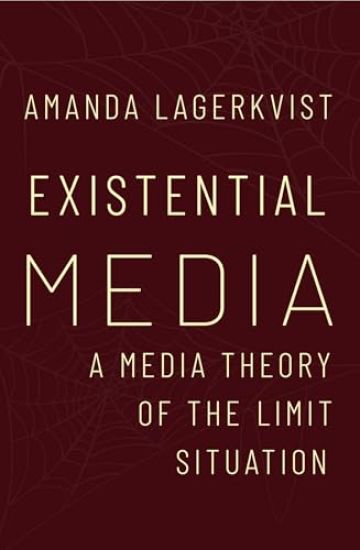
Tied to the profundity of life and death, media are and have always been existential. Yet, as they are deeply embedded in the lifeworld on both individual and global scales, they currently capitalize on human existence seemingly without limit, while being mythologized as boundless harbingers of the future and as solutions to the predicaments of a world now poised on the edge. In this situation it is imperative to move beyond either the habitual or the sublime, to recognize that media are in fact of limits—situated both in the middle of our lives and at the limit they constitute the building blocks and brinks of being. In order to remedy the existential deficit in the field, in Existential Media Amanda Lagerkvist revisits existential philosophy through a reappreciation of Karl Jaspers philosophy, and of his concept of the limit situation: those ultimate moments in life—of loss, crisis and guilt—which we are called upon to seize. Introducing the field of existential media studies in conversation with disability studies, the new materialism and the environmental humanities, the book offers a media theory of the limit situation which brings limits, in all their shapes and forms, onto the radar when we interrogate media. Lagerkvist argues that the present age of deep techno-cultural saturation, and of escalating calamitous and interrelated crises, is a digital limit situation, in which there are profound stakes which heighten existential uncertainty, vulnerability as well as potential fecundity. Placing the mourner—the coexister—at the center of media studies, by entering into the slow fields of mourning, commemorating and speaking to the dead in the online environment, she brings out that existential media ambivalently offer metric parameters, caring lifelines and transcendent experiences which ultimately display post-interactive modes of being digital in slowness, silence and waiting. The book ultimately calls forth a different ethos which powerfully challenges ideals of limitlessness, quantification and speed, and seeks out alternate intellectual and ethical coordinates for reclaiming, imagining and anticipating a responsible future with existential media.