Kirjojen hintavertailu – 12 903 724 kirjaa ja 27 kauppaa

Kirjailija

Ambesh Dixit

Kirjat ja teokset yhdessä paikassa: 5 kirjaa, julkaisuja vuosilta 2019–2026, suosituimpiin kuuluu Solar Selective Absorbers. Vertaile teosten hintoja ja tarkista saatavuus suomalaisista kirjakaupoista.

5 kirjaa

Kirjojen julkaisuvuodet: 2019–2026.

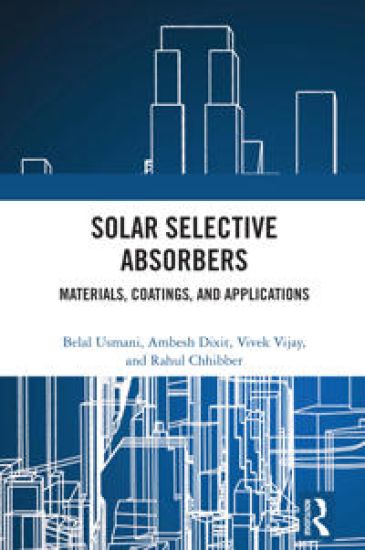
Solar Selective Absorbers

Solar Selective Absorbers

Belal Usmani; Ambesh Dixit; Vivek Vijay; Rahul Chhibber

TAYLOR FRANCIS LTD
2026
nidottu
Solar Selective Absorbers: Materials, Coatings, and Applications covers different harnessing technologies for solar energy, electromagnetic radiation including design principles, and different types of spectrally selective coatings. The book emphasizes experimental methods for synthesizing these coating structures and characterization techniques to quantify the absorber characteristics, suitable for solar thermal applications. It also provides a compact review of the literature on solar (spectrally) selective absorber materials and coatings. Summarizes the materials, deposition and characterization techniques, and applications of solar selective absorbers Introduces solar selective absorber materials and photothermal technology Explores electrodeposition techniques and their use in the development of solar selective absorber films Provides understanding of solar selective absorber materials and coating techniques in photothermal technology Explains sputtering techniques and their use in the development of ZrO2/ZrC-ZrN/Zr tandem structure-based solar selective absorber films The book is aimed at researchers and graduate students in solar energy, solar thermal conversion, and materials science.
Solar Selective Absorbers

Solar Selective Absorbers

Belal Usmani; Ambesh Dixit; Vivek Vijay; Rahul Chhibber

TAYLOR FRANCIS LTD
2024
sidottu
Solar Selective Absorbers: Materials, Coatings, and Applications covers different harnessing technologies for solar energy, electromagnetic radiation including design principles, and different types of spectrally selective coatings. The book emphasizes experimental methods for synthesizing these coating structures and characterization techniques to quantify the absorber characteristics, suitable for solar thermal applications. It also provides a compact review of the literature on solar (spectrally) selective absorber materials and coatings. Summarizes the materials, deposition and characterization techniques, and applications of solar selective absorbersIntroduces solar selective absorber materials and photothermal technologyExplores electrodeposition techniques and their use in the development of solar selective absorber filmsProvides understanding of solar selective absorber materials and coating techniques in photothermal technologyExplains sputtering techniques and their use in the development of ZrO2/ZrC-ZrN/Zr tandem structure-based solar selective absorber filmsThe book is aimed at researchers and graduate students in solar energy, solar thermal conversion, and materials science.
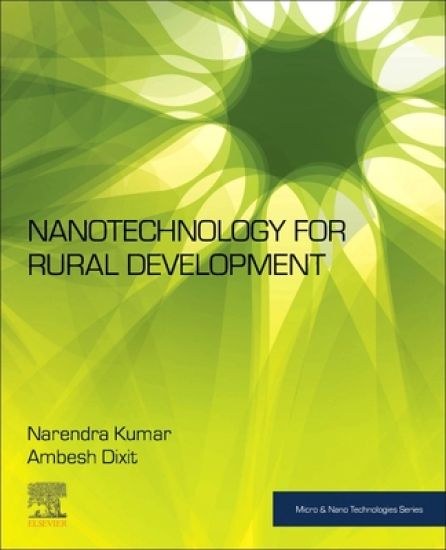
Nanotechnology for Rural Development

Nanotechnology for Rural Development

Narendra Kumar; Ambesh Dixit

Elsevier Science Publishing Co Inc
2021
nidottu
Nanotechnology for Rural Development is designed to present nanotechnology-based solutions to the challenges faced by rural populations, particularly in underdeveloped and developing countries. The book focuses on agriculture, biomass management, food processing and water management, in terms of its purification and decontamination. The treatment of wastewater and the harnessing of renewable energy are also covered. In addition, the book deals with the application of nanotechnology in the areas of consumer goods, such as textiles, ceramics, food processing and packaging, and other related spheres. The book provides information on the green synthesis of nanomaterials, using prevalent natural resources and their applications for textiles, ceramics, portiere, and food packaging. It also addresses low-cost solutions using materials such as biomass waste for water purification and decontamination. For example, lignocellulosic biomass can be converted into nutrient adsorbents, energy, fuel and storage. Above all, it protects agriculture crops from insects and other pests, and produces quality products in high yields. This volume offers insight into the intricacies of the problems faced by large populations living in rural areas, particularly in underdeveloped and developing countries. It also discusses the natural renewable resources available locally and how nanotechnology can best use them to increase the quality and yield of agricultural products, as well as how to engage the population, specifically women, in gainful productive activities.
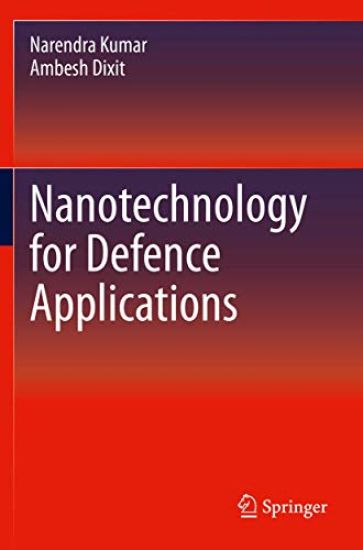
Nanotechnology for Defence Applications

Nanotechnology for Defence Applications

Narendra Kumar; Ambesh Dixit

Springer Nature Switzerland AG
2020
nidottu
This book examines the application of nanoscience and nanotechnology in military defence strategies. Both historical and current perspectives on military technologies are discussed. The book provides comprehensive details on current trends in the application of nanotechnology to ground, air, and naval specializations. Furthermore, nanotechnology-enabled high energy explosives and propellants, chemical, biological, radiation, and nuclear threats and their detection/protection, and camouflage and stealth for signature management of military targets in multispectral wavelength signals are analyzed. The book also covers nanotechnology-enabled armor and platforms, which may serve as lightweight and high mechanical strength options in contrast to conventional systems. Finally, the book also emphasizes future military applications of nanotechnology and its integration into ‘smart’ materials. Provides comprehensive details on trends in the application of nanotechnology to ground, air, and naval defence systems;Examines the application of nanoscience and nanotechnology in military defence strategies;Offers pathways and research avenues for development of nanotechnology and materials applications in military capacities.
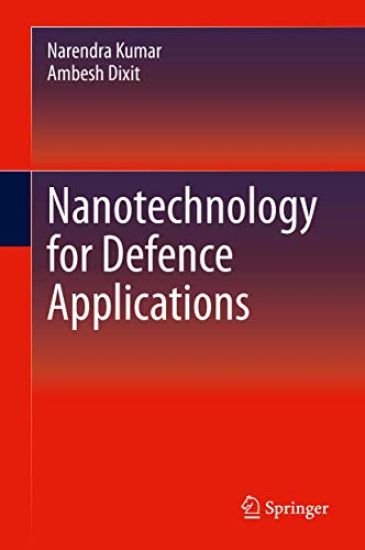
Nanotechnology for Defence Applications

Nanotechnology for Defence Applications

Narendra Kumar; Ambesh Dixit

Springer Nature Switzerland AG
2019
sidottu
This book examines the application of nanoscience and nanotechnology in military defence strategies. Both historical and current perspectives on military technologies are discussed. The book provides comprehensive details on current trends in the application of nanotechnology to ground, air, and naval specializations. Furthermore, nanotechnology-enabled high energy explosives and propellants, chemical, biological, radiation, and nuclear threats and their detection/protection, and camouflage and stealth for signature management of military targets in multispectral wavelength signals are analyzed. The book also covers nanotechnology-enabled armor and platforms, which may serve as lightweight and high mechanical strength options in contrast to conventional systems. Finally, the book also emphasizes future military applications of nanotechnology and its integration into ‘smart’ materials. Provides comprehensive details on trends in the application of nanotechnology to ground, air, and naval defence systems;Examines the application of nanoscience and nanotechnology in military defence strategies;Offers pathways and research avenues for development of nanotechnology and materials applications in military capacities.