Kirjojen hintavertailu – 12 859 829 kirjaa ja 27 kauppaa

Kirjailija

Amitava Dasgupta

Kirjat ja teokset yhdessä paikassa: 28 kirjaa, julkaisuja vuosilta 2010–2026, suosituimpiin kuuluu The Science of Drinking. Vertaile teosten hintoja ja tarkista saatavuus suomalaisista kirjakaupoista.

28 kirjaa

Kirjojen julkaisuvuodet: 2010–2026.

Pocket Antioxidants

Pocket Antioxidants

Amitava DasGupta

Hunter House Inc.,U.S.
2013
nidottu
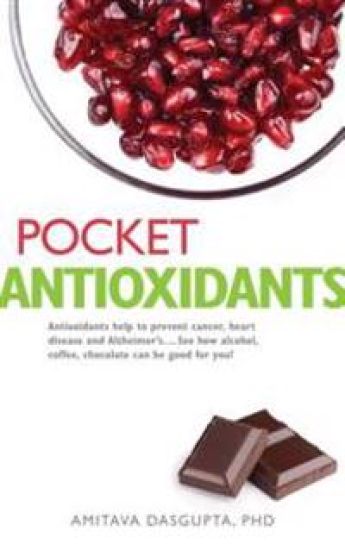
We've all heard the word "antioxidants" and we all have some vague idea of what they are and what they do. Now, with Pocket Antioxidants, medical-level knowledge of this topic is available to a general audience. Prestigious researcher Dr. Amitava Dasgupta takes the latest antioxidant research from peer-reviewed medical journals and makes it accessible to anyone in this handy little book. Dasgupta explains what oxidative stress really means, the danger of "free radicals," and the benefits of antioxidants. He explains that the best way to combat free radicals is by eating antioxidant-rich foods and supplements. Readers will learn which foods are highest in which antioxidants. Readers also learn that antioxidants sometimes come from surprising sources, such as coffee or alcohol. With the tips in this book, readers can avoid the risks of following the false information and pseudoscience found on various web sites, and become empowered to pick their favorite fruits, vegetables, and herbal supplements - with the goal of living a healthier life!
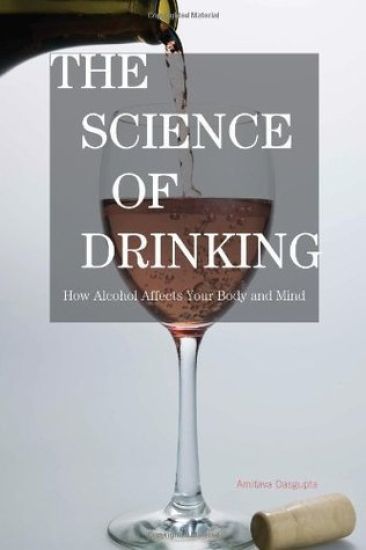
The Science of Drinking

The Science of Drinking

Amitava DasGupta

Rowman Littlefield
2013
pokkari
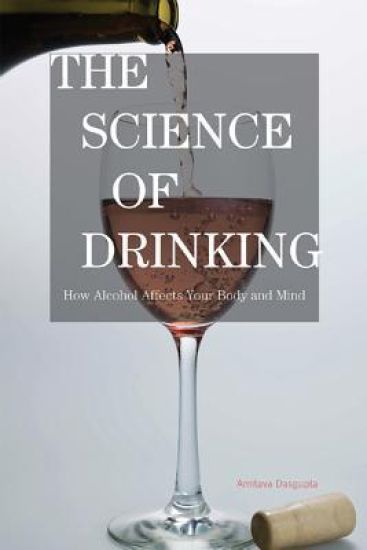
Scientific research has clearly established that drinking in moderation has many health benefits, including maintaining a healthy heart. Yet, many people do not know that drinking red wine protects the heart more than white wine, while beer, margaritas, and hard liquor are less effective in providing such protection. And while alcoholism is a serious problem requiring medical and psychological treatment, for those who are not addicted, drinking alcohol is not necessarily a bad habit. The problem is to distinguish between drinking sensibly and drinking insensibly. Dasgupta clearly outlines what constitutes healthy drinking and its attendant health benefits, offers advice on how to drink responsibly, and provides insight into just how alcohol works on the brain and the body. After reading this book, readers will enjoy their next drink with a fuller and safer understanding of why they're enjoying it.
Resolving Erroneous Reports in Toxicology and Therapeutic Drug Monitoring
The tools for detecting false positives, false negatives, and interference in interactions when testing and monitoring therapeutic drug use For physicians monitoring a patient's progress, efficacy of treatment is often linked to a patient's response to medication. Determining whether a patient is taking the prescribed amount, the drug or dosage is effective, or the prescribed medication is interacting with other drugs can be determined through drug testing. Written as a guide for toxicologists, chemists, and health professionals involved in patient care, Resolving Erroneous Reports in Toxicology and Therapeutic Drug Monitoring provides an up-to-date introduction to the tests and methodologies used in a toxicology lab as well as the sources of testing error that can lead to false positives, false negatives, and unreliable conclusions of drug abuse or under use. Covering a host of common therapeutic drugs as well as specific types of interference in immunoassays used in drug testing, the book details a number of possible testing scenarios and problems as well as solutions: False positive results in immunoassays for drugs in abuse testingInterferences in immunoassays used for monitoring anticonvulsants, tricyclic antidepressants, and digoxinFalse positive alcohol tests using breath analyzers and automated analyzersWhen a toxicology report is negative in a suspected overdose patient: the world of designer drugsEffects of drug-herb interactions on therapeutic drug monitoringPharmacogenomics and the general principles of genetic analysisApproaches for eliminating interference/discordant specimen in therapeutic drug monitoring and drugs in abuse testingWhat to do in case there is no readily available method for testing Complete with easy-to-read tables and flowcharts, this book helps toxicologists, clinical chemists, clinical pathologists, and forensic pathologists develop accurate, unbiased drug monitoring and toxicology reports. Health care professionals involved in patient care, especially of critically ill patients, will find this guide indispensable in making sure lab tests are reliable enough to provide high-quality care. An indispensable handbook to the entire suite of toxicology lab tests, as well as all the possible sources of testing error, Resolving Erroneous Reports in Toxicology and Therapeutic Drug Monitoring offers clear remedies for eliminating and preventing testing error.

Effects of Herbal Supplements on Clinical Laboratory Test Results
Herbal supplements are available without prescription in many countries throughout the world and accounting for over $30 billion U. S dollar in sale. A majority of U. S population (25-40%) use herbal supplements while alternative medicines are major forms of therapy in third world countries used by as much as 80% population. Contrary to the popular belief that herbal remedies are safe and effective, many herbal supplements have known toxicity and unexpected laboratory test results may be the early indications of such toxicity. In addition, some herbal products such as St. John’s wort can interact with many Western drugs causing increased clearance of such drugs and hence treatment failure. This monograph would provide information on how herbal supplements affect laboratory test results thus patient’s safety. This monograph would provide a comprehensive and concise practical guide for laboratory professionals, physicians and other health care professionals. The emphasis of this monograph is to provide clinically relevant information rather than discussing in detail mechanisms of such effect, although brief explanations would be provided for such unexpected test results.
The Science of Drinking

The Science of Drinking

Amitava Dasgupta

Rowman Littlefield
2011
sidottu
Scientific research has clearly established that drinking in moderation has many health benefits, including maintaining a healthy heart. Yet, many people do not know that drinking red wine protects the heart more than white wine, while beer, margaritas, and hard liquor are less effective in providing such protection. And while alcoholism is a serious problem requiring medical and psychological treatment, for those who are not addicted, drinking alcohol is not necessarily a bad habit. The problem is to distinguish between drinking sensibly and drinking insensibly. Dasgupta clearly outlines what constitutes healthy drinking and its attendant health benefits, offers advice on how to drink responsibly, and provides insight into just how alcohol works on the brain and the body. After reading this book, readers will enjoy their next drink with a fuller and safer understanding of why they're enjoying it.
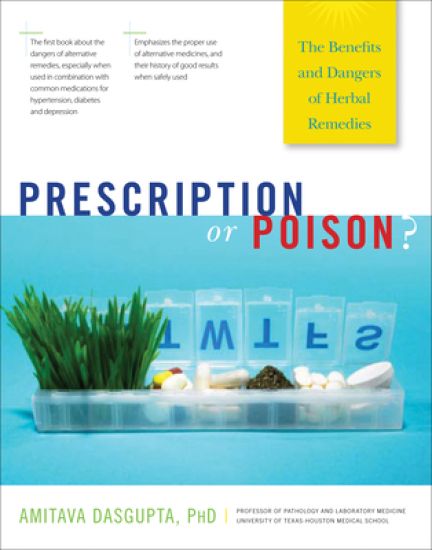
Prescription or Poison?

Prescription or Poison?

Amitava Dasgupta

Hunter House Publishers
2010
sidottu
The widely used herbal antidepressant kava is damaging to the liver. Pregnant women should avoid most herbal remedies because of pesticides and preservatives required in the growth and storage of the herbs. Most ayurvedic medicines contain unacceptable levels of lead and other heavy metals. St. John's Wort could complicate any chronic medical condition. Many people see herbal remedies as "natural" and therefore safe, but in Prescription or Poison? Dr. Amitava Dasgupta explains that one of his first pharmacology professors taught him that "medicine" is just another word for "poison" and all medicines of any kind should be treated with great caution. This book, written for the layperson but based on solid science and research, explains how toxic many alternative remedies can be, alone or in combination with widely prescribed drug treatments. He includes detailed information on the proper use of alternative medicines and their history of good results, while also cautioning readers in this wake-up call about the casual, often uninformed, and sometimes damaging use of alternative remedies.
Prescription or Poison?

Prescription or Poison?

Amitava DasGupta

Hunter House Inc.,U.S.
2010
pokkari
The widely used herbal antidepressant kava is damaging to the liver. Pregnant women should avoid most herbal remedies because of pesticides and preservatives required in the growth and storage of the herbs. Most ayurvedic medicines contain unacceptable levels of lead and other heavy metals. St. John's Wort could complicate any chronic medical condition. Many people see herbal remedies as "natural" and therefore safe, but in Prescription or Poison? Dr. Amitava Dasgupta explains that one of his first pharmacology professors taught him that "medicine" is just another word for "poison" and all medicines of any kind should be treated with great caution. This book, written for the layperson but based on solid science and research, explains how toxic many alternative remedies can be, alone or in combination with widely prescribed drug treatments. He includes detailed information on the proper use of alternative medicines and their history of good results, while also cautioning readers in this wake-up call about the casual, often uninformed, and sometimes damaging use of alternative remedies.
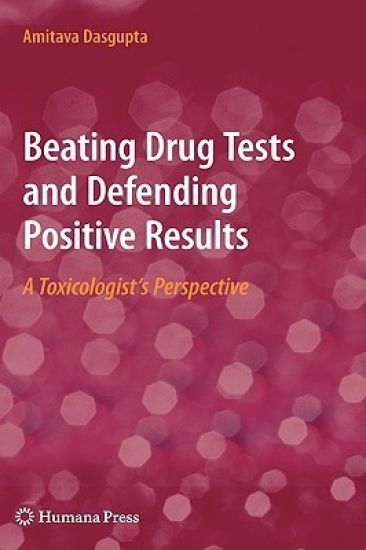
Beating Drug Tests and Defending Positive Results

Beating Drug Tests and Defending Positive Results

Amitava DasGupta

Humana Press Inc.
2010
sidottu
A majority of the Fortune 500 Companies implement some practice of workplace drug testing in their company policies. This practice was first initiated by President Ronald Reagan when he ordered federal agencies to drug test federal employees involved in sensitive positions as well as positions involving public safety. As a practicing toxicologist, Dr. Amitava Dasgupta is involved with the pre-employment drug testing at his own hospital and aptly shares his expertise in Beating Drug Tests and Defending Positive Results: A Toxicologist’s Perspective, which covers all major issues concerning how people try to beat drug tests and defend positive test results. In each chapter, extensive references are cited so that readers can access more information on a particular topic that may interest them. The book will undoubtedly prove helpful to toxicologists, medical technologists, pathologists, human resources professionals and anyone interested in workplace drug testing.