Kirjojen hintavertailu – 12 859 819 kirjaa ja 27 kauppaa

Kirjailija

Amy J. Heineke

Kirjat ja teokset yhdessä paikassa: 8 kirjaa, julkaisuja vuosilta 2016–2026, suosituimpiin kuuluu Promoting Multilingualism in Schools. Vertaile teosten hintoja ja tarkista saatavuus suomalaisista kirjakaupoista.

Nimi esiintyy myös muodoissa: Amy J Heineke

8 kirjaa

Kirjojen julkaisuvuodet: 2016–2026.

Pathways to the Seal of Biliteracy

Pathways to the Seal of Biliteracy

Amy J. Heineke; Kristin J. Davin

GEORGETOWN UNIVERSITY PRESS
2026
pokkari
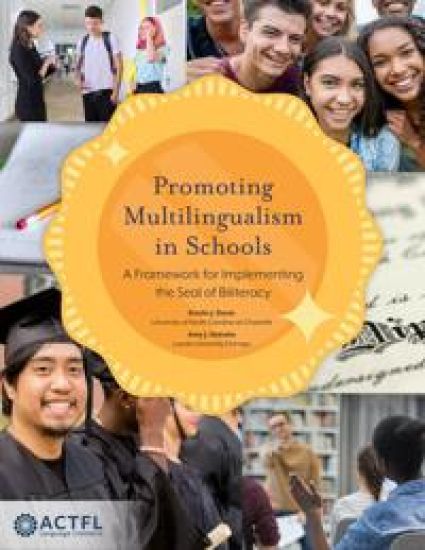
A roadmap for enhancing students' equitable access to biliteracy development Monolingual ideologies have driven US educational policy for centuries. Despite the benefits of multilingualism, policies have often prioritized English and reduced children's access to their home languages. The "Seal of Biliteracy" is a language education policy that recognizes students' proficiency in two languages as a mechanism for nurturing students' bilingualism and growing the United States' multilingual capacity. Since its inception, the Seal of Biliteracy has become a national program that has been extended into elementary and middle schools as pathway awards—benchmarks signaling that younger students are on the pathway to receiving the Seal of Biliteracy. Pathways to the Seal of Biliteracy provides foundational understandings, practical examples, and key levers necessary to help parents, educators, and policymakers understand and implement pathways to biliteracy in schools. Situating the program within broader bilingual, heritage, and world language education systems, Amy J. Heineke and Kristin J. Davin explain the history of bilingualism and language policy in US education, and they outline an accessible and equitable approach to developing successful pathway programs. Pathways to the Seal of Biliteracy will be an invaluable tool for educators, stakeholders, and policymakers looking to nurture multilingualism, advance language programming, and help students achieve the Seal of Biliteracy.
Pathways to the Seal of Biliteracy

Pathways to the Seal of Biliteracy

Amy J. Heineke; Kristin J. Davin

GEORGETOWN UNIVERSITY PRESS
2026
sidottu
A roadmap for enhancing students' equitable access to biliteracy development Monolingual ideologies have driven US educational policy for centuries. Despite the benefits of multilingualism, policies have often prioritized English and reduced children's access to their home languages. The "Seal of Biliteracy" is a language education policy that recognizes students' proficiency in two languages as a mechanism for nurturing students' bilingualism and growing the United States' multilingual capacity. Since its inception, the Seal of Biliteracy has become a national program that has been extended into elementary and middle schools as pathway awards—benchmarks signaling that younger students are on the pathway to receiving the Seal of Biliteracy. Pathways to the Seal of Biliteracy provides foundational understandings, practical examples, and key levers necessary to help parents, educators, and policymakers understand and implement pathways to biliteracy in schools. Situating the program within broader bilingual, heritage, and world language education systems, Amy J. Heineke and Kristin J. Davin explain the history of bilingualism and language policy in US education, and they outline an accessible and equitable approach to developing successful pathway programs. Pathways to the Seal of Biliteracy will be an invaluable tool for educators, stakeholders, and policymakers looking to nurture multilingualism, advance language programming, and help students achieve the Seal of Biliteracy.
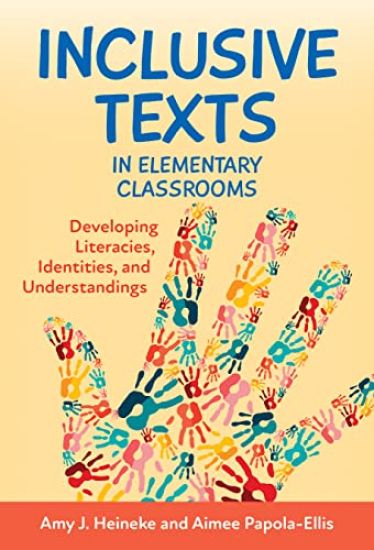
Inclusive Texts in Elementary Classrooms

Inclusive Texts in Elementary Classrooms

Amy J. Heineke; Aimee Papola-Ellis

TEACHERS' COLLEGE PRESS
2022
nidottu
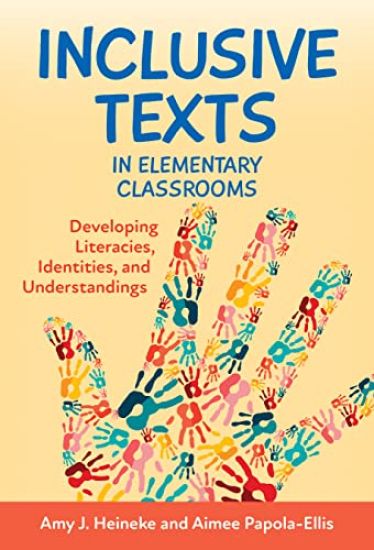
Learn how to put children's diverse and storied experiences at the center of the curriculum. Schools are more diverse than ever before, but the texts and materials that typify classroom curricula continue to prioritize so-called mainstream stories and perspectives. These canonical texts often exclude the nuanced identities and rich lived experiences of the very children sitting in today's classrooms. But kids thrive when they see themselves in texts and learn about the world around them by connecting with the experiences of others. Based on the authors' work with elementary school teachers over the last decade, this resource offers strategies for moving away from canonical texts. The authors present a four-part framework for selecting, using, and engaging students with texts that promote children's identity development, literacy engagement and comprehension, and learning across the content areas. The practical text provides guidance for setting learning goals that align with relevant standards and curricular directives, as well as classrooms examples, teaching strategies, and reflective questions. Book Features:An actionable way for teachers to move from theory to practice, using what we know about culturally relevant practice and critical literacy to create instruction that enhances children's classroom experiences and learning. An inclusive and intersectional approach that supports all teachers in enhancing their classroom libraries and curricular resources for the benefit of all students. Specific ideas for texts and authors, as well as more generalizable themes and ideas that will guide future exploration and use of texts in classrooms. Tangible strategies and rich classrooms examples from 20 expert teachers spanning diverse elementary school settings. Reflective questions to help practitioners personalize the content to their own contexts.
Inclusive Texts in Elementary Classrooms

Inclusive Texts in Elementary Classrooms

Amy J. Heineke; Aimee Papola-Ellis

TEACHERS' COLLEGE PRESS
2022
sidottu
Learn how to put children's diverse and storied experiences at the center of the curriculum. Schools are more diverse than ever before, but the texts and materials that typify classroom curricula continue to prioritize so-called mainstream stories and perspectives. These canonical texts often exclude the nuanced identities and rich lived experiences of the very children sitting in today's classrooms. But kids thrive when they see themselves in texts and learn about the world around them by connecting with the experiences of others. Based on the authors' work with elementary school teachers over the last decade, this resource offers strategies for moving away from canonical texts. The authors present a four-part framework for selecting, using, and engaging students with texts that promote children's identity development, literacy engagement and comprehension, and learning across the content areas. The practical text provides guidance for setting learning goals that align with relevant standards and curricular directives, as well as classrooms examples, teaching strategies, and reflective questions. Book Features:An actionable way for teachers to move from theory to practice, using what we know about culturally relevant practice and critical literacy to create instruction that enhances children's classroom experiences and learning. An inclusive and intersectional approach that supports all teachers in enhancing their classroom libraries and curricular resources for the benefit of all students. Specific ideas for texts and authors, as well as more generalizable themes and ideas that will guide future exploration and use of texts in classrooms. Tangible strategies and rich classrooms examples from 20 expert teachers spanning diverse elementary school settings. Reflective questions to help practitioners personalize the content to their own contexts.
Using Understanding by Design in the Culturally and Linguistically Diverse Classroom

Using Understanding by Design in the Culturally and Linguistically Diverse Classroom

Amy J. Heineke; Jay McTighe

Association for Supervision Curriculum Development
2018
nidottu
How can today's teachers, whose classrooms are more culturally and linguistically diverse than ever before, ensure that their students achieve at high levels? How can they design units and lessons that support English learners in language development and content learning—simultaneously? Authors Amy Heineke and Jay McTighe provide the answers by adding a lens on language to the widely used Understanding by Design® framework (UbD® framework) for curriculum design, which emphasizes teaching for understanding, not rote memorization. Readers will learn:The components of the UbD framework. The fundamentals of language and language development. How to use diversity as a valuable resource for instruction by gathering information about students' background knowledge from home, community, and school. How to design units and lessons that integrate language development with content learning in the form of essential knowledge and skills. How to assess in ways that enable language learners to reveal their academic knowledge. Student profiles, real-life classroom scenarios, and sample units and lessons provide compelling examples of how teachers in all grade levels and content areas use the UbD framework in their culturally and linguistically diverse classrooms. Combining these practical examples with findings from an extensive research base, the authors deliver a useful and authoritative guide for reaching the overarching goal: ensuring that all students have equitable access to high-quality curriculum and instruction.
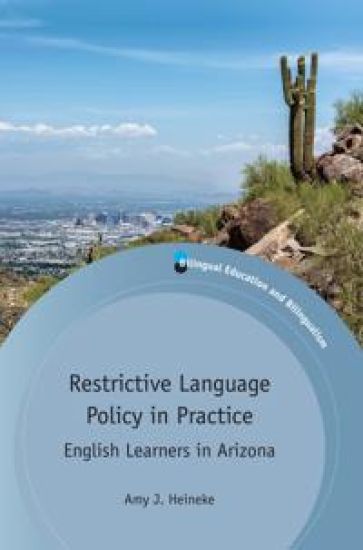
Restrictive Language Policy in Practice

Restrictive Language Policy in Practice

Amy J. Heineke

Multilingual Matters
2017
nidottu
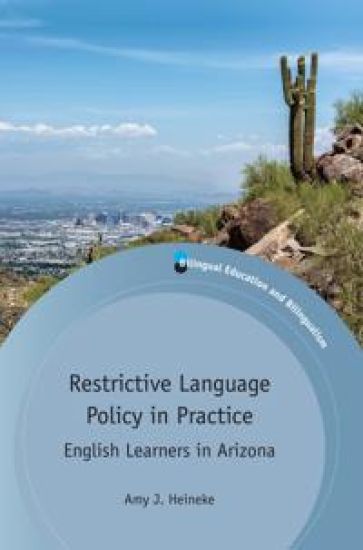
As the most restrictive language policy context in the United States, Arizona’s monolingual and prescriptive approach to teaching English learners continues to capture international attention. More than five school years after initial implementation, this study uses qualitative data from the individuals doing the policy work to provide a holistic picture of the complexities and intricacies of Arizona’s language policy in practice. Drawing on the varied perspectives of teachers, leaders, administrators, teacher-educators, lawmakers and community activists, the book examines the lived experiences of those involved in Arizona’s language policy on a daily basis, highlighting the importance of local perspectives and experiences as well as the need to prepare and professionalize teachers of English learners.
Restrictive Language Policy in Practice

Restrictive Language Policy in Practice

Amy J. Heineke

Multilingual Matters
2016
sidottu
As the most restrictive language policy context in the United States, Arizona’s monolingual and prescriptive approach to teaching English learners continues to capture international attention. More than five school years after initial implementation, this study uses qualitative data from the individuals doing the policy work to provide a holistic picture of the complexities and intricacies of Arizona’s language policy in practice. Drawing on the varied perspectives of teachers, leaders, administrators, teacher-educators, lawmakers and community activists, the book examines the lived experiences of those involved in Arizona’s language policy on a daily basis, highlighting the importance of local perspectives and experiences as well as the need to prepare and professionalize teachers of English learners.