Kirjojen hintavertailu – 12 903 725 kirjaa ja 27 kauppaa

Kirjailija

Amy Mills

Kirjat ja teokset yhdessä paikassa: 5 kirjaa, julkaisuja vuosilta 2010–2024, suosituimpiin kuuluu Pitmaster. Vertaile teosten hintoja ja tarkista saatavuus suomalaisista kirjakaupoista.

5 kirjaa

Kirjojen julkaisuvuodet: 2010–2024.

Pitmaster

Pitmaster

Andy Husbands; Chris Hart; Mike Mills; Amy Mills

Fair Winds Press
2017
sidottu
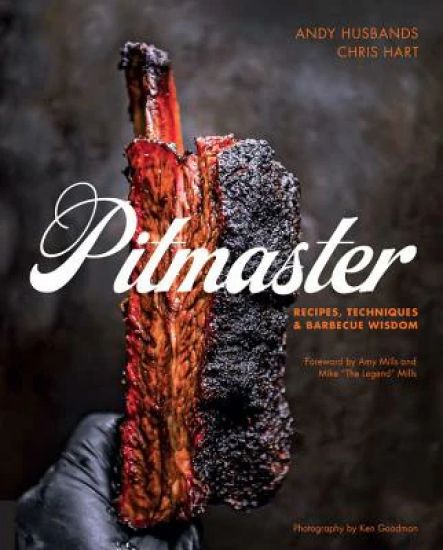
Step up your barbeque game. Pitmaster is the definitive guide to becoming a barbecue aficionado and top-shelf cook from renowned chefs Andy Husbands and Chris Hart. Barbecue is more than a great way to cook a tasty dinner. For a true pitmaster, barbecue is a way of life. Whether you're new to the grill or a seasoned vet, Pitmaster is here to show you what it takes to truly put your barbeque game on point. Recipes begin with basics, like cooking Memphis-style ribs, and expand to smoking whole hogs North Carolina style. There is no single path to becoming a pitmaster. Barbecue lovers are equally inspired by restaurants with a commitment to regional traditions, competition barbecue champions, families with a multi-generational tradition of roasting whole hogs, and even amateur backyard fanatics. This definitive collection of barbecue expertise will leave you in no doubt why expert chefs and backyard cooks alike eat, live, and breathe barbecue. Pitmaster features:Specific tips and techniques for proper smoker operation—the cornerstone of all successful barbecue recipes—using Weber, Offset, Kamado, and other classic smoker stylesA backyard cooking chapter offering the basics of becoming a successful barbecue cookSpotlights on specific regional barbecue styles, such as Texas, Kansas City, and the Carolinas, which set the stage for more advanced barbecue techniques and recipes, such as Butterfly Pork Butt Burnt Ends and Central Texas Beef RibsAn exploration of new styles of barbecue developing in the NorthChris and Andy’s secret competition barbecue recipes that have won them hundreds of awardsRegional side dishes, cocktails, and simple dessertsA guest pitmaster in each chapter who is an expert in their given region or style of barbecue cooking. Guest pitmasters include: Steve Raichlen (author and host of Project Smoke on PBS), Jake Jacobs, Sam Jones (Skylight Inn and Sam Jones Barbecue), Elizabeth Karmel (Carolina Cue To Go), Tuffy Stone (Q Barbecue), Rod Gray (eat bbq), John Lewis (Lewis Barbecue), Jamie Geer (owner of Jambo Pits) and Billy Durney (Hometown Bar-B-Que)

Praise the Lard: Recipes and Revelations from a Legendary Life in Barbecue
Signature recipes and wisdom from the country's foremost pitmaster Mike Mills and Amy Mills, the dynamic father-daughter duo behind the famous 17th Street Barbecue, are two of the most influential people in barbecue. Known as "The Legend," Mike is a Barbecue Hall-of-Famer, a four-time barbecue World Champion, a three-time Grand World Champion at Memphis in May (the Super Bowl of Swine), and a founder of the Big Apple Block Party. A third-generation barbecuer, Amy is the marketing mind behind the business, a television personality, and industry expert. Praise the Lard, named after the Mills' popular Southern Illinois cook-off, now in its thirtieth year, dispenses all the secrets of the family's lifetime of worshipping at the temple of barbecue. At the heart of the book are almost 100 recipes from the family archives: Private Reserve Mustard Sauce, Ain't No Thang but a Chicken Wing, Pork Belly Bites, and Prime Rib on the Pit, Tangy Pit Beans, and Blackberry Pie. With hundreds food photos, candids, and illustrations, this book is as rich as the Mills' history.
Streets of Memory

Streets of Memory

Amy Mills

University of Georgia Press
2010
sidottu
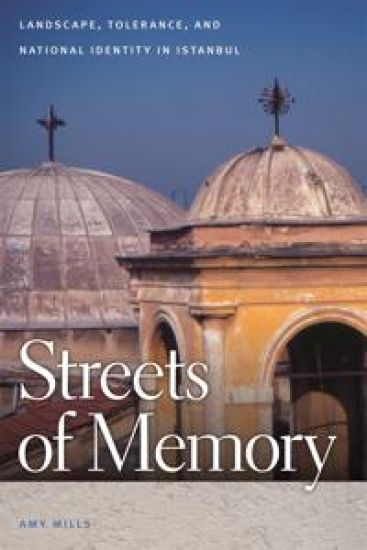
In this study of Kuzguncuk, known as one of Istanbul’s historically most tolerant, multiethnic neighborhoods, Amy Mills is animated by a single question: what does it mean to live in a place that once was—but no longer is—ethnically and religiously diverse?“Turkification” drove out most of Kuzguncuk’s minority Greeks, Armenians, and Jews in the mid-twentieth century, but they left behind potent vestiges of their presence in the cityscape. Mills analyzes these places in a street-by-street ethnographic tour. She looks at how memory is conveyed and contested in Kuzguncuk’s built environment, whether through the popular television programs filmed on location there or in the cross-class alliance that sprung up to advocate the preservation of an old market garden. Overall, she finds that the neighborhood’s landscape not only connotes feelings of “belonging and familiarity” connected to a “narrative of historic multiethnic harmony” but also makes these ideas appear to be uncontestably real, or true. The resulting nostalgia bolsters a version of Turkish nationalism that seems cosmopolitan and benign. This study of memories of interethnic relationships in a local place examines why the cultural memory of tolerance has become so popular and raises questions regarding the nature and meaning of cosmopolitanism in the contemporary Middle East. A major contribution to urban studies, human geography, and Middle East studies, Streets of Memory is imbued with a sense of genuine connection to Istanbul and the people who live there.
Streets of Memory

Streets of Memory

Amy Mills

University of Georgia Press
2010
pokkari
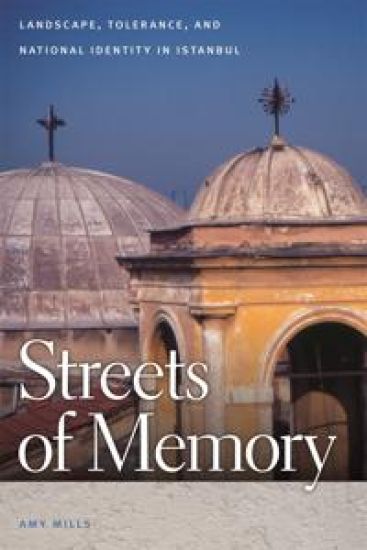
In this study of Kuzguncuk, known as one of Istanbul’s historically most tolerant, multiethnic neighborhoods, Amy Mills is animated by a single question: what does it mean to live in a place that once was—but no longer is—ethnically and religiously diverse?“Turkification” drove out most of Kuzguncuk’s minority Greeks, Armenians, and Jews in the mid-twentieth century, but they left behind potent vestiges of their presence in the cityscape. Mills analyzes these places in a street-by-street ethnographic tour. She looks at how memory is conveyed and contested in Kuzguncuk’s built environment, whether through the popular television programs filmed on location there or in the cross-class alliance that sprung up to advocate the preservation of an old market garden. Overall, she finds that the neighborhood’s landscape not only connotes feelings of “belonging and familiarity” connected to a “narrative of historic multiethnic harmony” but also makes these ideas appear to be uncontestably real, or true. The resulting nostalgia bolsters a version of Turkish nationalism that seems cosmopolitan and benign. This study of memories of interethnic relationships in a local place examines why the cultural memory of tolerance has become so popular and raises questions regarding the nature and meaning of cosmopolitanism in the contemporary Middle East. A major contribution to urban studies, human geography, and Middle East studies, Streets of Memory is imbued with a sense of genuine connection to Istanbul and the people who live there.