Kirjojen hintavertailu – 12 903 725 kirjaa ja 27 kauppaa

Kirjailija

Anabelle Kienle Ponka

Kirjat ja teokset yhdessä paikassa: 3 kirjaa, julkaisuja vuosilta 2015–2025, suosituimpiin kuuluu Winter Count | Compte d'hiver. Vertaile teosten hintoja ja tarkista saatavuus suomalaisista kirjakaupoista.

3 kirjaa

Kirjojen julkaisuvuodet: 2015–2025.

Winter Count | Compte d'hiver

Winter Count | Compte d'hiver

Katerina Atanassova; Wahsontiio Cross; Anabelle Kienle Ponka; Jocelyn Piirainen

Goose Lane Editions
2025
pokkari
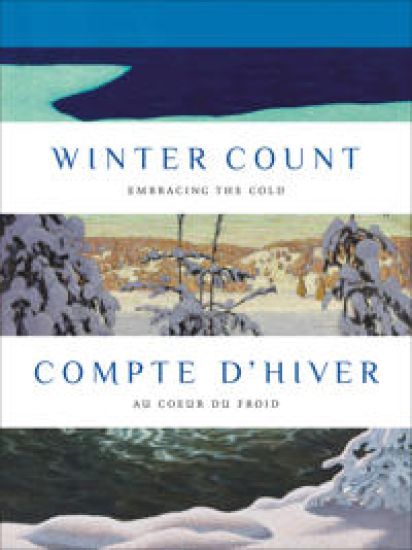
Winter Count draws inspiration from the Plains First Nations practices of recording significant events each winter, a visual reminder that helps structure histories and traditions passed down to future generations. This handsome volume explores how winter has long shaped Indigenous, Canadian settler, and northern European art, uniting different cultural perspectives through such diverse topics as storytelling, effects of light, physical adaptation, and community and isolation. Presenting a selection of works spanning from the early 19th century to the present day — including artists such as Kenojuak Ashevak, J. E. H. MacDonald, Claude Monet, Kent Monkman, Megan Musseau, and Jin-me Yoon — Winter Count features approximately 170 plates, along with illustrated essays by curators from the National Gallery of Canada. The result is a book that invites readers to see winter anew — not as a season to be endured, but as a source of invention, connection, and mutual respect across time and place.
Treasures Past and Present

Treasures Past and Present

Johann Kräftner; Frederic Elsig; Anabelle Kienle Ponka; Arthur Wheelock

Prestel
2020
sidottu
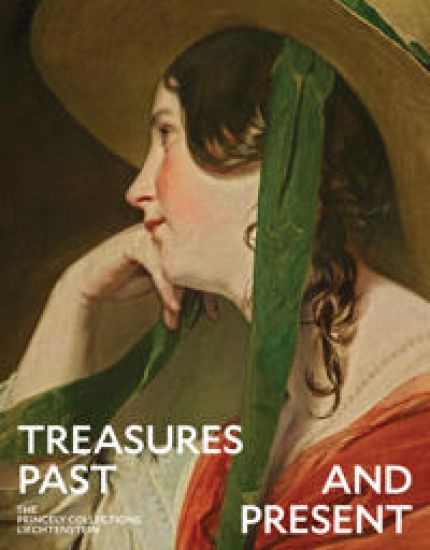
The Princely Collections of Liechtenstein gained momentum during the early 17th century when Prince Karl I commissioned several works, including Adriaen de Fries’s life-sized bronze of Christ in Distress. From that point on, the artistic holdings of the principality grew and were shaped by each successive monarch. Over the centuries, the collections expanded to include works by masters such as da Vinci, Botticelli, Rembrandt, Rubens, and Van Dyck. They now comprise some 1,700 paintings and sculptures, dating from the early Renaissance to the 19th century. The collections also contain important works of graphic art, porcelain, tapestries, and furniture that once adorned the Liechtenstein castles and palaces. This sumptuously illustrated volume explores the historical evolution of the Princely Collections, tracing the works’ acquisition as well as their occasional sale and relocation to museums around the world. Nearly one hundred of the collections’ highlights by approximately 60 artists are presented in this book, which allows readers to fully appreciate the breadth and depth of these storied collections.
Monet – A Bridge to Modernity

Monet – A Bridge to Modernity

Anabelle Kienle Ponka

Five Continents Editions
2015
sidottu
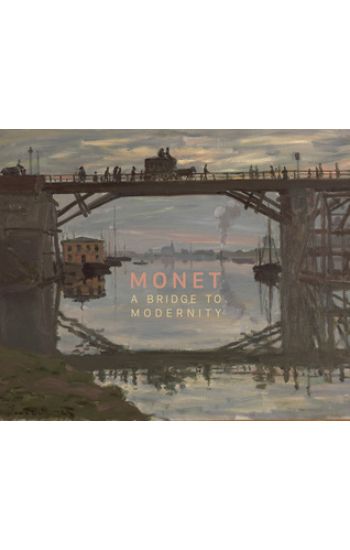
For the first time, this book explores a new aspect of Monet's work: his fascination, during the 1870s, with bridges. French painter Claude Monet (1840-1926) is one of the most popular artists of all time. His paintings of water lilies, haystacks, cathedrals, and much more are all celebrated and beloved. For the first time, this book explores a new aspect of Monet's work: his fascination, during the 1870s, with bridges. After moving to Argenteuil, a small town on the outskirts of Paris, Monet was drawn to the local footbridge near his house on the banks of the Seine. His painting of it, The Wooden Bridge, 1872, is a composition of startling modernity. The book begins with this work and explores Monet's use of the bridge motif from 1872 to 1877 in the aftermath of the Franco-Prussian war and beyond. Beautifully illustrated and published to accompany a major exhibition, the book explores how Monet sought to establish himself as a leader of the avant-garde and how his paintings of bridges played a pivotal role in this context. Focusing on twelve major paintings by Monet, the catalogue further examines the Impressionists' response to their ever-changing environment and the late nineteenth-century transformation of Paris and its suburbs. The publication consists of three sections featuring three essays followed by an illustrated chronology: Monet's use of the bridge as a testing ground for his innovative ideas, the role of photography, illustrations, and contemporary influences; the expansion of Paris and the urban cityscape; the role of Impressionism in the context of the Franco-Prussian war. Text in English and French.