Kirjojen hintavertailu – 12 903 735 kirjaa ja 27 kauppaa
Kirjailija
Anathea E. Portier-Young
Kirjat ja teokset yhdessä paikassa: 5 kirjaa, julkaisuja vuosilta 2014–2026, suosituimpiin kuuluu Scripture and Social Justice. Vertaile teosten hintoja ja tarkista saatavuus suomalaisista kirjakaupoista.
Nimi esiintyy myös muodoissa: Anathea E. Portier Young
Stephen P. Ahearne-Kroll; Harold W. Attridge; Corrine Carvalho; Adela Yarbro Collins; John J. Collins; John R. Donahue; John Endres; Gina Hens-Piazza; Anathea E. Portier-Young; Julia D. E. Prinz; Gregory E. Sterling
The essays gathered here provide a panoramic view of current thinking on biblical texts that play important roles in contemporary struggles for social justice – either as inspiration or impediment. Here, from the hands of an ecumenical array of leading biblical scholars, are fresh and compelling resources for thinking biblically about what justice is and what it demands. Individual essays treat key debates, themes, and texts, locating each within its historical and cultural settings while also linking them to the most pressing justice concerns of the twenty-first century. The volume aims to challenge academic and ecclesiastical complacency and highlight key avenues for future scholarship and action.
Stephen P. Ahearne-Kroll; Harold W. Attridge; Corrine Carvalho; Adela Yarbro Collins; John J. Collins; John R. Donahue; John Endres; Gina Hens-Piazza; Anathea E. Portier-Young; Julia D. E. Prinz; Gregory E. Sterling
The essays gathered here provide a panoramic view of current thinking on biblical texts that play important roles in contemporary struggles for social justice – either as inspiration or impediment. Here, from the hands of an ecumenical array of leading biblical scholars, are fresh and compelling resources for thinking biblically about what justice is and what it demands. Individual essays treat key debates, themes, and texts, locating each within its historical and cultural settings while also linking them to the most pressing justice concerns of the twenty-first century. The volume aims to challenge academic and ecclesiastical complacency and highlight key avenues for future scholarship and action.

It is common to think of prophecy as a matter of words, and biblical literature frequently portrays and presents prophecy as precisely that. Yet biblical narrative also frequently portrays prophets interacting with the material world. Within that broader nexus of interactions, this book focuses on prophetic interactions with material objects, or things. Things feature prominently in prophetic acts of power and symbolic actions. In these acts, things are more than tools or props. They exercise agency. They mediate and reveal. A focus on the mediatory, revelatory, responsive, and transformative agency of things introduces a wider set of actors and partners and thematizes the entangled agency of prophet, God, and material world. Undergirding biblical understandings of the mediatory agency of things is a symbolic imagination that is shared between biblical prophetic literature and Christian sacramental theology. Applying the concept of performance to prophetic symbolic actions further illuminates these commonalities. Braiding together these seemingly disparate threads allows us to develop an integrative approach to the mediatory and revelatory agency of things that is both interactive and relational.
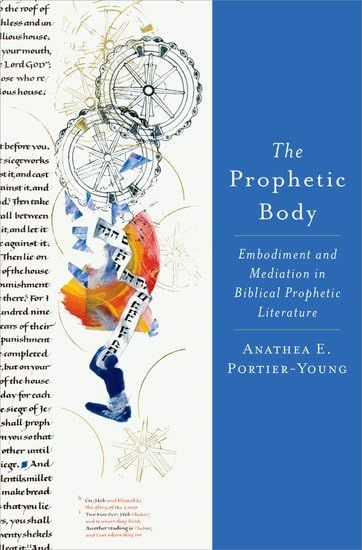
Biblical prophecy involves more than words: it is always also embodied. After assessing the prevalence, implications, and origins of a logocentric model of biblical prophecy, Anathea E. Portier-Young proposes an alternative, embodied paradigm of analysis that draws insights from disciplines ranging from cognitive neuroscience to anthropology. Portier-Young provides a new, embodied paradigm of analysis for biblical prophecy, offering tools for academics and students to study a wide range of texts with new emphasis on the body. If offers a broadly-based account of prophetic embodiment. The author first assesses the prevalence, implications, and origins of a logocentric model of biblical prophecy, then proposes an alternative, embodied, and interdisciplinary paradigm. She argues that embodied religious experience and affect are not merely antecedent or coincidental to prophetic mediation but are both means (how mediation occurs) and objects (part of what is mediated). While Portier-Young's primary aim is to intervene in how biblical scholars understand and talk about prophecy, it has broader implications for how we map the relationships between spoken and written word(s) on one hand and body and praxis on the other. The author provides a game-changing reframing of prophecy that not only changes how we read biblical texts but also funds and energizes our understanding of prophetic witness in the contemporary world.
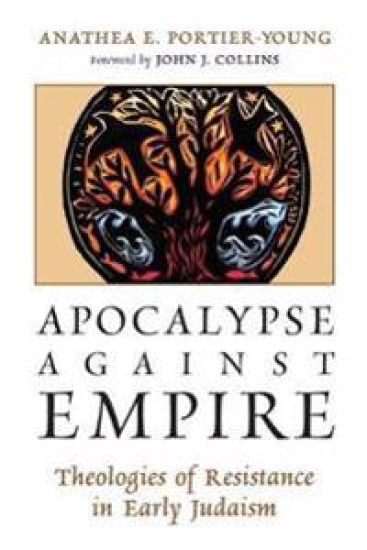
The year 167 B. C. E. marked the beginning of a period of intense persecution for the people of Judea, as Seleucid emperor Antiochus IV Epiphanes attempted -- forcibly and brutally -- to eradicate traditional Jewish religious practices. In Apocalypse against Empire Anathea Portier-Young reconstructs the historical events and key players in this traumatic episode in Jewish history and provides a sophisticated treatment of resistance in early Judaism. Building on a solid contextual foundation, Portier-Young argues that the first Jewish apocalypses emerged as a literature of resistance to Hellenistic imperial rule. In particular, Portier-Young contends, the book of Daniel, the Apocalypse of Weeks, and the Book of Dreams were written to supply an oppressed people with a potent antidote to the destructive propaganda of the empire -- renewing their faith in the God of the covenant and answering state terror with radical visions of hope.