Kirjojen hintavertailu – 12 859 828 kirjaa ja 27 kauppaa

Kirjailija

Anders Ahlbäck

Kirjat ja teokset yhdessä paikassa: 3 kirjaa, julkaisuja vuosilta 2014–2021, suosituimpiin kuuluu Manhood and the Making of the Military. Vertaile teosten hintoja ja tarkista saatavuus suomalaisista kirjakaupoista.

3 kirjaa

Kirjojen julkaisuvuodet: 2014–2021.

Allmän rösträtt? : rösträttens begränsningar i Sverige efter 1921

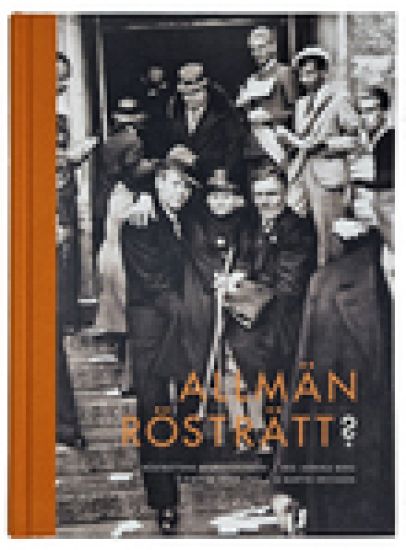
Allmän rösträtt? : rösträttens begränsningar i Sverige efter 1921

Annika Berg; Martin Ericsson; Anders Ahlbäck; Jonathan Josefsson; Mattias Lindgren; Julia Nordblad; Bengt Sandin; Fia Sundevall

Makadam förlag
2021
sidottu
För hundra år sedan lyckades arbetarrörelsen och kvinnorörelsen driva igenom sina krav på allmän rösträtt i Sverige. I första världskrigets slutskede gav högern -- skrämda av revolutionära krafter i Ryssland och Västeuropa -- till slut upp sitt motstånd mot demokratiseringen och 1921 hölls det första valet med så kallad allmän och lika rösträtt. Men hur omfattande var den rösträtt som infördes 1918--1921? I denna bok tecknas rösträttens historia i Sverige efter den allmänna rösträttens införande. Det visar sig här att rätten att rösta under 1900-talet inte alls omfattat alla befolkningsgrupper. Fattiga, gamla och konkursdrabbade har tidvis exkluderats, värnpliktsvägrare, fångar och omyndigförklarade likaså. Åldersgränserna har varierat, liksom relationen mellan rösträtten och det svenska medborgarskapet. Dessutom har reglerna för hur röstningen rent praktiskt ska gå till gjort det svårt för vissa grupper, bland annat renskötande samer, att utnyttja sin rätt. Allmän rösträtt? Rösträttens begränsningar i Sverige efter 1921 handlar om rösträttens föränderliga gränser och ställer frågor om demokratins räckvidd -- i det förflutna och i vår samtid. Redaktörer: Annika Berg, idéhistoriker vid Stockholms universitet, och Martin Ericsson, historiker vid Lunds universitet. Medverkande författare: Anders Ahlbäck, Jonathan Josefsson, Mattias Lindgren, Julia Nordblad, Bengt Sandin, Fia Sundevall. Trådbundet kartonnageband med klotrygg.
Manhood and the Making of the Military
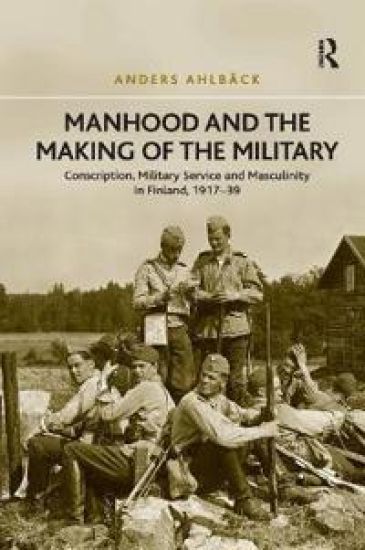
When Finland gained its independence from Russia in 1917, the country had not had a military for almost two decades. The ensuing creation of a new national conscript army aroused intense but conflicting emotions among the Finns. This book examines how a modern conscript army, born out of a civil war, had to struggle through social, cultural and political minefields to find popular acceptance. Exploring the ways that images of manhood were used in the controversies, it reveals the conflicts surrounding compulsory military service in a democratic society and the compromises made as the new nation had to develop the will and skill to defend itself. Through the lens of masculinity, another picture of conscription emerges, offering new understandings of why military service was resisted and supported, dreaded and celebrated in Finnish society. Intertwined with the story of the making of the military runs the story of how manhood was made and remade through the idealized images and real-life experiences of conscripted soldiers. Placing interwar Finland within a broad European context, the book traces the origins of competing military traditions and ideological visions of modern male citizenship back to their continental origins. It contributes to the need for studies on the impact of the Great War on masculinities and constructions of gender among military cultures in the peacetime period between the two world wars.
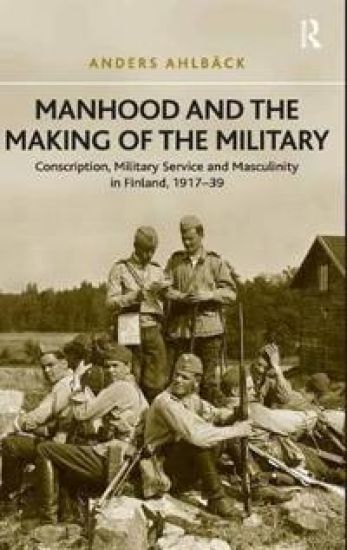
Manhood and the Making of the Military

Manhood and the Making of the Military

Anders Ahlbäck

Ashgate Publishing Limited
2014
sidottu
When Finland gained its independence from Russia in 1917, the country had not had a military for almost two decades. The ensuing creation of a new national conscript army aroused intense but conflicting emotions among the Finns. This book examines how a modern conscript army, born out of a civil war, had to struggle through social, cultural and political minefields to find popular acceptance. Exploring the ways that images of manhood were used in the controversies, it reveals the conflicts surrounding compulsory military service in a democratic society and the compromises made as the new nation had to develop the will and skill to defend itself. Through the lens of masculinity, another picture of conscription emerges, offering new understandings of why military service was resisted and supported, dreaded and celebrated in Finnish society. Intertwined with the story of the making of the military runs the story of how manhood was made and remade through the idealized images and real-life experiences of conscripted soldiers. Placing interwar Finland within a broad European context, the book traces the origins of competing military traditions and ideological visions of modern male citizenship back to their continental origins. It contributes to the need for studies on the impact of the Great War on masculinities and constructions of gender among military cultures in the peacetime period between the two world wars.