Kirjojen hintavertailu – 12 859 818 kirjaa ja 27 kauppaa

Kirjailija

Andre E. Johnson

Kirjat ja teokset yhdessä paikassa: 11 kirjaa, julkaisuja vuosilta 2012–2024, suosituimpiin kuuluu No Future in This Country. Vertaile teosten hintoja ja tarkista saatavuus suomalaisista kirjakaupoista.

11 kirjaa

Kirjojen julkaisuvuodet: 2012–2024.

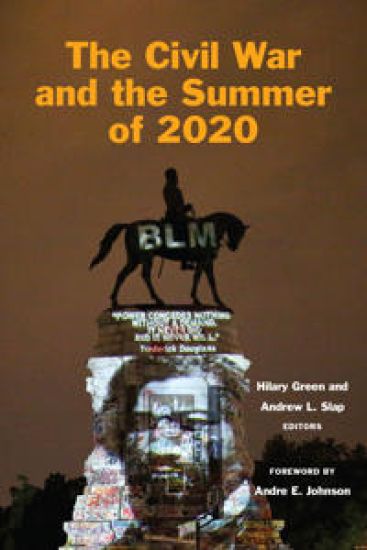
The Civil War and the Summer of 2020

The Civil War and the Summer of 2020

Andre E. Johnson

FORDHAM UNIVERSITY PRESS
2024
sidottu
Investigates how Americans have remembered violence and resistance since the Civil War, including Confederate monuments, historical markers, college classrooms, and history books. George Floyd's murder in the summer of 2020 sparked a national reckoning for the United States that had been 400 years in the making. Millions of Americans took to the streets to protest both the murder and the centuries of systemic racism that already existed among European colonists but transformed with the arrival of the first enslaved African Americans in 1619. The violence needed to enforce that systemic racism for all those years, from the slave driver's whip to state-sponsored police brutality, attracted the immediate attention of the protesters. The resistance of the protesters echoed generations of African Americans' resisting the violence and oppression of white supremacy. Their opposition to violence soon spread to other aspects of systemic racism, including a cultural hegemony built on and reinforcing white supremacy. At the heart of this white supremacist culture is the memory of the Civil War era, when in 1861 8 million white Americans revolted against their country to try to safeguard the enslavement of 4 million African Americans. The volume has three interconnected sections that build on one another. The first section, "Violence," explores systemic racism in the Civil War era and now with essays on slavery, policing, and slave patrols. The second section, titled "Resistance," shows how African Americans resisted violence for the past two centuries, with essays discussing matters including self-emancipation and African American soldiers. The final section, "Memory," investigates how Americans have remembered this violence and resistance since the Civil War, including Confederate monuments and historical markers. This volume is intended for nonhistorians interested in showing the intertwined and longstanding connections between systemic racism, violence, resistance, and the memory of the Civil War era in the United States that finally exploded in the summer of 2020.
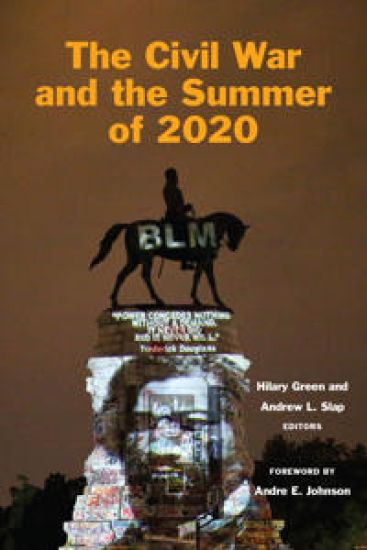
The Civil War and the Summer of 2020

The Civil War and the Summer of 2020

Andre E. Johnson

FORDHAM UNIVERSITY PRESS
2024
pokkari
Investigates how Americans have remembered violence and resistance since the Civil War, including Confederate monuments, historical markers, college classrooms, and history books. George Floyd's murder in the summer of 2020 sparked a national reckoning for the United States that had been 400 years in the making. Millions of Americans took to the streets to protest both the murder and the centuries of systemic racism that already existed among European colonists but transformed with the arrival of the first enslaved African Americans in 1619. The violence needed to enforce that systemic racism for all those years, from the slave driver's whip to state-sponsored police brutality, attracted the immediate attention of the protesters. The resistance of the protesters echoed generations of African Americans' resisting the violence and oppression of white supremacy. Their opposition to violence soon spread to other aspects of systemic racism, including a cultural hegemony built on and reinforcing white supremacy. At the heart of this white supremacist culture is the memory of the Civil War era, when in 1861 8 million white Americans revolted against their country to try to safeguard the enslavement of 4 million African Americans. The volume has three interconnected sections that build on one another. The first section, "Violence," explores systemic racism in the Civil War era and now with essays on slavery, policing, and slave patrols. The second section, titled "Resistance," shows how African Americans resisted violence for the past two centuries, with essays discussing matters including self-emancipation and African American soldiers. The final section, "Memory," investigates how Americans have remembered this violence and resistance since the Civil War, including Confederate monuments and historical markers. This volume is intended for nonhistorians interested in showing the intertwined and longstanding connections between systemic racism, violence, resistance, and the memory of the Civil War era in the United States that finally exploded in the summer of 2020.
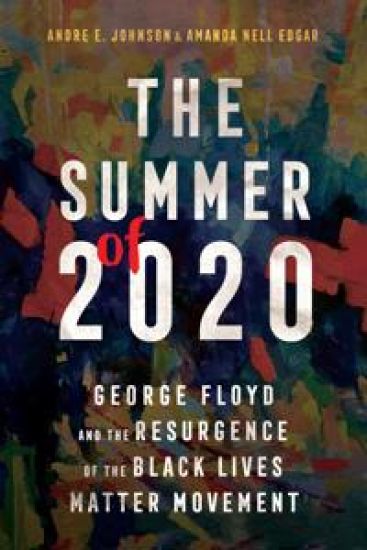
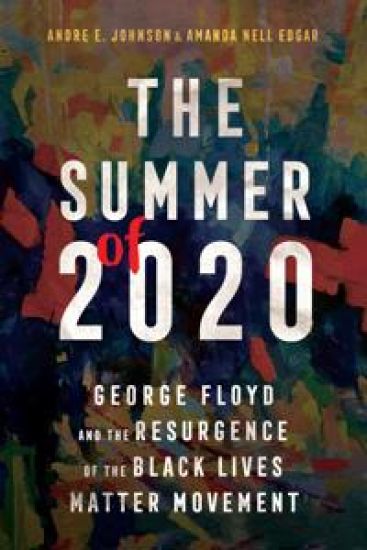
The Summer of 2020

The Summer of 2020

Andre E. Johnson; Amanda Nell Edgar

UNIVERSITY PRESS OF MISSISSIPPI
2024
pokkari
In the wake of George Floyd’s murder in May 2020, protests broke out in Minneapolis and quickly spread across the United States. National unrest led to the resurgence of the Black Lives Matter movement and added to calls for justice in other American cities, including Los Angeles, Atlanta, Tulsa, and Louisville, Kentucky, where only months earlier, Breonna Taylor was killed by police. By some estimates, BLM protesters numbered between fifteen million and twenty-six million in the US and abroad. The Summer of 2020: George Floyd and the Resurgence of the Black Lives Matter Movement spotlights the perspectives of individual participants who contributed to the movement’s revived impact and global success throughout 2020. Authors Andre E. Johnson and Amanda Nell Edgar interview the movement’s activists—from seasoned organizers to first-time protesters—to discover what Black Lives Matter meant to those who participated in one of America’s largest social movements. Johnson and Edgar’s fieldwork reveals the complexity of taking a stand, especially in the face of increasing threats from white supremacist groups, continuing police aggression, and a persisting global pandemic. In a time with unprecedented levels of political polarization, the wave of support for the Black Lives Matter movement powerfully disrupted that expectation. Without a clear sense of what led to the surge in support for Black Lives Matter, racial justice advocates are left ill-equipped to maintain and harness the political momentum necessary to achieve lasting equity and justice. In delving beyond a conventional focus on leaders and figureheads, this volume bolsters social movement research by accounting for the increasing numbers of Black Lives Matter supporters and demonstrators and the lasting power of their message.
The Summer of 2020

The Summer of 2020

Andre E. Johnson; Amanda Nell Edgar

UNIVERSITY PRESS OF MISSISSIPPI
2024
sidottu
In the wake of George Floyd’s murder in May 2020, protests broke out in Minneapolis and quickly spread across the United States. National unrest led to the resurgence of the Black Lives Matter movement and added to calls for justice in other American cities, including Los Angeles, Atlanta, Tulsa, and Louisville, Kentucky, where only months earlier, Breonna Taylor was killed by police. By some estimates, BLM protesters numbered between fifteen million and twenty-six million in the US and abroad. The Summer of 2020: George Floyd and the Resurgence of the Black Lives Matter Movement spotlights the perspectives of individual participants who contributed to the movement’s revived impact and global success throughout 2020. Authors Andre E. Johnson and Amanda Nell Edgar interview the movement’s activists—from seasoned organizers to first-time protesters—to discover what Black Lives Matter meant to those who participated in one of America’s largest social movements. Johnson and Edgar’s fieldwork reveals the complexity of taking a stand, especially in the face of increasing threats from white supremacist groups, continuing police aggression, and a persisting global pandemic. In a time with unprecedented levels of political polarization, the wave of support for the Black Lives Matter movement powerfully disrupted that expectation. Without a clear sense of what led to the surge in support for Black Lives Matter, racial justice advocates are left ill-equipped to maintain and harness the political momentum necessary to achieve lasting equity and justice. In delving beyond a conventional focus on leaders and figureheads, this volume bolsters social movement research by accounting for the increasing numbers of Black Lives Matter supporters and demonstrators and the lasting power of their message.
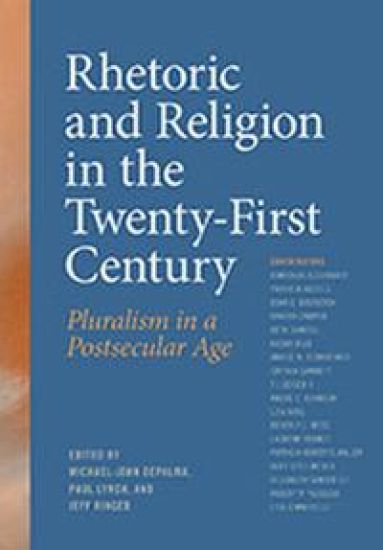
Rhetoric and Religion in the Twenty-First Century

Rhetoric and Religion in the Twenty-First Century

Jonathan Alexander; Patricia Bizzell; John Brereton; Martin Camper; Beth Daniell; Rasha Diab; Janice W. Fernheimer; Cynthia Gannett; TJ Geiger; Andre E. Johnson; Lisa King; Beverly Moss; Laurent Pernot; Patricia Roberts-Miller; Kurt Spellmeyer; Elizabeth Vander Lei; Robert P. Yagelski; Lisa Zimmerelli

SOUTHERN ILLINOIS UNIVERSITY PRESS
2023
nidottu
Expanding the scope of religious rhetoric/B> Over the past twenty-five years, the intersection of rhetoric and religion has become one of the most dynamic areas of inquiry in rhetoric and writing studies. One of few volumes to include multiple traditions in one conversation, Rhetoric and Religion in the Twenty-First Century engages with religious discourses and issues that continue to shape public life in the United States. This collection of essays centralizes the study of religious persuasion and pluralism, considers religion’s place in U. S. society, and expands the study of rhetoric and religion in generative ways. The volume showcases a wide range of religious traditions and challenges the very concepts of rhetoric and religion. The book’s eight essays explore African American, Buddhist, Christian, Indigenous, Islamic, and Jewish rhetoric and discuss the intersection of religion with feminism, race, and queer rhetoric—along with offering reflections on how to approach religious traditions through research and teaching. In addition, the volume includes seven short interludes in which some of the field’s most accomplished scholars recount their experiences engaging with religious rhetorics and invite readers to engage these exigent lines of inquiry. By featuring these diverse religious perspectives, Rhetoric and Religion in the Twenty-First Century complicates the field’s emphasis on Western, Hellenistic, and Christian ideologies. The collection also offers teachers of writing and rhetoric a range of valuable approaches for preparing today’s students for public citizenship in our religiously diverse global context.
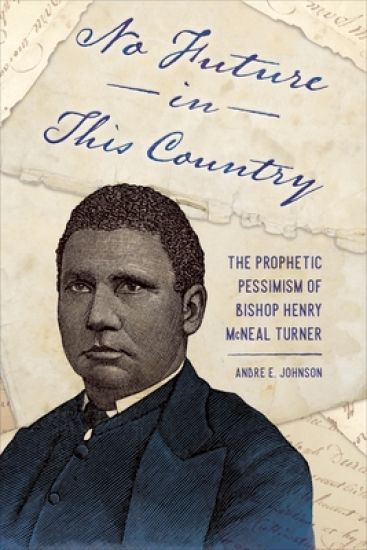
No Future in This Country

No Future in This Country

Andre E. Johnson

University Press of Mississippi
2020
nidottu
No Future in This Country: The Prophetic Pessimism of Bishop Henry McNeal Turner is a history of the career of Bishop Henry McNeal Turner (1834-1915), specifically focusing on his work from 1896 to 1915. Drawing on the copious amount of material from Turner's speeches, editorial, and open and private letters, Andre E. Johnson tells a story of how Turner provided rhetorical leadership during a period in which America defaulted on many of the rights and privileges gained for African Americans during Reconstruction. Unlike many of his contemporaries during this period, Turner did not opt to proclaim an optimistic view of race relations. Instead, Johnson argues that Turner adopted a prophetic persona of a pessimistic prophet who not only spoke truth to power but, in so doing, also challenged and pushed African Americans to believe in themselves. At this time in his life, Turner had no confidence in American institutions or that the American people would live up to the promises outlined in their sacred documents. While he argued that emigration was the only way for African Americans to retain their ""personhood"" status, he also would come to believe that African Americans would never emigrate to Africa. He argued that many African Americans were so oppressed and so stripped of agency because they were surrounded by continued negative assessments of their personhood that belief in emigration was not possible. Turner's position limited his rhetorical options, but by adopting a pessimistic prophetic voice that bore witness to the atrocities African Americans faced, Turner found space for his oratory, which reflected itself within the lament tradition of prophecy.
No Future in This Country

No Future in This Country

Andre E. Johnson

University Press of Mississippi
2020
sidottu
No Future in This Country: The Prophetic Pessimism of Bishop Henry McNeal Turner is a history of the career of Bishop Henry McNeal Turner (1834-1915), specifically focusing on his work from 1896 to 1915. Drawing on the copious amount of material from Turner's speeches, editorial, and open and private letters, Andre E. Johnson tells a story of how Turner provided rhetorical leadership during a period in which America defaulted on many of the rights and privileges gained for African Americans during Reconstruction. Unlike many of his contemporaries during this period, Turner did not opt to proclaim an optimistic view of race relations. Instead, Johnson argues that Turner adopted a prophetic persona of a pessimistic prophet who not only spoke truth to power but, in so doing, also challenged and pushed African Americans to believe in themselves. At this time in his life, Turner had no confidence in American institutions or that the American people would live up to the promises outlined in their sacred documents. While he argued that emigration was the only way for African Americans to retain their "personhood" status, he also would come to believe that African Americans would never emigrate to Africa. He argued that many African Americans were so oppressed and so stripped of agency because they were surrounded by continued negative assessments of their personhood that belief in emigration was not possible. Turner's position limited his rhetorical options, but by adopting a pessimistic prophetic voice that bore witness to the atrocities African Americans faced, Turner found space for his oratory, which reflected itself within the lament tradition of prophecy.
The Struggle over Black Lives Matter and All Lives Matter

The Struggle over Black Lives Matter and All Lives Matter

Amanda Nell Edgar; Andre E. Johnson

Lexington Books
2020
nidottu
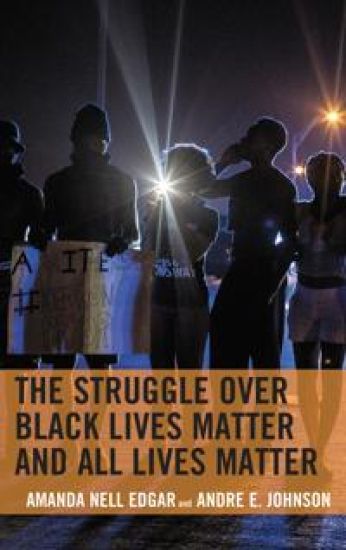
In The Struggle over Black Lives Matter and All Lives Matter, Amanda Nell Edgar and Andre E. Johnson examine the surprisingly complex relationship between Black Lives Matter and All Lives Matter as it unfolds on social media and in offline interpersonal relationships. Exploring cultural influences like family history, fear, religion, postracialism, and workplace pressure, Edgar and Johnson trace the meanings of these movements from the perspectives of ordinary participants. The Struggle over Black Lives Matter and All Lives Matter highlights the motivations for investing in social movements and countermovements to show how history, both remembered and misremembered, bubbles beneath the surface of online social justice campaigns. Through participation in these contemporary movements, online social media users enact continuations of American history through a lens of their own past experiences. This book ties together online and offline, national and local, and personal and political to understand one of the defining social justice struggles of our time.
The Struggle over Black Lives Matter and All Lives Matter

The Struggle over Black Lives Matter and All Lives Matter

Amanda Nell Edgar; Andre E. Johnson

Lexington Books
2018
sidottu
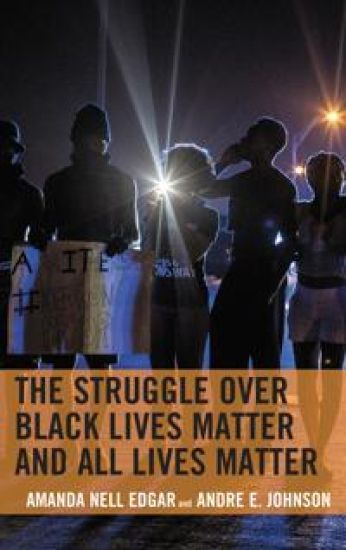
In The Struggle over Black Lives Matter and All Lives Matter, Amanda Nell Edgar and Andre E. Johnson examine the surprisingly complex relationship between Black Lives Matter and All Lives Matter as it unfolds on social media and in offline interpersonal relationships. Exploring cultural influences like family history, fear, religion, postracialism, and workplace pressure, Edgar and Johnson trace the meanings of these movements from the perspectives of ordinary participants. The Struggle over Black Lives Matter and All Lives Matter highlights the motivations for investing in social movements and countermovements to show how history, both remembered and misremembered, bubbles beneath the surface of online social justice campaigns. Through participation in these contemporary movements, online social media users enact continuations of American history through a lens of their own past experiences. This book ties together online and offline, national and local, and personal and political to understand one of the defining social justice struggles of our time.
The Forgotten Prophet

The Forgotten Prophet

Andre E. Johnson

Lexington Books
2014
nidottu
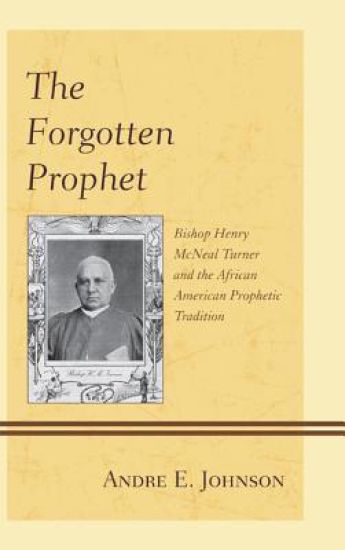
The Forgotten Prophet: Bishop Henry McNeal Turner and the African American Prophetic Tradition, by Andre E. Johnson, is a study of the prophetic rhetoric of nineteenth century African Methodist Episcopal Church bishop Henry McNeal Turner. By locating Turner within the African American prophetic tradition, Johnson examines how Bishop Turner adopted a prophetic persona. As one of America’s earliest black activists and social reformers, Bishop Turner made an indelible mark in American history and left behind an enduring social influence through his speeches, writings, and prophetic addresses. This text offers a definition of prophetic rhetoric and examines the existing genres of prophetic discourse, suggesting that there are other types of prophetic rhetorics, especially within the African American prophetic tradition. In examining these modes of discourses from 1866-1895, this study further examines how Turner’s rhetoric shifted over time. It examines how Turner found a voice to article not only his views and positions, but also in the prophetic tradition, the views of people he claimed to represent. The Forgotten Prophet is a significant contribution to the study of Bishop Turner and the African American prophetic tradition.
The Forgotten Prophet

The Forgotten Prophet

Andre E. Johnson

Lexington Books
2012
sidottu
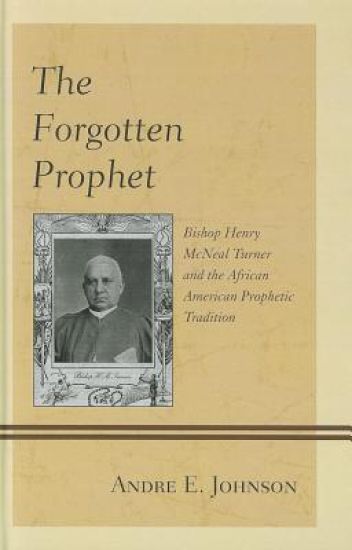
The Forgotten Prophet: Bishop Henry McNeal Turner and the African American Prophetic Tradition, by Andre E. Johnson, is a study of the prophetic rhetoric of nineteenth century African Methodist Episcopal Church bishop Henry McNeal Turner. By locating Turner within the African American prophetic tradition, Johnson examines how Bishop Turner adopted a prophetic persona. As one of America’s earliest black activists and social reformers, Bishop Turner made an indelible mark in American history and left behind an enduring social influence through his speeches, writings, and prophetic addresses. This text offers a definition of prophetic rhetoric and examines the existing genres of prophetic discourse, suggesting that there are other types of prophetic rhetorics, especially within the African American prophetic tradition. In examining these modes of discourses from 1866-1895, this study further examines how Turner’s rhetoric shifted over time. It examines how Turner found a voice to article not only his views and positions, but also in the prophetic tradition, the views of people he claimed to represent. The Forgotten Prophet is a significant contribution to the study of Bishop Turner and the African American prophetic tradition.