Kirjojen hintavertailu – 12 903 725 kirjaa ja 27 kauppaa

Kirjailija

Andrea Krizsán

Kirjat ja teokset yhdessä paikassa: 4 kirjaa, julkaisuja vuosilta 2015–2021, suosituimpiin kuuluu Stopping Rape. Vertaile teosten hintoja ja tarkista saatavuus suomalaisista kirjakaupoista.

4 kirjaa

Kirjojen julkaisuvuodet: 2015–2021.

Stopping Rape

Stopping Rape

Sylvia Walby; Philippa Olive; Jude Towers; Brian Francis; Sofia Strid; Andrea Krizsán; Emanuela Lombardo; Corinne May-Chahal; Suzanne Franzway; David Sugarman; Bina Agarwal; Jo Armstrong

Policy Press
2015
nidottu
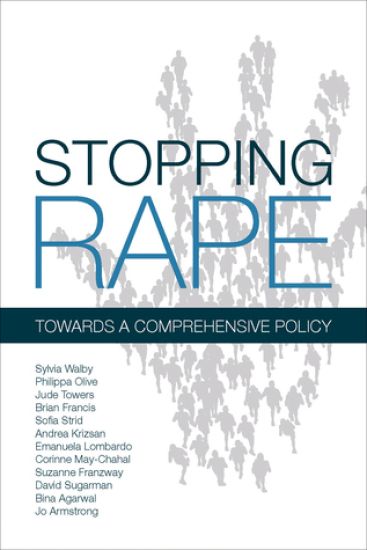
Available Open Access under CC-BY-NC licence. The need to stop rape is pressing and, since it is the outcome of a wide range of practices and institutions in society, so too must the policies be to stop it This important book offers a comprehensive guide to the international policies developed to stop rape , together with case study examples on how they work. The book engages with the law and criminal justice system, health services, specialised services for victim-survivors, educational and cultural interventions, as well as how they can best be coordinated. It is informed by theory and evidence drawn from scholarship and practice from around the world. The book will be of interest to a global readership of students, practitioners and policy makers as well as anyone who wants to know how rape can be stopped.
Politicizing Gender and Democracy in the Context of the Istanbul Convention

Politicizing Gender and Democracy in the Context of the Istanbul Convention

Andrea Krizsán; Conny Roggeband

Springer Nature Switzerland AG
2021
sidottu
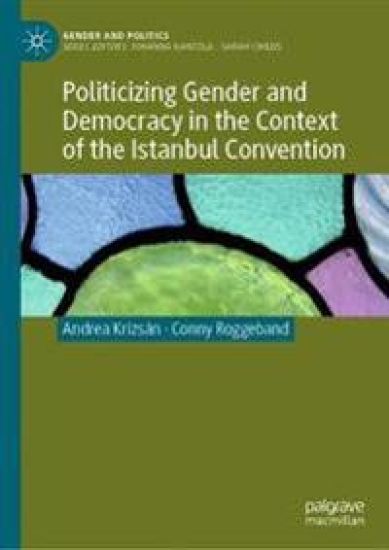
This book examines opposition to the Council of Europe’s Istanbul Convention and its consequences for the politics of violence against women in four countries of Central and Eastern Europe. Krizsán and Roggeband discuss why and how successful anti-gender mobilizations managed to obstruct ratification of the Convention or push for withdrawal from it. They show how resistance to the Convention significantly redraws debates on violence against women and has consequences for policies, women’s rights advocacy, and gender-equal democracy.
The Gender Politics of Domestic Violence

The Gender Politics of Domestic Violence

Andrea Krizsán; Conny Roggeband

Routledge
2019
nidottu
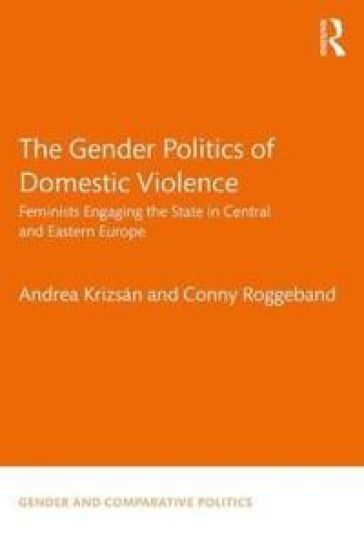
What are the factors that shape domestic violence policy change and how are variable gendered meanings produced in these policies? How and when can feminists influence policy making? What conditions and policy mechanisms lead to progressive change and which ones block it or lead to reversal? The Gender Politics of Domestic Violence analyzes the emergence of gender equality sensitive domestic violence policy reforms in Central and Eastern Europe (CEE). Tracing policy developments in Eastern Europe from the beginning of 2000s, when domestic violence first emerged on policy agendas, until 2015, Andrea Krizsán and Conny Roggeband look into the contestation that takes place between women’s movements, states and actors opposing gender equality to explain the differences in gender equality sensitive policy outputs across the region. They point to regionally specific patterns of feminist engagement with the state in which coalition-building between women’s organizations and establishing alliances with different state actors were critical for achieving gendered policy progress. In addition, they demonstrate how discursive contexts shaped by democratization frames and opposition to gender equality, led to differences in the politicization of gender equality, making gender friendly reforms more feasible in some countries than others.
The Gender Politics of Domestic Violence

The Gender Politics of Domestic Violence

Andrea Krizsán; Conny Roggeband

Routledge
2017
sidottu
What are the factors that shape domestic violence policy change and how are variable gendered meanings produced in these policies? How and when can feminists influence policy making? What conditions and policy mechanisms lead to progressive change and which ones block it or lead to reversal? The Gender Politics of Domestic Violence analyzes the emergence of gender equality sensitive domestic violence policy reforms in Central and Eastern Europe (CEE). Tracing policy developments in Eastern Europe from the beginning of 2000s, when domestic violence first emerged on policy agendas, until 2015, Andrea Krizsán and Conny Roggeband look into the contestation that takes place between women’s movements, states and actors opposing gender equality to explain the differences in gender equality sensitive policy outputs across the region. They point to regionally specific patterns of feminist engagement with the state in which coalition-building between women’s organizations and establishing alliances with different state actors were critical for achieving gendered policy progress. In addition, they demonstrate how discursive contexts shaped by democratization frames and opposition to gender equality, led to differences in the politicization of gender equality, making gender friendly reforms more feasible in some countries than others.